
Cold Pressed Dog Food Machine Manufacturer: A Guide to Making the Right Choice
2026-08-03
The demand for cold pressed dog food is on the rise, and for good reason. This gentle processing method preserves vital nutrients and natural flavors, offering a healthier diet for our canine companions. However, to produce such high-quality food, you need a reliable cold pressed dog food machine. Choosing the right manufacturer can be daunting, especially with so many options available. That’s where MINGDE comes in—a brand that combines expertise, innovation, and a commitment to quality. In this guide, we’ll walk you through the essential factors to consider, helping you make an informed decision for your pet food production needs.
What Sets Cold Pressed Dog Food Apart from the Rest
Cold pressed dog food stands out because of its unique manufacturing process. Unlike traditional kibble that’s extruded at high temperatures, cold pressing uses low heat and gentle pressure to shape the ingredients. This method preserves the natural nutrients, enzymes, and flavors that are often destroyed by the intense heat of conventional production. The result is a dense, minimally processed pellet that retains more of the wholesome goodness from the raw materials.
Another key difference is the ingredient integrity. Since the process doesn’t rely on extreme temperatures to bind the food together, it often uses high‑quality meat and superfoods without needing excessive starches or synthetic binders. The gentle approach helps maintain the structure of proteins, vitamins, and beneficial fats, making it closer to a raw or lightly cooked diet in terms of nutritional value. Many pet owners notice their dogs seem more satisfied, with smaller, firmer stools—a sign of better digestibility and absorption.
Finally, cold pressed food typically avoids the hard, abrasive texture of some extruded kibbles. The pieces are less dense and break apart easily, which can be easier on older dogs or those with dental issues. Plus, because the natural aromas are preserved, even fussy eaters often find it more appealing. It’s a convenient way to offer a diet that’s as close to nature as possible without the hassle of raw feeding.
Matching Machine Capabilities to Your Production Goals
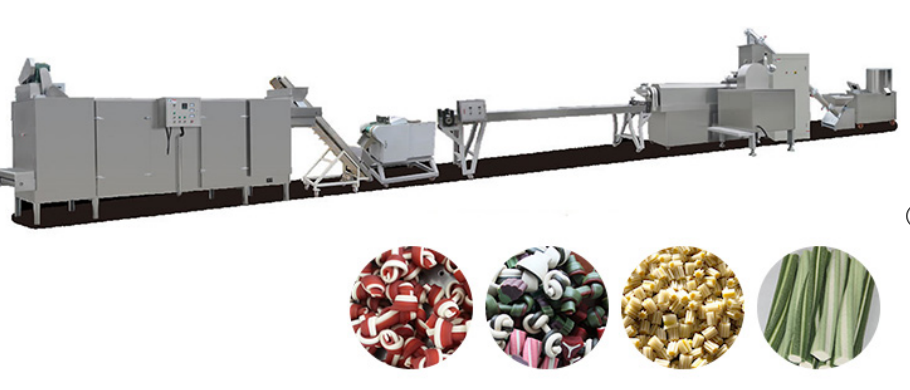
Selecting the right machine is about more than just specs—it's about how those specs translate into real-world output. Start by mapping your daily, weekly, or seasonal production targets against the machine's rated capacity, factoring in typical downtime for maintenance, changeovers, and operator breaks. A machine that can theoretically hit your numbers but runs constantly at its limit leaves no room for unexpected surges or equipment hiccups, which can quietly erode your overall efficiency.
Consider the complexity and variety of your product line. A highly specialized machine may churn out one item at lightning speed but become a bottleneck if you frequently switch between formats or materials. Conversely, flexible systems with quick-change tooling might sacrifice a bit of raw speed but keep the line moving when orders shift. Look beyond cycle times and into changeover times—a few seconds saved per switch can compound into hours over a month, directly impacting your ability to meet diverse customer demands without bloating inventory.
Finally, think about the skill level of your team and the support ecosystem. The most advanced machine on paper can underperform if operators struggle to dial it in or if spare parts are perpetually out of reach. When capabilities align with your crew's expertise and the manufacturer's service response aligns with your operational hours, you create a partnership that sustains output not just in the first month, but years down the road.
Digging into a Manufacturer’s Track Record and Expertise
Evaluating a manufacturer's track record goes beyond simply checking how many years they have been in business. It involves a careful look at their consistency in delivering quality products, meeting deadlines, and handling challenges in past projects. A seasoned manufacturer usually has a well-documented portfolio and can provide references or case studies that demonstrate their ability to adapt to different requirements and production scales. This deeper investigation helps separate truly reliable partners from those who just claim to have extensive experience.
Scrutinizing past work allows you to gauge their expertise in specific materials, processes, and quality controls. For instance, if you need precision machining for aerospace components, you'd want to see evidence of similar projects, including details about tolerance levels achieved and certifications maintained. It's also useful to look at how they've responded to errors or unexpected issues — a competent manufacturer learns from setbacks and continuously improves its processes. This attention to operational history provides a realistic preview of what to expect in your own collaboration.
Beyond technical capability, a manufacturer's expertise often shows in their problem-solving approach and industry knowledge. Engaged manufacturers stay current with evolving standards, invest in staff training, and can offer valuable design or material suggestions that improve the final product. Conversations with their engineering team or a tour of their facilities can reveal whether their know-how runs deep or is just superficial. Ultimately, digging into these aspects gives you confidence that they can not only meet your current needs but also grow with your future requirements.
Tailored Solutions: When Off-the-Shelf Isn’t Enough
Many businesses find that ready-made software or services simply can't keep pace with their unique workflows. What works for one company might feel restrictive for another, forcing teams to compromise their processes or pile on costly customizations that never quite fit.
We take a different approach: every solution starts with a blank slate shaped by your actual needs. By blending deep industry insight with flexible engineering, we build tools that integrate seamlessly into your operations—enhancing what you already do well instead of asking you to change how you work.
Whether it's automating a niche supply chain step or designing a client-facing portal that mirrors your brand’s voice, our tailored systems grow with you. The result isn't just a patch for today's gap; it's a durable foundation that adapts as your goals evolve.
The Real Cost of Ownership Beyond the Purchase Price
When you sign the papers and drive off the lot, the sticker price is just the beginning. Over time, the less obvious expenses—insurance premiums that fluctuate with your driving record, routine maintenance like oil changes and brake pads, and the gradual depreciation that silently eats away at resale value—add up in ways you might not expect. It's the cumulative drip of fuel costs, the occasional parking ticket, and the surprise repair bill that truly define what a vehicle costs you.
Beyond the predictable line items, there's a deeper layer of ownership cost that resists easy calculation. How you drive, where you park, and even your local climate can accelerate wear and tear in subtle ways. A car kept in a coastal city might face rust issues years before an identical model in a dry inland area. Meanwhile, the convenience of that extended warranty or the premium for a high-performance tire might seem minor at the time, but over a decade of ownership, these choices compound, reshaping the financial equation far from the initial purchase.
And then there's the psychological toll—the constant vigilance over dings and scratches, the anxiety of an aging transmission, the mental math of whether a repair is worth it. This cost doesn't show up on a spreadsheet, but it wears on you. When you finally sell or trade in, the gap between what you paid and what you get back is never just about market value; it's the sum of all the little sacrifices and unexpected outlays along the way.
Building a Partnership That Lasts Beyond the Sale
A transaction might end once the invoice is paid, but a genuine connection thrives long after. The real work begins when we stop seeing customers as numbers and start treating them as collaborators. It’s about showing up not just with a product, but with curiosity—asking what keeps them up at night, celebrating their wins, and tweaking our approach as their needs evolve. This shift from vendor to ally doesn’t happen overnight, but it’s the only way to build something that doesn’t crumble the moment a competitor offers a lower price.
Trust isn’t built through scheduled check-ins or quarterly reviews. It’s stitched together in the unplanned moments—returning a call on a Sunday because you know they’re launching, sending a handwritten note when you spot an article they’d find useful, admitting when you’ve messed up and fixing it before they ask. These small, consistent acts compound into something bigger than any contract. When clients feel heard and valued without an agenda attached, they stop being clients and start being partners. And partners don’t leave for a 5% discount.
Lasting partnerships thrive on mutual growth. Instead of merely delivering what’s been asked, look for ways to stretch their vision—share insights from your side of the table, connect them with someone who can fill a gap you can’t, and be willing to grow alongside their ambitions. A partnership that endures is one where both sides feel slightly uncomfortable, pushing past what’s comfortable into what’s possible. It’s in that shared stretch that loyalty takes root, making the sale just the starting point of a much longer journey.
FAQ
It's a piece of equipment that presses ingredients together at low temperatures, usually under 70°C, using a gentle extrusion process. This preserves more natural nutrients and flavors compared to high-heat methods. The machine combines raw materials—like meats, vegetables, and oils—into a dough, then forces it through a die to form nuggets, which are cut to size and dried.
Cold pressing keeps the ingredients' nutritional integrity intact because it avoids the high heat that can destroy vitamins and proteins. Many dogs find it easier to digest, and it often doesn't swell in the stomach, reducing bloat risk. Plus, the lower processing temperature allows for higher inclusions of fresh meats and superfoods, resulting in a more natural, palatable product.
Look for precise temperature control, robust build quality with stainless steel parts, and a reliable pressing system. The die should be easy to change for different shapes and sizes. Also check the mixing mechanism—it needs to evenly blend the ingredients without heating them prematurely. Consider energy efficiency and the ease of cleaning, as these affect daily operations.
Start by estimating your current and projected monthly volume in kilograms. Factor in growth plans for at least two years. A small-scale startup might only need 50–100 kg per hour, while a mid-size operation could require 300–500 kg/h. Discuss your output goals with manufacturers—they can advise on models that match your scale without overinvesting.
Inquire about the origin of key components, like the motor and bearings. Ask for references from similar businesses and details about their testing process. Don't hesitate to question their lead times, installation support, and training packages. Also confirm what's included in the base price—some quote a low amount but charge extra for dies, cutters, or shipping.
Yes, food safety is critical. Look for machines built to comply with CE or equivalent standards, with parts that meet FDA or EU food-contact regulations. If you're exporting, ask about the machine's certification for your target market. A reputable manufacturer will provide documentation and might also have ISO quality management certifications.
Ask directly about the warranty length and what it includes—parts, labor, or both. Check if they have local service partners or offer remote diagnostics. A good indicator is their response time to queries; send a couple of pre-sales questions to gauge this. Also look into their spare parts availability—long waits can halt production, so nearby stock is a big plus.
Conclusion
Cold pressed dog food stands out because it retains more nutrients and natural flavors by using low temperatures during production. This gentle process preserves enzymes and vitamins that are often destroyed in traditional extrusion, making it a healthier choice for pets. When choosing a manufacturer, you need to examine how their machines maintain consistent pressure and temperature control, as even small fluctuations can compromise the final kibble quality. Look beyond generic claims and ask for detailed breakdowns of their technology—how they manage friction, cooling, and die design—because these factors directly affect digestibility and shelf life. A supplier with deep specialization in cold pressing will often have proprietary tweaks that improve oil retention and texture, which generic equipment makers simply can’t replicate.
Beyond the machine itself, the real cost of ownership includes maintenance, spare parts availability, and energy efficiency over years of operation. A manufacturer’s track record matters enormously: real-world case studies, client longevity, and willingness to share performance data reveal more than glossy brochures. If your production goals are unique, insist on customized configurations rather than settling for off-the-shelf models that force compromises. But the most overlooked aspect is the after-sale relationship—you need a partner who offers training, rapid troubleshooting, and a genuine commitment to your growth. This is not a one-time transaction; it’s a long-term collaboration where the manufacturer’s responsiveness can mean the difference between smooth scaling and costly downtime.
Contact Us
Contact Person: LILY SUN
Email: [email protected]
Tel/WhatsApp: 0086-13969103791
Website: https://www.snackfoodmachinery.com/