

How Does Material Selection Affect the Performance of Octagonal Ring Joint Gaskets?
2026-01-14
When selecting an Octagonal Ring Joint Gasket for industrial applications, the material directly influences sealing efficiency, durability, and resistance to corrosion. At our factory, we emphasize the use of high-quality metals and alloys that maintain structural integrity under high pressure and temperature variations. Our team at Ningbo Kaxite Sealing Materials Co., Ltd. has observed that improperly chosen materials can lead to premature gasket failure, leakage, and increased maintenance costs. Therefore, our material selection process prioritizes mechanical strength, chemical resistance, and long-term performance to ensure reliability in demanding operations.
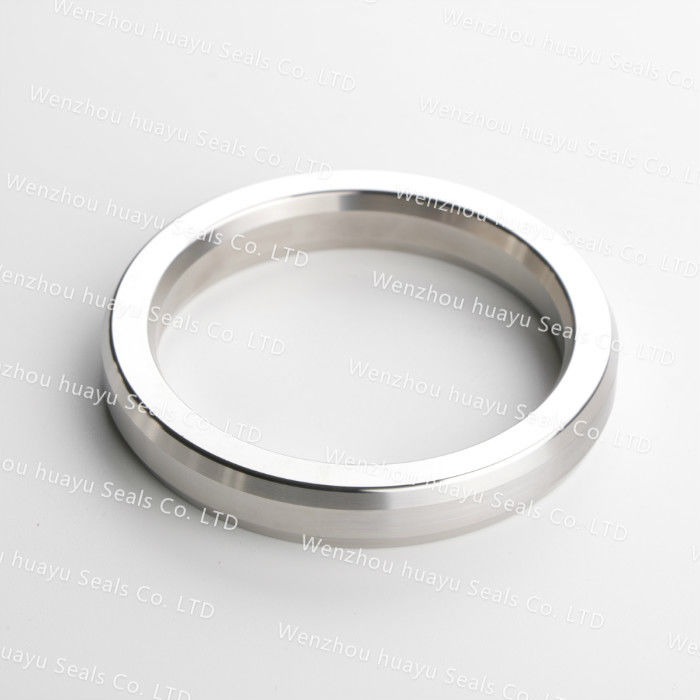
How do different metals affect the mechanical performance of Octagonal Ring Joint Gaskets?
Octagonal Ring Joint Gaskets are commonly manufactured from stainless steel, alloy steel, and nickel-based alloys. Our stainless steel gaskets offer excellent resistance to oxidation, making them ideal for standard industrial applications. Alloy steel variants provide higher tensile strength, which is crucial for high-pressure systems. Nickel-based alloys are preferred in corrosive environments, especially in chemical processing industries. Our factory tests each material for hardness, tensile strength, and elongation to match specific application requirements. By understanding these mechanical properties, our clients can select gaskets that withstand operational stress without deformation.
| Material | Hardness (HRC) | Tensile Strength (MPa) | Temperature Range (°C) |
| Stainless Steel 316 | 25-28 | 520-580 | -50 to 500 |
| Alloy Steel 4140 | 28-32 | 650-700 | -20 to 600 |
| Inconel 625 | 30-35 | 760-820 | -50 to 700 |
Why does chemical compatibility matter when selecting Octagonal Ring Joint Gaskets?
Our experience at Ningbo Kaxite Sealing Materials Co., Ltd. demonstrates that chemical resistance is crucial for ensuring the longevity of Octagonal Ring Joint Gaskets. Exposure to acids, alkalis, or solvents can degrade certain metals, compromising the seal. Our factory provides gaskets made from corrosion-resistant alloys for applications in oil and gas, petrochemical, and chemical processing plants. By selecting a material compatible with the operational medium, our customers minimize the risk of leaks, downtime, and costly repairs. Our quality control includes chemical immersion tests to verify resistance under real-world conditions.
How do temperature and pressure influence the material selection of Octagonal Ring Joint Gaskets?
Temperature and pressure are decisive factors when choosing an Octagonal Ring Joint Gasket. Our team ensures that our products meet the specific requirements of high-pressure pipelines, boilers, and heat exchangers. Stainless steel performs reliably at moderate temperatures and pressures, whereas alloy steel maintains strength under higher pressures. In high-temperature environments exceeding 600 degrees Celsius, nickel-based alloys are recommended. Our factory simulates operational conditions to test creep, stress relaxation, and thermal expansion. By accounting for these factors, our gaskets maintain an effective seal throughout their service life.
| Material | Max Pressure (MPa) | Max Temperature (°C) | Typical Application |
| Stainless Steel 316 | 40 | 500 | Standard pipelines, water treatment |
| Alloy Steel 4140 | 70 | 600 | High-pressure hydraulic systems |
| Inconel 625 | 90 | 700 | Chemical reactors, high-temperature processes |
How does surface finish influence the sealing performance of Octagonal Ring Joint Gaskets?
Surface finish plays a significant role in gasket performance. Our Octagonal Ring Joint Gaskets are manufactured with precision machining to achieve optimal contact surfaces. A smooth, uniform finish reduces micro-gaps and ensures uniform compression, enhancing the sealing efficiency. Our factory uses advanced grinding and polishing techniques to achieve the desired surface roughness. By optimizing surface finish, our products reduce leakage risk and extend service life, ensuring that our clients experience consistent and reliable performance in critical applications.
FAQ – How Does Material Selection Affect the Performance of Octagonal Ring Joint Gaskets?
Q1: What materials are best for high-temperature applications of Octagonal Ring Joint Gaskets?
A1: Nickel-based alloys like Inconel 625 are recommended because they maintain mechanical strength and resist oxidation at temperatures up to 700°C, providing reliable sealing in heat-intensive operations.
Q2: How can chemical exposure influence the choice of gasket material?
A2: Materials must be chemically compatible with the operational medium. Alloy selection from stainless steel, alloy steel, or nickel-based options ensures resistance to acids, alkalis, and solvents, minimizing corrosion and preventing leaks.
Q3: Does the mechanical strength of the material affect gasket longevity?
A3: Yes, materials with higher tensile strength and hardness prevent deformation under pressure, which is essential for maintaining an effective seal. Our factory conducts mechanical testing to guarantee durability and consistent performance.
Conclusion
In conclusion, the selection of materials for Octagonal Ring Joint Gaskets directly affects their performance, reliability, and longevity. Our experience at Ningbo Kaxite Sealing Materials Co., Ltd. shows that attention to mechanical strength, chemical resistance, temperature tolerance, and surface finish ensures optimal sealing solutions. We encourage our clients to consult with our team to select the most suitable material for their specific applications. Contact our technical team today to request a detailed consultation or a customized quote and discover how our Octagonal Ring Joint Gaskets can enhance your operational efficiency.