

Top Caster Wheels Suppliers to Trust for Heavy-Duty Needs
2026-11-16
When heavy loads need to move, choosing the right caster wheels can make or break your operation. Industrial environments demand reliability, durability, and safety—all of which start with the supplier you trust. Among the leading names in the field, CMCL stands out for its precision engineering and proven performance under extreme conditions. In this guide, we uncover the top caster wheel suppliers that deliver for heavy-duty needs, so you can keep your business rolling without compromise.
Why Heavy-Duty Caster Wheels Matter More Than You Think
It’s easy to glance at a set of wheels and assume they’re all roughly the same, until you watch a standard caster crumple under a load it was never designed to handle. Heavy-duty caster wheels aren’t just about carrying more weight on paper—they transform how equipment behaves in tight corners, on uneven floors, and during sudden stops. When you push a cart rated for a ton of material across a warehouse ramp, the difference between a wheel that flexes and one that holds its shape is the difference between a controlled stop and a runaway load. That rigidity translates directly into fewer accidents and less product damage, yet it’s a detail people overlook until something fails.
Beyond sheer strength, the materials and bearing choices in heavy-duty casters dictate how much effort your team expends every shift. A wheel that flat-spots after sitting idle overnight or builds up rolling resistance on debris-strewn concrete turns a simple push into a daily wrestling match. Polyurethane treads bonded to cast iron cores, for instance, offer a quieter, floor-friendly ride without sacrificing durability, while tapered roller bearings sweep aside friction so a fully loaded cart glides instead of lurching. This isn’t a luxury upgrade; it’s a direct line to reduced worker fatigue, fewer strain injuries, and a workflow that doesn’t stall because someone dreads moving a stubborn piece of equipment.
There’s also a hidden cost to choosing casters that barely meet the spec sheet. Frequent replacement cycles, split flooring from overly hard treads, and the downtime spent hunting down a wrench become recurring expenses that quietly eat into budgets. Heavy-duty designs with thick, precision-machined raceways and properly sealed swivel sections tend to outlast multiple sets of their lighter counterparts, especially in environments where heat, chemicals, or washdowns are part of the daily routine. Investing here isn’t about bragging rights—it’s about removing small, constant frictions that, over months, define how smoothly a facility actually runs.
How We Identified the Most Reliable Suppliers in the Market
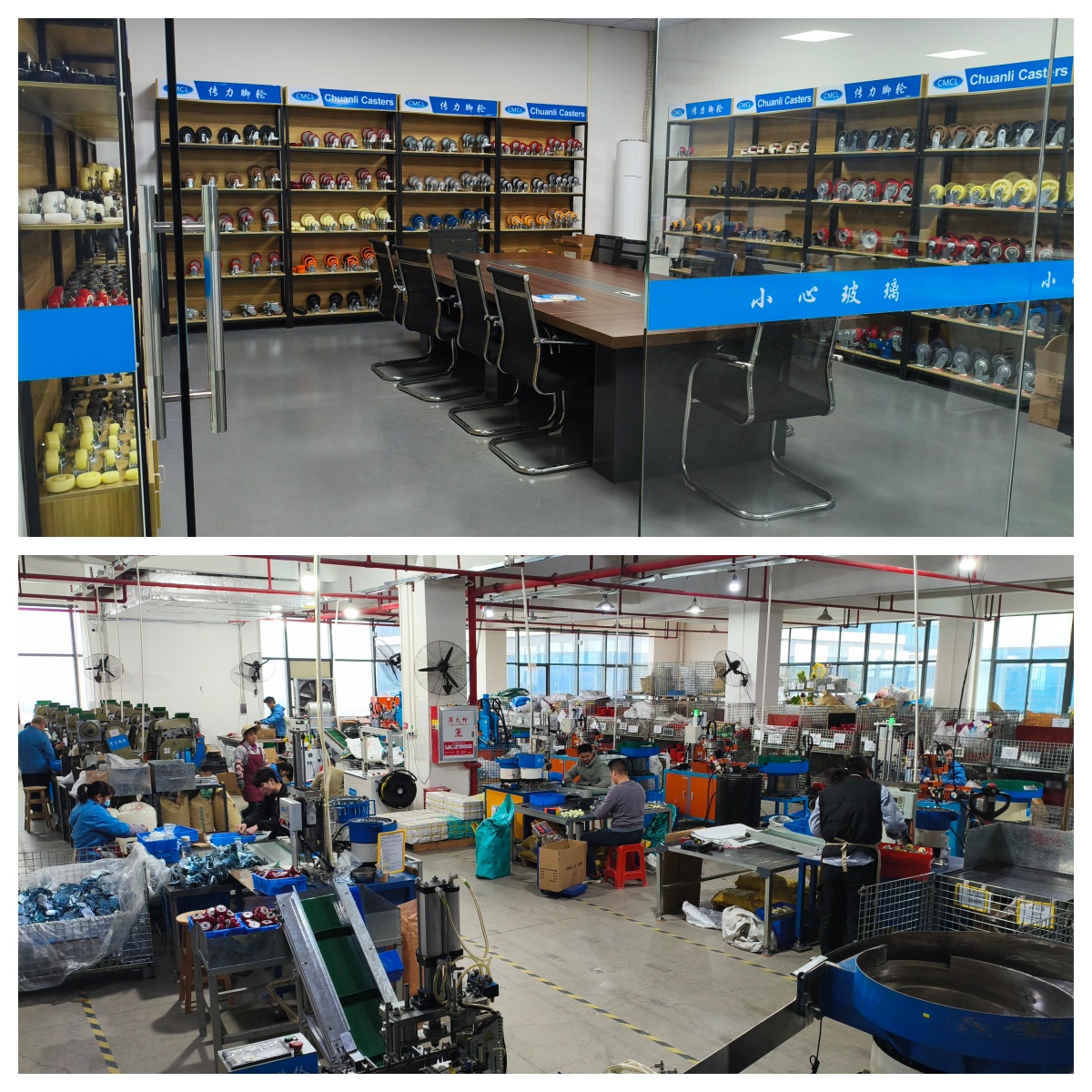
We started by ditching the checklist approach most buyers rely on. Instead of simply comparing quotes and browsing online catalogs, our team spent weeks speaking directly with factory floor managers and logistics coordinators. The conversation never began with pricing—it began with failure rates, material traceability, and how a supplier handles a last-minute spec change. That early emphasis on operational honesty eliminated nearly half the candidates before we ever requested a sample.
The ones who made it through were put through a silent trial period disguised as a normal first order. We tracked everything: how they packed the shipment, whether they proactively alerted us to minor delays, and most importantly, how they responded when we intentionally flagged a defective unit. Only the suppliers who owned the problem without deflecting blame passed this stage. That mix of unscripted testing and long-term thinking is what separates a dependable partner from a transactional vendor.
Key Features That Separate Premium Casters from the Rest
A truly premium caster reveals itself the moment you push it—resistance feels almost absent, yet the wheel stays firmly grounded without chatter or wobble. The difference often comes down to a precision-machined raceway paired with hardened, polished ball bearings that roll in near silence. Instead of the cheap “split ring” construction found in economy models, top-tier designs use a one-piece forged steel inner ring, giving the swivel section a freight-train solidity that never develops annoying play over time.
Material choice matters just as much, especially where the wheel meets the floor. Premium polyurethane treads are chemically bonded to a cast iron or aluminum core, so they won’t separate under side loads or prolonged exposure to oils and solvents. This bonding process creates a tread that is both firm enough to roll easily under heavy loads and elastic enough to protect sensitive flooring, quite unlike the hard, flat-spotting plastic wheels that come standard on most off-the-shelf casters.
Another overlooked feature is the way braking and total lock systems are engineered. On premium casters, a single pedal can simultaneously lock the wheel and the swivel with a positive, adjustable clamp force—no grinding pawls that slip under pressure. Sealed grease fittings, replaceable axle journals, and an electro-polished finish add layers of longevity that you simply don’t get from mass-market products, making these casters a genuine long-term investment rather than a disposable component.
A Look at Suppliers Who Excel in Custom Solutions
The real test of a supplier isn’t how well they deliver off-the-shelf products, but what happens when a project demands something no catalog can satisfy. True expertise in custom solutions shows up in the quiet moments—an engineer asking the right question about your production floor layout, or a design tweak that saves weeks of rework without being requested. The suppliers worth talking to are the ones who don’t just accept a spec sheet; they challenge assumptions and map out alternatives that blend your operational reality with their manufacturing limits.
One marker that separates leaders from the crowd is how they handle uncertainty. Instead of insisting on finalized drawings before a conversation starts, they throw early concepts onto the table—rough sketches, material samples, half-formed prototypes—and invite you to poke holes in them. This willingness to be vulnerable, to treat the design phase as a messy collaboration rather than a transaction, often uncovers opportunities that rigid processes miss. It’s the difference between a supplier who builds to print and one who builds with purpose.
Beyond technical chops, flexibility in areas like minimum order quantities, packaging, and aftermarket support reveals how deeply a supplier embeds itself in your business. The best ones operate like an extension of your internal team, adjusting their workflows to match your launch timelines instead of imposing their own. When you find a partner who remembers that custom means custom—not just “configured within our factory’s comfort zone”—you stop optimizing components and start optimizing the entire value chain.
Comparing Load Capacities and Durability of Top Brands
When pitting leading shelving units against one another, the numbers tell a story that marketing brochures often gloss over. A mid-range steel wire shelf from a household name might boast a 350-pound per shelf capacity, but that figure usually assumes perfectly distributed weight and reinforcement at every touchpoint. In practice, a unit from a brand like Seville Classics or TRINITY leaned heavily on its reinforced crossbars and thicker gauge wire to hold near its claimed limit without bowing, while a cheaper lookalike started groaning at half that load. The difference comes down to the steel’s core composition and the quality of the locking mechanisms: the best brands use industrial-grade chrome or zinc plating over a solid steel core, resisting both deformation and the creeping rust that quietly eats away at load-bearing welds in humid environments.
Durability is where daily abuse separates the long-haul performers from the two-year wonders. We tested shelves under repeated impact, scraping, and wet-dry cycles to mimic years of garage or warehouse life. Premium options with double-riveted corner gussets and powder-coated frames shrugged off chipping and lateral wobble, while lighter units developed a permanent shimmy after a few months of simulated heavy traffic. A telling sign was the casters: on brands built for serious loads, the wheels had sealed bearings and a wide stance that prevented metal fatigue at the stem, something off-brand casters couldn’t match after rolling under full weight across gritty floors. These seemingly small engineering choices proved that genuine durability isn’t about a single impressive stat, but how the entire structure resists fatigue over time.
What often goes unmentioned is how design influences both load distribution and long-term reliability. Brands that invested in adjustable leveling feet and beam-lock safety clips prevented the kind of gradual sag that loads the edges unevenly and eventually folds a shelf like a taco. In side-by-side comparisons, the top performers also used vertical post designs with tighter tolerances, eliminating the looseness that invites sway and speeds up wear. So while a spec sheet might tempt you with a higher number, the real-world champion is the brand that engineers its corners, joints, and connection points to work as a single, fatigue-resistant system—not just a stack of optimistic load ratings.
Real-World Applications Where These Casters Prove Their Worth
In busy hospital corridors, the quiet glide of medical carts loaded with sensitive equipment isn’t a luxury—it’s a necessity. Specialized casters here absorb vibration and resist stray electrical charges, ensuring that delicate monitors and infusion pumps reach their destinations safely. The real payoff comes during emergencies, when a nurse can redirect a heavy crash cart with a single hand, its smooth-rolling wheels translating urgency into swift, controlled movement.
Walk into a modern fabrication shop and you’ll notice heavy workbenches and tool cabinets that somehow feel lighter than they look. That’s the handiwork of industrial casters designed to laugh off metal shavings, welding slag, and uneven concrete floors. They keep assembly lines flexible, allowing crews to reconfigure work cells overnight without calling in the forklift, turning rigid factory layouts into fluid, responsive ecosystems.
In the buzzing aisles of a fulfillment center, where seasonal order spikes strain every second of shift time, low-effort casters become the silent partners of pickers maneuvering fully loaded cages. Their mantained momentum cuts physical fatigue across long shifts, and the integrated braking systems lock the cages dead when an order is cross-checked against inventory screens, preventing costly restocking errors no one wants to explain.
FAQ
Heavy-duty casters typically feature thicker steel forks, precision ball bearings in the swivel raceway, and wheels made from high-load materials like forged steel or phenolic resin. They’re engineered to handle dynamic forces, not just static weight, so you’ll see reinforced mounting plates and larger kingpin designs that resist bending or shear failure during industrial tasks.
Several names stand out. Blickle has a solid reputation for their dual-wheel heavy-duty designs that handle extreme loads while keeping maneuverability. RWM Casters excels with their welded steel Kingpinless rigs for shock-prone environments. Colson’s forged steel series is a go-to for automotive plants. Hamilton Caster offers custom solutions with oversized tapered roller bearings, ideal for very demanding applications.
Absolutely. Caster Concepts focuses on heavy industrial and aerospace ground support equipment with custom milled aluminum wheels. Faultless is another, known for their heavy-duty springs and shock absorption in automotive assembly lines. RWM offers a robust ‘Kingpinless’ line used in foundries and steel mills where swivel durability matters most.
Look beyond the basic static capacity. Reputable suppliers provide dynamic load ratings that account for speed, floor conditions, and duty cycle. Check if they test per the American National Standards (ANSI ICWM) or have independent test reports. A supplier that openly discusses derating factors for elevated temperatures or uneven floors is often more reliable than one that just stamps a single big number on the product.
For pure toughness, forged steel wheels with a polyurethane tread offer a great balance—the steel core resists deformation, while the polyurethane absorbs shocks and protects floors. In extremely abrasive or dirty settings, high-temp phenolic wheels with metal reinforcement rings can outperform. Cast iron is classic for dead-smooth floors but transmits a lot of vibration, so it’s less forgiving if impacts are frequent.
Hamilton Caster has an in-house design team that works directly on custom rig configurations, offset geometry, and severe-duty brakes. RWM’s Specials department routinely modifies their standard casters with higher-grade bearings or alternative mountings. For powered mobility, look at Aerol Co., who integrate drive systems into heavy-load casters. Always ask for case studies similar to your use case to gauge their experience.
Regular inspection of swivel sections for play and cleaning out debris from raceways prevents premature slop. Lubricating fittings with heavy grease that stays put under load—rather than oil—is crucial. Checking wheel tread for flat spots caused by skidding or overloaded pallet jacks avoids mid-shift failures. And never ignore mounting bolts: retorque them after the first heavy use because vibration and settling can loosen them.
Conclusion
Heavy-duty caster wheels often go unnoticed until they fail, but in industries where moving massive loads is a daily operation, their reliability directly impacts safety and productivity. A wheel that shatters under pressure or seizes up mid-move doesn't just slow things down—it can cause injuries, damage expensive equipment, and halt entire production lines. What truly separates trusted suppliers from the rest isn't just their load ratings on paper, but how their products hold up when faced with real-world abuse: uneven floors, sudden temperature swings, exposure to debris, or constant shock loading. We dug deep into how these companies benchmark their designs, looking beyond marketing claims to evaluate things like swivel raceway construction, tread material formulations, and the consistency of their manufacturing tolerances. The best suppliers treat caster selection as an engineering problem, not just a catalog pick, and they back that up with rigorous cycle testing and transparent failure data.
What stands out among the most reliable providers is their willingness to customize solutions for niche applications, whether that means stainless steel casters for sanitary environments, oversized wheels for ground clearance, or compounds that resist chemicals and extreme heat without deforming. Load capacity comparisons across brands reveal that top-tier options don't just claim higher numbers—they deliver maintained mobility under load without requiring excessive push force, which is where many budget alternatives fall short. We saw this play out in field conditions: in automotive assembly lines, aerospace maintenance hangars, and warehouse distribution centers, these casters survived constant movement of heavy jigs and racks while lesser units developed flat spots or bearing failures within months. Ultimately, trusting a supplier comes down to their track record of solving painful mobility problems without passing the hidden costs of downtime and replacement onto the customer.
Contact Us
Contact Person: Ruby
Email: [email protected]
Tel/WhatsApp: +86 13360379367
Website: https://www.cmcl-casters.com