

Wear Resistant Steel Plate: Essential Guide to Import and Selection
2026-04-03
In industries where durability and performance are paramount, wear resistant steel plates play a crucial role in extending equipment life and reducing maintenance costs. If you're considering importing these essential materials or selecting the right grade for your application, understanding the key factors can make all the difference. At Jiangsu Baowu New Materials, we specialize in providing high-quality solutions that meet the toughest industrial demands. Dive into this guide to discover practical insights, avoid common pitfalls, and learn how to make informed choices that enhance efficiency and sustainability. Whether you're a seasoned professional or new to the field, this article will equip you with the knowledge to optimize your projects and stay ahead in a competitive market.
Understanding the Basics of Wear Resistant Steel Plates for Importers
When you're in the business of sourcing materials, wear resistant steel plates might just be the unsung heroes you need. They're not your average steel—they're engineered to withstand abrasion, impact, and other harsh conditions that would quickly wear down regular plates. Think about industries like mining or construction, where equipment faces constant friction and heavy loads; using the right wear resistant plate can significantly extend the lifespan of machinery, reducing downtime and maintenance costs over time.
Different grades and specifications of these plates are available, each tailored for specific applications. For example, AR400 steel offers excellent resistance to abrasive wear, making it ideal for applications like truck bed liners or hoppers, while AR500 is harder and better suited for extreme impact scenarios, such as in rock-crushing equipment. As an importer, understanding these nuances helps you match the right product to your client's needs, ensuring they get the best value without overpaying for unnecessary features.
Beyond just material properties, it's crucial to consider factors like fabrication processes and international standards when importing wear resistant steel plates. Plates that are properly heat-treated and certified can provide consistent performance, which is vital in industries where safety and reliability are paramount. By staying informed about the latest advancements and market trends, you can position yourself as a knowledgeable supplier, offering solutions that truly stand out in a competitive global market.
Key Factors to Evaluate When Selecting the Right Steel Plate Grade
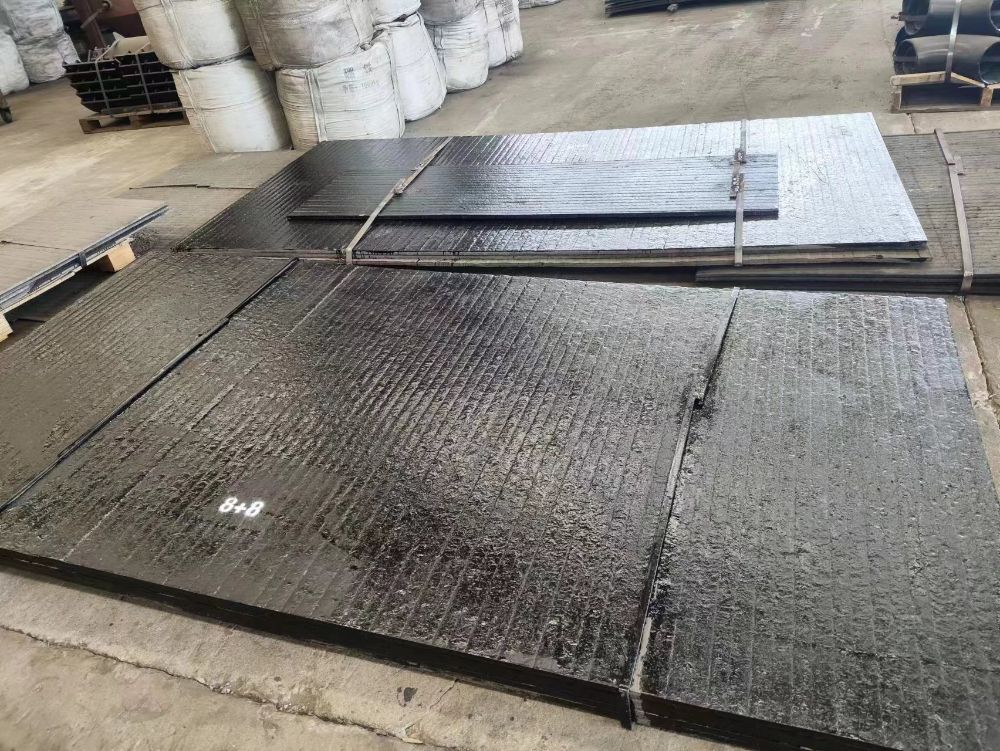
Choosing the right steel plate grade isn't just about picking a material from a catalog; it's a critical decision that can make or break a project's success. Start by considering the specific mechanical properties required, such as tensile strength and yield strength, which directly impact durability under load. Don't overlook toughness and hardness, especially in high-stress applications where resistance to wear and impact is paramount. Additionally, think about the environmental conditions the plate will face—corrosive atmospheres or extreme temperatures might call for grades with added alloying elements like chromium or nickel. A thorough assessment from the outset helps avoid costly failures down the line.
Beyond mechanical specs, delve into the welding and fabrication aspects, as some grades are more forgiving during cutting, bending, and joining processes. For instance, low-carbon steels are easier to weld but might sacrifice strength, while high-strength steels require precise techniques to prevent cracking. It's also wise to evaluate cost-effectiveness by balancing upfront material expenses with long-term performance and maintenance needs. Seeking advice from experienced engineers or suppliers can provide practical insights tailored to your unique requirements, steering you toward a grade that aligns with both budget and quality expectations.
Finally, consider availability and sourcing factors, as selecting a niche grade might lead to delays or higher costs due to limited supply. Standard grades like ASTM A36 or A572 are widely accessible and versatile for many applications, but specialized projects may demand custom alloys. Keep in mind regulatory compliance and industry standards, ensuring the chosen grade meets codes for safety and sustainability. By weighing these factors holistically, you'll not only enhance project reliability but also streamline operations, making informed choices that stand out in a crowded market of options.
Quality Assurance and Certification Standards in Global Imports
Navigating the complexities of global trade requires more than just logistics expertise; it demands a robust framework of quality assurance (QA) and certification standards to ensure products meet safety, performance, and regulatory expectations across borders. In today's interconnected markets, these standards serve as the backbone of trust between importers, exporters, and consumers, mitigating risks from faulty goods to legal liabilities. For instance, ISO certifications like ISO 9001 for quality management systems provide a universal benchmark, while industry-specific certifications such as CE marking in Europe or FCC approval in the U.S. address regional compliance needs, helping importers avoid costly recalls and reputational damage.
What sets top-tier import operations apart is their proactive approach to integrating QA from the sourcing phase onward, rather than treating it as a mere checkbox at the final inspection. By collaborating closely with suppliers to implement consistent testing protocols and audits, companies can catch potential defects early, streamline supply chains, and foster long-term partnerships built on reliability. This hands-on strategy often involves tailoring standards to local contexts, like adapting to environmental regulations in eco-conscious markets or ensuring cultural suitability for consumer goods, making quality not just a measure of conformity but a driver of market differentiation.
Ultimately, the value of these standards extends beyond compliance—they empower businesses to capitalize on global opportunities with confidence. A well-documented QA system, supported by recognized certifications, can enhance brand credibility, open doors to new markets with stringent entry requirements, and even reduce operational costs through fewer disputes and streamlined processes. By embedding a culture of continuous improvement and transparency, importers can turn quality assurance into a competitive edge that resonates with discerning customers worldwide.
Cost Considerations and Budgeting for Imported Wear Resistant Plates
When sourcing imported wear resistant plates, it's essential to factor in more than just the initial purchase price. These plates, often made from high-grade alloys like AR400 or AR500, can significantly impact your project's long-term costs. Consider aspects such as shipping fees, customs duties, and potential delays in delivery, which can vary based on the country of origin and trade agreements. Additionally, the quality of the plates—how well they resist abrasion, impact, and corrosion—affects their lifespan and maintenance needs. By evaluating these elements, you can avoid unexpected expenses and choose plates that offer the best value over time.
Effective budgeting starts with a thorough assessment of your specific application needs, whether for mining equipment, construction machinery, or industrial processing. Don't just compare prices from different suppliers; look into their reputation, certifications, and after-sales support, as issues like defects or poor performance can lead to costly downtime. It's also wise to set aside a contingency fund for unforeseen costs, such as emergency replacements or compliance with local regulations. By planning ahead and prioritizing reliability, you can manage your finances more efficiently and ensure your operations run smoothly without financial strain.
To make the most of your budget, consider strategies like bulk purchasing to negotiate better rates, or exploring alternative suppliers in regions with lower production costs, but balance this with quality assurance. Regularly review market trends, as fluctuations in raw material prices or currency exchange rates can influence costs. By adopting a proactive approach to cost considerations, you'll not only save money but also enhance the durability and performance of your equipment, making informed decisions that support both short-term savings and long-term operational success.
Navigating Logistics and Supply Chain Challenges for Durable Steel
Transporting durable steel across global supply chains presents unique logistical hurdles that go beyond typical cargo handling. Unlike lighter materials, steel's sheer weight and bulk demand specialized equipment like heavy-duty cranes and reinforced transport vehicles, while its susceptibility to corrosion during transit or storage requires meticulous packaging and climate-controlled environments. These factors drive up costs and complicate scheduling, especially when moving large shipments through congested ports or remote areas with limited infrastructure.
Effective navigation of these challenges hinges on leveraging strategic partnerships and technology. For instance, collaborating with logistics providers experienced in heavy industrial goods can streamline operations through optimized routing and real-time tracking systems. Advanced data analytics help predict delays and manage inventory buffers, reducing downtime. Additionally, digital platforms facilitate transparent communication across suppliers, manufacturers, and distributors, ensuring smoother coordination from raw material sourcing to final delivery.
Beyond efficiency, sustainability considerations are reshaping steel logistics. Companies are increasingly adopting eco-friendly practices, such as using low-emission transport modes or optimizing load capacities to minimize carbon footprints. By integrating greener solutions, businesses not only mitigate environmental impact but also enhance resilience against regulatory changes and market pressures, positioning durable steel as a more adaptable product in today's dynamic supply chain landscape.
Best Practices for Maintenance and Application in Industrial Use
In industrial settings, effective maintenance and application practices are key to maximizing equipment lifespan and operational efficiency. Regular inspections, timely repairs, and adherence to manufacturer guidelines help prevent costly downtime and ensure that machinery performs at its peak under demanding conditions. By implementing a structured approach, such as scheduled checks and data-driven monitoring, companies can minimize disruptions and maintain productivity in environments where even minor failures can lead to significant losses.
When applying these practices, it's crucial to consider the specific demands of the industry, such as high temperatures, corrosive materials, or heavy loads. Tailoring maintenance routines to match these factors ensures that applications remain safe and reliable year-round. Additionally, investing in training for personnel on proper handling techniques and troubleshooting can further enhance overall effectiveness, making maintenance not just a reactive task, but a proactive strategy for long-term success.
Beyond routine upkeep, integrating advanced technologies like predictive maintenance tools can transform how industries operate, allowing for early detection of issues before they escalate. This shift from traditional methods to more innovative approaches helps businesses stay competitive by reducing waste, improving resource allocation, and fostering a culture of continuous improvement in industrial applications.
FAQ
Look for plates with high hardness and toughness, often measured by the Brinell scale—values between 400 and 600 are common for heavy-duty applications. Consider factors like abrasion resistance and impact strength to match your specific use case, such as mining or construction.
Start by verifying suppliers through certifications like ISO 9001 and checking their track record with similar projects. Request material test certificates and consider visiting their facilities if possible to assess quality control firsthand.
A common mistake is focusing solely on hardness without considering weldability or corrosion resistance, which can lead to premature failure. Also, ignoring environmental factors like temperature fluctuations might reduce plate longevity.
Yes, mid-grade plates with good abrasion resistance but lower alloy content can be budget-friendly for less demanding tasks. However, balance cost against maintenance and replacement frequency to avoid higher long-term expenses.
Thicker plates generally offer better durability under heavy load, but they might be less flexible and harder to install. Tailor thickness based on your application's wear patterns—for example, thinner plates might suffice in low-impact areas.
Key elements include carbon for hardness, chromium for corrosion resistance, and manganese for toughness. A balanced mix ensures optimal performance; avoid plates with excessive impurities that could weaken structural integrity.
Absolutely, many suppliers offer custom cutting, bending, and heat treatments to fit unique designs. Discuss your equipment's specifications early on to get plates that integrate seamlessly and enhance durability.
Regular inspections for signs of wear or cracks, coupled with timely repairs like welding patches, can prevent major damage. Cleaning off abrasive materials and applying protective coatings also help maintain performance over time.
Conclusion
For importers delving into wear resistant steel plates, understanding the fundamentals and selecting the correct grade are crucial steps. This involves grasping key material properties that dictate durability in demanding industrial environments, such as hardness, toughness, and abrasion resistance. When evaluating different steel plate grades, factors like specific application requirements, environmental conditions, and compliance with international standards play a pivotal role. By integrating quality assurance and certification processes, importers can ensure the materials meet global benchmarks, safeguarding performance and longevity in varied uses from mining to construction.
Beyond technical specifications, successful importation requires navigating logistical complexities and managing costs effectively. Budgeting must account not only for initial purchase prices but also for shipping, tariffs, and potential supply chain disruptions. Implementing best practices for maintenance and application further enhances the value of these durable steels, optimizing their service life and minimizing downtime. By addressing these multifaceted aspects—from selection through logistics to end-use—importers can make informed decisions that balance quality, cost-efficiency, and operational reliability in their industrial projects.
Contact Us
Contact Person: Zoe Liang
Email: [email protected]
Tel/WhatsApp: 86 189 2128 6299
Website: https://www.baowuchina.com