

What Are the Key Differences Between a Hydraulic Motor And a Hydraulic Pump?
2025-12-25
In hydraulic systems used across construction equipment, agricultural machinery, material handling units, and industrial power packs, understanding how core components function is essential for system efficiency and reliability. Engineers and maintenance teams often compare motors and pumps because both are rotary hydraulic components, yet they serve opposite roles. From our factory perspective, system performance depends on selecting the right component for the right task. Through years of field feedback and production experience, Saifu Vietnam Company Limited has observed that confusion between these components can lead to improper system design, energy loss, and premature wear. This article explains the differences clearly, using practical terminology commonly applied in North American hydraulic engineering.
How Does a Hydraulic Pump Function Within a Power System?
A hydraulic pump is responsible for converting mechanical energy into hydraulic energy. It draws fluid from the reservoir and delivers flow into the system, creating the pressure required to move actuators. In most industrial and mobile applications, pumps are driven by electric motors or internal combustion engines. Our engineers frequently explain that pressure itself is not created by the pump alone, but by resistance in the system. From our factory testing lines, we verify flow rate stability, volumetric efficiency, and inlet conditions to ensure reliable operation under load.
Saifu Vietnam Company Limited designs pumps to handle a wide range of operating pressures, rotational speeds, and duty cycles. Common pump types include gear, vane, and piston designs, each selected based on system demands. In our experience, matching pump displacement to system flow requirements is critical to prevent overheating and energy waste.
How Does a Hydraulic Motor Convert Energy Into Motion?
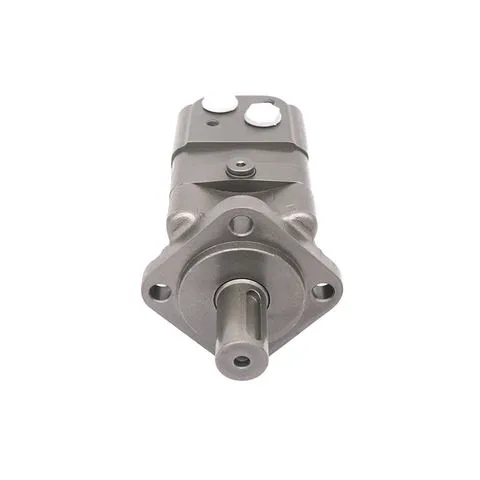
A hydraulic motor performs the opposite function of a pump by converting hydraulic energy into mechanical torque and rotational movement. It receives pressurized fluid and transforms that energy into shaft rotation, allowing equipment to drive conveyors, winches, mixers, or wheel drives. In our factory environment, performance testing focuses on torque output, speed range, and efficiency under continuous load. A properly selected Motor ensures smooth operation and predictable response in real working conditions.
Saifu Vietnam Company Limited manufactures hydraulic drive solutions with attention to internal leakage control and load holding characteristics. Our engineering team often reminds customers that unlike pumps, motors must handle high starting torque and frequent load reversals. These conditions influence internal design, bearing selection, and sealing structure.
What Are the Structural Differences Between Motors and Pumps?
Although pumps and motors may appear similar externally, their internal construction differs in important ways. Pumps are optimized for fluid intake and discharge, while motors are designed to withstand output loads and deliver torque. In our factory assembly process, we adjust tolerances, port timing, and internal clearances differently depending on whether the unit is intended as a pump or a Motor. These structural differences directly affect service life and operational stability.
Saifu Vietnam Company Limited applies reinforced shaft designs and load rated bearings in motor units to accommodate side loads and continuous rotation. Pumps, on the other hand, prioritize suction performance and cavitation resistance. Understanding these distinctions helps system designers avoid improper substitutions that could shorten equipment lifespan.
How Do Performance Parameters Compare in Real Applications?
From a system design standpoint, pumps are rated primarily by flow rate and maximum operating pressure, while motors are rated by torque output, speed, and displacement. Our engineering documentation emphasizes that selecting a Motor based solely on speed without considering torque demand often results in inefficiency. In contrast, pump selection errors usually lead to excessive heat generation and unstable pressure control.
The following table compares typical performance parameters used by engineers when specifying pumps and motors in hydraulic systems.
| Parameter | Hydraulic Pump | Hydraulic Motor | Design Focus |
| Main Function | Generate flow | Produce rotation | Energy conversion direction |
| Key Rating | Flow rate | Torque output | System matching |
| Load Handling | Low mechanical load | High mechanical load | Bearing and shaft design |
| Typical Drive | Electric or engine driven | Driven by pressurized fluid | Power source |
How Do Efficiency and Energy Loss Differ?
Efficiency plays a major role in system operating costs. Pumps primarily lose energy through internal leakage and mechanical friction, while motors experience losses due to leakage, friction, and load induced pressure drops. From our factory testing data, motors generally operate at slightly lower overall efficiency because they must overcome external mechanical loads. A well designed Motor minimizes these losses through optimized internal geometry and surface treatment.
Saifu Vietnam Company Limited evaluates both volumetric and mechanical efficiency during production testing. Our experience shows that maintaining clean hydraulic fluid and proper filtration has a direct impact on long term efficiency for both components.
What Role Does Application Environment Play?
Application conditions strongly influence whether a pump or motor performs reliably. Pumps installed in mobile equipment face variable speeds and temperature changes, while motors often operate under fluctuating loads and shock conditions. In our factory, environmental simulations replicate these conditions to ensure durability. Selecting the correct Motor for heavy duty applications requires understanding duty cycle, load inertia, and braking requirements.
Saifu Vietnam Company Limited supports customers working in construction, agriculture, and industrial automation by aligning component specifications with real operating environments. Our engineers often emphasize that proper system integration is as important as component quality.
How Do Maintenance Requirements Compare?
Maintenance practices differ between pumps and motors due to their operating roles. Pumps require careful attention to inlet conditions, fluid cleanliness, and shaft alignment. Motors, by contrast, demand monitoring of output shaft seals, bearings, and load connections. In our factory training sessions, we stress that early detection of leakage or abnormal noise can prevent costly downtime.
A properly maintained Motor can deliver long service life even in demanding applications. Saifu Vietnam Company Limited provides technical guidance to help operators establish inspection routines that match actual operating conditions.
What Are the Key Differences Between a Hydraulic Motor And a Hydraulic Pump? FAQ
Q1: Can a hydraulic pump be used as a motor in a system?
Although some pump designs can rotate under pressure, they are not engineered to handle continuous output loads. Using a pump as a motor often leads to bearing failure, excessive leakage, and reduced service life.
Q2: How does torque requirement influence motor selection?
Torque demand determines displacement size and pressure rating. Selecting a motor without sufficient torque capacity can result in stalling or overheating under load.
Q3: Why is fluid cleanliness critical for both components?
Contaminated fluid accelerates internal wear, increases leakage, and reduces efficiency. Proper filtration extends the operational life of pumps and motors alike.
Conclusion
Understanding the functional, structural, and performance differences between hydraulic pumps and motors is essential for building efficient and reliable hydraulic systems. Pumps supply the flow that powers the system, while motors convert that energy into usable motion. Selecting the correct Motor and matching it with the right pump improves efficiency, reduces maintenance, and extends equipment lifespan. Our engineering team at Saifu Vietnam Company Limited works closely with customers to provide technically sound solutions tailored to real operating conditions. Contact our technical support team today to discuss your hydraulic system requirements and receive professional guidance from our factory specialists.