

What Are the Key Materials Used in Next-Generation Electric Motors?
2026-05-09
Manufacturing plants across Southeast Asia, Europe, and North America are upgrading production lines to improve energy efficiency, torque stability, and operational reliability. As industrial automation expands, the material composition inside modern drive equipment has become a major engineering focus. Today’s Electric Motors are expected to deliver higher power density, lower heat loss, and longer maintenance intervals under continuous-duty operating conditions.
In sectors such as food processing, textile manufacturing, HVAC systems, packaging machinery, and precision machining, buyers now pay close attention to stator efficiency, winding insulation quality, and thermal management capability. Our engineering team has seen increasing demand for compact frame structures combined with reduced vibration and improved IE3 and IE4 efficiency performance.
Saifu Vietnam Company Limited works with industrial customers seeking dependable drive technology solutions for both OEM machinery integration and plant modernization projects. Our factory supports stable production quality and flexible technical configurations for regional export markets.
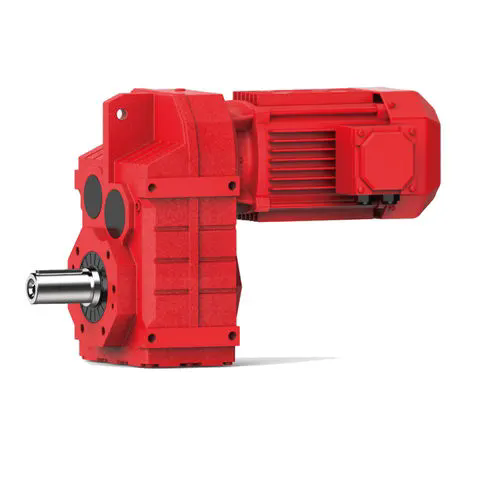
What Magnetic Core Materials Improve Efficiency in Modern Designs?
The magnetic core remains one of the most important elements affecting energy conversion efficiency. Silicon steel laminations are widely used because they reduce eddy current loss while maintaining strong magnetic permeability. In premium applications, high-grade cold-rolled non-oriented electrical steel helps improve rotational stability and lower no-load current.
Many manufacturers developing next-generation Electric Motors now prefer thinner lamination structures because they reduce hysteresis loss during high-speed operation. This is especially important for inverter-duty systems operating under variable frequency drives.
Our factory commonly uses precision-cut laminated stator and rotor cores with optimized slot geometry. This helps reduce heat accumulation during long production cycles while supporting smooth electromagnetic performance.
| Core Material Type | Main Performance Advantage |
| CRNO Silicon Steel | Low core loss and stable magnetic permeability |
| High Silicon Electrical Steel | Improved energy efficiency in continuous operation |
| Thin Gauge Laminations | Reduced eddy current generation |
| Insulated Lamination Coating | Enhanced thermal resistance and durability |
| Precision Rotor Core Assembly | Lower vibration and improved balancing |
How Do Copper Windings and Insulation Systems Affect Long-Term Reliability?
High-conductivity copper remains the preferred winding material in industrial power transmission systems because it provides excellent electrical conductivity and mechanical strength. In high-load operating environments, copper windings contribute to stable current flow and reduced energy waste.
For many heavy-duty Electric Motors, enamel-coated copper wire with Class F or Class H insulation systems is widely adopted to handle elevated operating temperatures. Proper insulation design protects against short circuits, voltage spikes, and thermal degradation caused by inverter applications.
Saifu Vietnam Company Limited focuses on winding consistency, slot insulation accuracy, and vacuum varnish treatment to improve operational stability. Our engineers understand that insulation failure is one of the leading causes of premature drive system shutdown in industrial facilities.
Our production process includes dynamic balance testing, temperature rise verification, and insulation resistance inspection before shipment. These procedures help ensure dependable field performance in demanding environments.
| Component | Typical Specification |
| Winding Material | 99.9 percent pure copper wire |
| Insulation Class | Class F and Class H available |
| Voltage Range | 220V to 690V |
| Frequency Support | 50 Hz and 60 Hz |
| Efficiency Level | IE2 IE3 and IE4 options |
| Cooling Method | TEFC and customized ventilation structures |
Why Are Lightweight Alloys and Thermal Materials Becoming More Important?
As industrial equipment becomes more compact, thermal efficiency and structural weight reduction have become critical engineering priorities. Aluminum alloy housings are now widely used because they provide strong corrosion resistance while reducing overall system mass. This is particularly useful in conveyor systems, agricultural machinery, and automated production equipment.
Advanced cooling structures also support the next generation of Electric Motors operating under variable load conditions. Heat dissipation directly affects bearing life, winding stability, and operating efficiency. Many industrial buyers now request optimized fin geometry and precision-machined housing surfaces for improved airflow management.
Our factory continues refining casting quality and machining precision to improve dimensional accuracy. Better housing alignment helps reduce vibration, shaft deviation, and premature bearing wear during long-term service.
Saifu supplies customized frame sizes and shaft configurations for customers requiring flexible installation compatibility across regional industrial standards.
What Questions Are Buyers Asking About Modern Motor Materials?
Q1: Why is silicon steel commonly used in industrial motor cores?
A1: Silicon steel helps reduce magnetic energy loss during operation. It improves efficiency by minimizing heat generation and eddy current formation inside the stator and rotor core. This makes it highly suitable for continuous-duty industrial applications.
Q2: Why are copper windings preferred over aluminum windings?
A2: Copper offers better electrical conductivity, stronger mechanical durability, and improved thermal performance. Although aluminum is lighter and lower in cost, copper winding systems typically provide better long-term reliability in demanding industrial environments.
Q3: How do insulation systems affect motor lifespan?
A3: Insulation systems protect winding conductors from thermal stress, electrical overload, moisture, and vibration damage. Higher insulation classes allow equipment to operate safely at elevated temperatures while reducing the risk of winding failure and unexpected downtime.
Why Is Material Selection Becoming a Competitive Advantage in Global Manufacturing?
Industrial buyers are no longer focused only on output power. Efficiency standards, operating stability, service life, and maintenance cost now play a major role in purchasing decisions. Well-designed Electric Motors require careful coordination between magnetic materials, winding systems, structural alloys, and thermal management technologies.
As production facilities move toward automation and energy-saving operations, material engineering will continue shaping the future of industrial drive systems. Saifu Vietnam Company Limited supports this transition with reliable manufacturing capability, technical customization, and stable supply chain coordination for international customers.
If your project requires efficient drive solutions with dependable material performance, our team can help evaluate specifications, operating conditions, and installation requirements. Contact our factory today to discuss customized industrial applications and receive technical support for your next production program.