

Why Are Helical Gear Motors Commonly Used in High-Load Applications?
2026-01-06
In high-load industrial environments, torque density and smooth transmission are non-negotiable. Helical gearing is engineered with angled teeth that engage progressively, distributing load across multiple contact points. This geometry significantly reduces localized stress and vibration under continuous duty cycles. In practical terms, it allows equipment to handle shock loads common in bulk handling, conveying, and material processing lines across North America.
From our experience serving OEMs and system integrators, this design translates into quieter operation and longer service intervals. Our factory focuses on optimizing tooth profile accuracy to AGMA standards, ensuring consistent power flow even when operating near rated capacity. For installations requiring precise speed control, a properly matched Motor with helical gearing maintains efficiency without sacrificing durability.
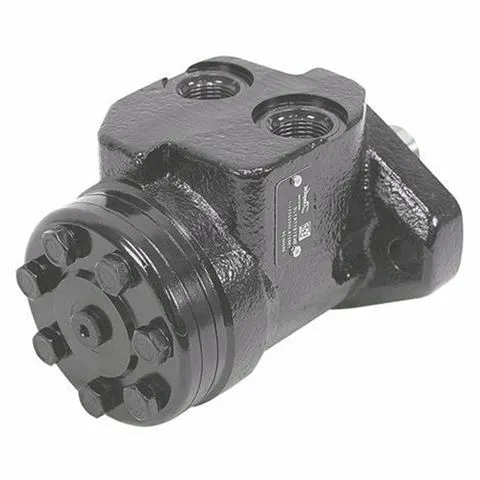
How Do Helical Gear Designs Improve Efficiency Under Continuous Load?
Efficiency losses under sustained load often come from friction and misalignment. Helical gears minimize these issues by maintaining constant tooth contact, which stabilizes rotational motion and reduces energy dissipation. In warehouse automation and packaging systems, this efficiency directly impacts operating cost and thermal performance.
At Saifu Vietnam Company Limited, our engineering team specifies hardened alloy steel gears combined with optimized bearing layouts. This approach allows our solutions to operate reliably in 24/7 duty environments. When paired with a correctly rated Motor, energy transfer remains stable even during peak load conditions, helping end users meet energy compliance targets.
Why Is Load Distribution Critical for Industrial Reliability?
Uneven load distribution accelerates wear, leading to premature failure and unplanned downtime. Helical gear systems inherently balance axial and radial forces when properly assembled. This characteristic is especially valued in industries such as mining support equipment and wastewater treatment plants, where maintenance windows are limited.
Our production process emphasizes shaft alignment and housing rigidity. Our factory applies in-process inspection to verify tolerances before final assembly. By integrating these practices, each Motor unit we supply supports higher load ratings without compromising bearing life, which is a key concern for plant managers.
Which Technical Parameters Define Performance in High-Load Conditions?
Selecting the right configuration requires understanding application-specific parameters. Below is a reference overview commonly used by engineers during specification.
| Rated Torque Range | 1,000 Nm to 120,000 Nm |
| Gear Ratio Options | 5:1 to 300:1 |
| Efficiency | Up to 96 percent depending on ratio |
| Mounting Style | Foot mounted, flange mounted, shaft mounted |
| Thermal Class | Class F or Class H |
These parameters allow engineers to match system demand accurately. In our projects, our recommendations always account for service factor and ambient conditions. A well-selected Motor operating within these limits delivers predictable performance over its lifecycle.
How Do Manufacturing Standards Influence Long-Term Load Capacity?
Manufacturing quality directly impacts load handling capability. Precision machining, controlled heat treatment, and final assembly checks are essential. Local buyers often reference NEMA mounting dimensions and ISO tolerances when sourcing components.
Saifu Vietnam Company Limited applies standardized quality control from raw material inspection through final testing. Our factory conducts load simulation tests to validate real-world performance. The following table outlines key material and process selections used in high-load builds.
| Gear Material | Alloy steel, carburized and ground |
| Shaft Material | High-strength tempered steel |
| Bearing Type | Tapered roller bearings |
| Housing | Cast iron or ductile iron |
By controlling these factors, our solutions maintain structural integrity under sustained torque. Each motor is validated before shipment to ensure it meets application demands.
FAQ
Q1: Why are helical gear systems preferred over spur designs for heavy loads?
Helical gear systems provide gradual tooth engagement, which spreads load more evenly and reduces stress concentration, resulting in higher load capacity and longer service life.
Q2: How does proper sizing affect performance in high-load applications?
Accurate sizing ensures the drive operates within its service factor, preventing overheating and premature wear while maintaining consistent torque output.
Q3: What role does lubrication play in sustaining high-load operation?
Proper lubrication minimizes friction and heat generation, preserving gear tooth integrity and bearing performance under continuous load.
Conclusion
In demanding industrial environments, selecting the right drive solution is a strategic decision. Helical gearing offers proven advantages in torque handling, efficiency, and reliability when loads are high and operating hours are long. At Saifu Vietnam Company Limited, our focus remains on delivering dependable solutions built for real-world conditions. Contact our technical team today to discuss your application and receive a tailored recommendation that supports long-term performance and operational confidence.