
HDPE Pipe Fittings vs Ductile Iron Fittings: What Are the Cost and Durability Differences?
2026-04-01
How Do HDPE Pipe Fittings and Ductile Iron Fittings Differ in Material Composition?
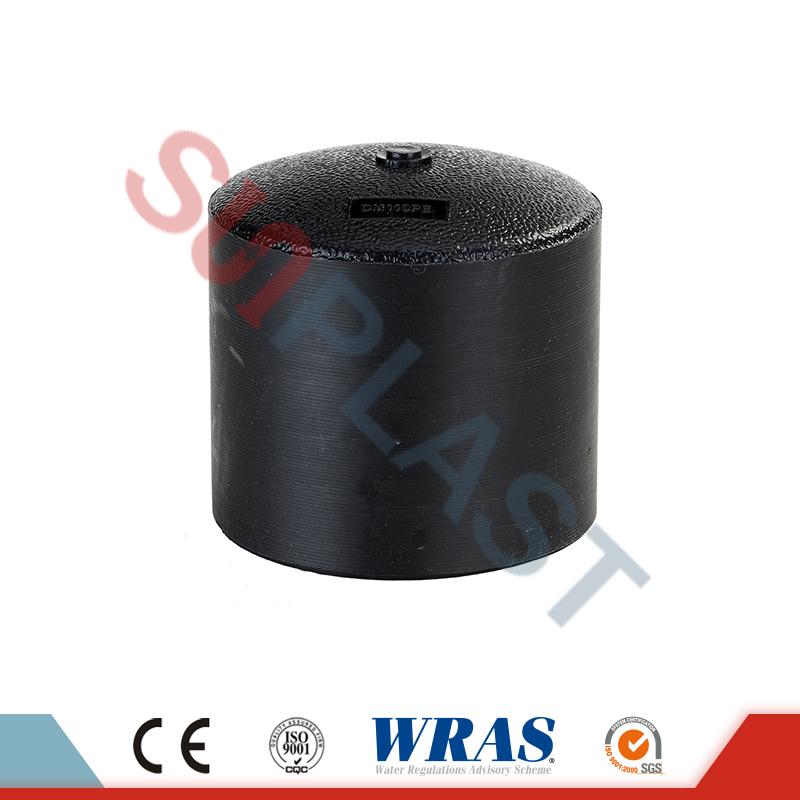
Our evaluation begins with understanding the fundamental material differences between HDPE Pipe Fittings and Ductile Iron Fittings. HDPE, or high-density polyethylene, offers lightweight construction, chemical resistance, and flexibility. This allows for easier installation and reduced labor costs. Ductile iron, on the other hand, is a robust alloy known for its high tensile strength and rigidity. While heavier, it offers excellent mechanical performance in high-pressure applications.
At Ningbo Sunplast Pipe Co., Ltd., our HDPE Pipe Fittings are manufactured with carefully controlled polymer grades to meet ASTM standards, ensuring optimal durability and chemical resistance. Our factory quality checks ensure that every piece maintains consistent wall thickness and density, providing a reliable service life for water, gas, and sewage applications.
What Are the Key Cost Differences Between HDPE and Ductile Iron Fittings?
Cost is often a decisive factor when selecting pipe fittings. HDPE Pipe Fittings typically offer lower upfront material costs and reduced installation expenses due to their lightweight design. Ductile Iron Fittings require more handling equipment, longer labor times, and additional support structures, contributing to higher overall project costs.
Below is a comparison table outlining average costs and installation considerations for typical fittings used in municipal and industrial projects:
| Type | Material Cost per Unit | Installation Labor Cost | Total Project Cost |
| HDPE Pipe Fittings | $12 - $20 | Low | Moderate |
| Ductile Iron Fittings | $25 - $40 | High | High |
How Does Durability Compare in Different Environmental Conditions?
Durability is critical in selecting pipe fittings for long-term infrastructure projects. HDPE Pipe Fittings are highly resistant to corrosion, scaling, and chemical attack, making them suitable for aggressive soil conditions and water with varying pH levels. Ductile Iron Fittings, while extremely strong under pressure, may require protective coatings to prevent rust and degradation over time.
Our factory implements strict quality assurance processes to ensure HDPE Pipe Fittings meet or exceed industry lifespan expectations, often exceeding 50 years under normal operating conditions. Ductile iron components, when properly maintained, also provide long service life but demand routine inspection and maintenance, which can impact long-term operational costs.
Which Applications Are Better Suited for HDPE or Ductile Iron Fittings?
Choosing the right fitting depends on the specific project requirements. HDPE Pipe Fittings excel in applications where flexibility, chemical resistance, and ease of installation are priorities, such as irrigation systems, potable water networks, and industrial fluid handling. Ductile Iron Fittings are preferred for high-pressure pipelines, heavy-duty sewage transport, and infrastructure projects where mechanical impact resistance is critical.
Our engineers at Ningbo Sunplast Pipe Co., Ltd. work closely with clients to recommend the appropriate fitting type for each project, ensuring optimal performance and longevity. The following table summarizes key application suitability:
| Application | HDPE Pipe Fittings | Ductile Iron Fittings |
| Water Supply | Excellent | Good |
| Sewage Systems | Good | Excellent |
| Industrial Chemicals | Excellent | Moderate |
| Irrigation & Agriculture | Excellent | Moderate |
What Are the Maintenance and Longevity Considerations?
Understanding the maintenance requirements helps determine the total cost of ownership. HDPE Pipe Fittings require minimal maintenance due to their corrosion resistance and lightweight design. Ductile Iron Fittings, while durable, may need periodic inspection, repainting, or replacement of protective linings to maintain integrity. Our HDPE Pipe Fittings undergo rigorous testing at Ningbo Sunplast Pipe Co., Ltd. to ensure long-term reliability, reducing downtime and maintenance costs for our clients.
FAQ: HDPE Pipe Fittings vs Ductile Iron Fittings: What Are the Cost and Durability Differences?
Q1: Are HDPE Pipe Fittings suitable for high-pressure systems?
A1: Yes, HDPE Pipe Fittings can handle moderate to high-pressure applications, depending on the fitting class and pipe diameter. Our factory produces fittings rated for up to 16 bar in standard configurations, ensuring safe and reliable operation in most water and industrial pipelines.
Q2: How does the lifespan of HDPE compare to Ductile Iron Fittings?
A2: HDPE Pipe Fittings typically offer a service life of 50 years or more under normal conditions due to their corrosion resistance. Ductile Iron Fittings can also last several decades but may require protective coatings and routine maintenance, which can increase long-term operational costs.
Q3: Which option provides better cost efficiency for large-scale projects?
A3: HDPE Pipe Fittings generally provide lower initial material and installation costs, especially for extensive pipeline networks. Ductile Iron Fittings, while more durable under extreme mechanical loads, have higher labor and support costs, making HDPE a more cost-effective solution for many projects.
Conclusion
In summary, choosing between HDPE Pipe Fittings and Ductile Iron Fittings depends on project requirements, environmental conditions, and cost considerations. HDPE provides chemical resistance, lightweight handling, and lower installation costs, while Ductile Iron offers mechanical strength and suitability for high-pressure pipelines. Our team at Ningbo Sunplast Pipe Co., Ltd. is dedicated to providing high-quality HDPE Pipe Fittings tailored to your operational needs. Contact our technical specialists today to discuss your next project and receive a detailed solution and quotation.