

HDPE Pipe Fittings vs PPR Fittings: Which Offers Better Chemical Resistance?
2026-04-13
What Makes HDPE Pipe Fittings More Resistant to Harsh Chemicals?
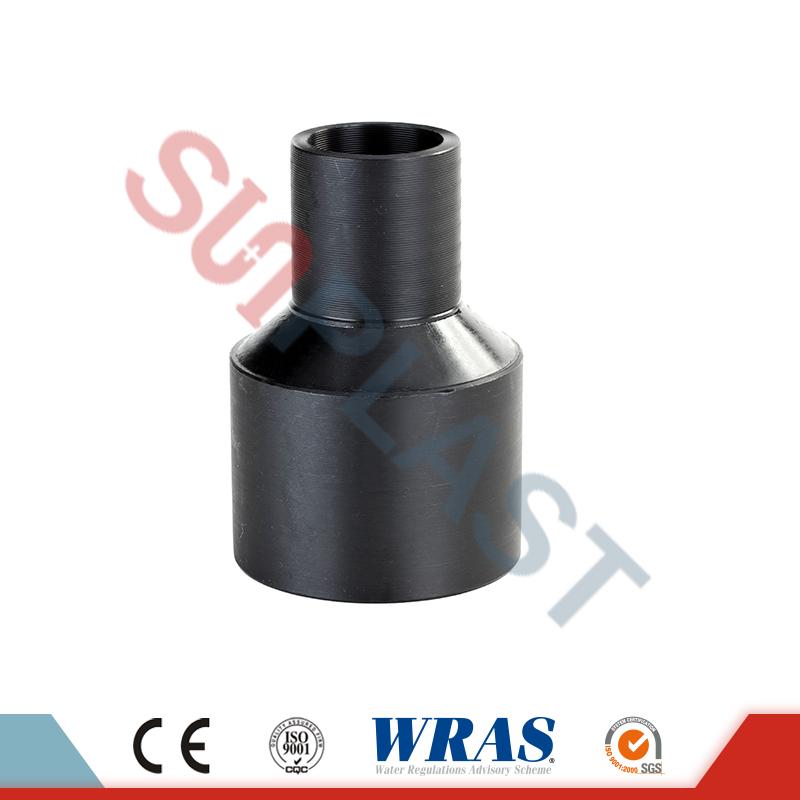
At our factory, we focus on producing HDPE Pipe Fittings that deliver superior performance in environments where chemical exposure is frequent. HDPE materials exhibit excellent resistance to acids, alkalis, and salts, which ensures longevity in industrial piping systems. Our HDPE Pipe Fittings maintain their structural integrity under prolonged chemical exposure, which makes them highly reliable for aggressive applications.
Compared with PPR Fittings, which are often used for domestic water supply, HDPE Pipe Fittings resist corrosion better and have a lower tendency to degrade over time when exposed to chemicals like hydrochloric acid, sodium hydroxide, or chlorine-based agents. At Ningbo Sunplast Pipe Co., Ltd., we rigorously test each batch of fittings in our laboratory to ensure they meet international standards for chemical resistance.
How Do PPR Fittings Perform Under Chemical Stress?
PPR Fittings are widely recognized for their ease of installation and thermal performance in hot and cold water systems. However, their chemical resistance is comparatively limited. Our analysis shows that prolonged exposure to aggressive chemicals can lead to micro-cracks and gradual deterioration in PPR material. Our factory emphasizes quality control to ensure PPR Fittings withstand typical water treatment chemicals, but they are less suitable for industrial or chemical applications compared to HDPE.
Choosing the right fitting depends on your specific project needs. Our team at Ningbo Sunplast Pipe Co., Ltd. often advises clients on selecting between HDPE Pipe Fittings and PPR Fittings based on expected chemical exposure and operational pressures.
What Are the Key Material Specifications to Compare?
Understanding the specifications is critical when evaluating chemical resistance. Below is a detailed comparison of HDPE Pipe Fittings and PPR Fittings based on our product testing at our factory:
| Property | HDPE Pipe Fittings | PPR Fittings |
| Maximum Operating Temperature | 80°C | 95°C |
| Chemical Resistance | High resistance to acids, bases, and salts | Moderate resistance to water treatment chemicals |
| Impact Strength | Excellent, even at low temperatures | Good, but reduces under chemical stress |
| Service Life | 50 years under industrial conditions | 25–30 years under domestic conditions |
| Pressure Rating | PN16–PN25 | PN10–PN20 |
Why Do Industry Experts Recommend HDPE Pipe Fittings?
Our observations at Ningbo Sunplast Pipe Co., Ltd. indicate that HDPE Pipe Fittings are preferred in chemical processing, wastewater management, and industrial fluid systems. The reasons are:
- Durable chemical resistance minimizes maintenance costs.
- High impact strength ensures integrity under mechanical stress.
- Compatibility with multiple industrial piping systems allows versatile applications.
- Reduced long-term operational failures, enhancing system reliability.
Our engineers often highlight that choosing HDPE over PPR in these settings significantly lowers the risk of unplanned downtime due to chemical corrosion.
How Do HDPE Pipe Fittings and PPR Fittings Compare Technically?
Technical comparison is essential for precise engineering decisions. The following table summarizes critical performance parameters for our products:
| Parameter | HDPE Pipe Fittings | PPR Fittings |
| Material Density | 0.95 g/cm³ | 0.91 g/cm³ |
| Flexural Modulus | 1100 MPa | 800 MPa |
| Tensile Strength | 25 MPa | 20 MPa |
| Resistance to UV | High | Moderate |
| Connection Method | Butt Fusion / Electrofusion | Socket Fusion / Heat Fusion |
Frequently Asked Questions About HDPE Pipe Fittings vs PPR Fittings
Question: Are HDPE Pipe Fittings suitable for all types of chemicals?
Answer: HDPE Pipe Fittings offer broad chemical resistance and are ideal for acids, bases, and salts commonly used in industrial applications. While no material is universal, our factory ensures compatibility testing before recommending fittings for specialized chemicals.
Question: How does temperature affect the chemical resistance of PPR Fittings?
Answer: PPR Fittings perform well at moderate temperatures, but prolonged exposure to hot chemicals above 80°C may reduce their durability. Our analysis shows micro-cracking risk increases with continuous high-temperature chemical exposure.
Question: Can HDPE Pipe Fittings be used in wastewater systems with high chemical content?
Answer: Yes, HDPE Pipe Fittings are commonly employed in wastewater systems due to their high resistance to corrosion and chemical degradation. Our team has successfully supplied HDPE fittings for industrial wastewater plants where aggressive chemicals are present.
Conclusion
In summary, HDPE Pipe Fittings provide superior chemical resistance compared to PPR Fittings, making them the optimal choice for industrial and chemical applications. Our products at Sunplast ensure reliability, durability, and long-term performance. We encourage customers to evaluate their system requirements carefully and select our HDPE Pipe Fittings for projects where chemical exposure is a critical factor. Contact our technical team today to receive a customized recommendation and quote from our factory.