

How Are CNC Machining Technologies Improving Hydraulic Cylinder Precision?
2026-04-13
In modern fluid power systems, precision is no longer optional. Whether used in construction equipment, agricultural machinery, or industrial automation, a high-performance Hydraulic Cylinder depends heavily on machining accuracy. CNC machining has become the backbone of achieving tight tolerances, repeatability, and consistent quality across production batches.
Our factory integrates multi-axis CNC lathes and machining centers to ensure micron-level dimensional control. Compared with conventional machining, CNC processes minimize human error while improving surface finish and concentricity. In North American and European markets, buyers increasingly demand ISO-compliant tolerances, stable sealing performance, and long service life, all of which rely on CNC-based production systems.
At Raydafon, our production lines are optimized for high-precision boring, honing, and turning operations. This allows our team to deliver cylinders that meet strict industrial standards while maintaining cost efficiency. Our engineering approach focuses on durability, sealing integrity, and compatibility with global hydraulic systems.
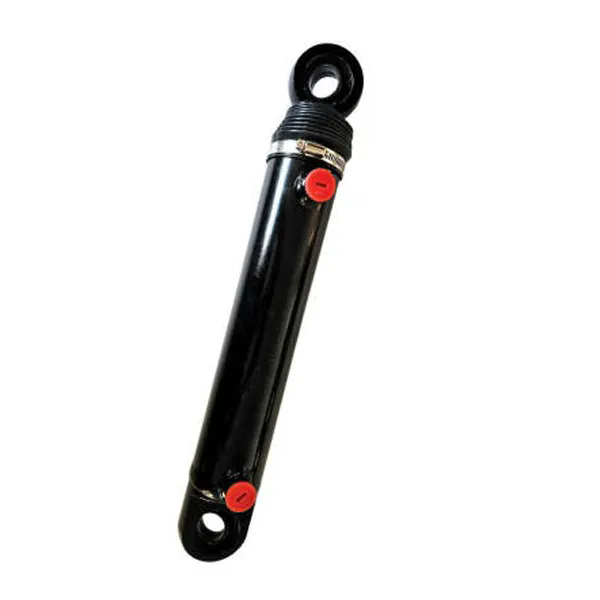
How Do CNC Processes Enhance Dimensional Accuracy and Surface Finish?
Dimensional accuracy is critical for ensuring proper piston movement, seal longevity, and system efficiency. CNC machining enables precise control over inner diameters, rod straightness, and thread tolerances. This is especially important in high-pressure applications where even minor deviations can lead to leakage or performance loss.
Our factory applies CNC honing technology to achieve optimal surface roughness inside the cylinder bore. A smoother surface reduces friction, enhances sealing performance, and extends service life. In industrial terminology, achieving the correct Ra value directly impacts the efficiency of hydraulic sealing systems.
Additionally, automated CNC turning ensures consistent rod alignment and eliminates runout issues. Our team continuously monitors machining parameters such as feed rate, cutting speed, and tool wear to maintain stable quality output.
| Machining Parameter | Standard Range | Impact on Performance |
| Bore Diameter Tolerance | H8 / H9 | Ensures sealing efficiency and reduces leakage |
| Surface Roughness (Ra) | 0.2 – 0.4 μm | Improves seal life and reduces friction |
| Rod Straightness | ≤ 0.02/1000 mm | Prevents uneven wear and misalignment |
| Concentricity | ≤ 0.03 mm | Enhances motion stability |
What Role Does CNC Automation Play in Consistency and Production Efficiency?
Consistency across large production volumes is one of the key advantages of CNC machining. In traditional workshops, variability between operators can lead to inconsistent product quality. CNC automation eliminates this issue by standardizing every machining step.
Our factory uses automated tool changers and digital control systems to ensure each Hydraulic Cylinder is produced with identical specifications. This is particularly important for OEM clients who require interchangeability across equipment fleets.
Raydafon Technology Group Co.,Limited has invested in smart manufacturing systems that allow real-time monitoring of machining data. Our engineers can quickly adjust parameters to maintain optimal performance, reducing scrap rates and improving overall production efficiency.
In addition, CNC machining reduces lead times, enabling faster order fulfillment for international buyers. This advantage is critical in industries where downtime directly affects profitability.
How Are Material Selection and CNC Integration Improving Durability?
Material quality and machining precision go hand in hand. CNC machining allows better handling of high-strength alloys, ensuring precise shaping without compromising material integrity. For demanding applications, our factory selects high-grade steel such as 20MnV6 or 42CrMo, which are widely recognized in the global hydraulic industry.
Through controlled CNC processes, heat-treated components maintain their structural strength while achieving precise dimensions. This is essential for extending the service life of each Hydraulic Cylinder, especially in high-load and high-pressure environments.
Our engineering team also focuses on chrome plating and surface hardening of piston rods. CNC-controlled polishing ensures uniform coating thickness, improving corrosion resistance and wear performance.
| Component | Material Option | Processing Method | Key Benefit |
| Cylinder Tube | ST52 / 20MnV6 | CNC Honing | High strength and smooth inner surface |
| Piston Rod | CK45 / 42CrMo | CNC Turning + Chrome Plating | Wear resistance and corrosion protection |
| Piston | High-strength steel | Precision CNC Milling | Stable load distribution |
| End Cap | Alloy Steel | CNC Threading | Secure sealing and assembly |
Why Are Global Buyers Prioritizing CNC-Machined Hydraulic Cylinder Solutions?
In competitive markets such as the United States and Europe, buyers prioritize reliability, compliance, and lifecycle cost. CNC machining directly supports these requirements by delivering consistent quality and traceability.
Our factory ensures every Hydraulic Cylinder meets international expectations through strict quality inspection protocols, including dimensional checks, pressure testing, and surface inspection. This approach reduces failure rates and enhances customer trust.
Raydafon continues to optimize production workflows, combining advanced CNC equipment with experienced engineering teams. Our focus is not only on manufacturing but also on providing solutions tailored to different applications, from mobile machinery to industrial systems.
By aligning with global standards and adopting advanced machining technologies, our products remain competitive in both performance and cost. This balance is critical for long-term partnerships with overseas buyers.
FAQ
Q1: What are the main advantages of CNC machining in improving Hydraulic Cylinder precision?
CNC machining ensures high dimensional accuracy, repeatability, and superior surface finish. It reduces human error and allows tight tolerance control, which directly improves sealing performance, reduces leakage risks, and extends the service life of the cylinder in demanding applications.
Q2: How does surface roughness affect Hydraulic Cylinder performance?
Surface roughness inside the cylinder bore plays a critical role in sealing efficiency. A smoother surface reduces friction between the seal and the bore, minimizes wear, and ensures consistent pressure retention. CNC honing technology allows manufacturers to achieve optimal roughness levels for different applications.
Q3: Why is CNC machining important for high-pressure hydraulic systems?
High-pressure systems require precise component alignment and tight tolerances to prevent leaks and mechanical failure. CNC machining provides consistent accuracy in bore diameter, rod alignment, and thread precision, ensuring reliable performance even under extreme operating conditions.
Conclusion and Next Steps
CNC machining technologies have transformed the way hydraulic components are produced, delivering higher precision, better durability, and consistent performance across industries. For buyers seeking reliable solutions, working with a manufacturer that integrates advanced CNC processes is essential.
Our factory is committed to continuous improvement, combining modern machining equipment with practical engineering expertise. If you are looking for customized solutions, stable quality, and competitive pricing, contact our team today to discuss your project requirements and receive a tailored quotation.