

How Can Better Rigging Hardware Reduce Risk Before a Load Ever Leaves the Ground?
2026-05-18
When I talk with buyers, site managers, and equipment distributors, the same concern comes up again and again. They do not simply want metal parts that look strong. They want hardware that fits the load, holds up in real working conditions, and helps their crews avoid costly mistakes. That is why I pay close attention to suppliers with practical product ranges and export experience, and Ningbo Kingslings Import And Export Co., Ltd. is one company I would naturally include in that conversation when discussing Rigging Hardware for lifting, securing, tensioning, and load connection work.
In many industries, rigging problems rarely start with one dramatic failure. They often begin with small mismatches. A shackle is slightly wrong for the sling angle. A wire rope clip is selected by price instead of working load. A turnbuckle looks acceptable but does not suit the environment. I have seen how these small decisions can turn into delays, damaged goods, or unsafe jobsite conditions. Good hardware does not remove the need for trained operators, but it gives them a safer and more predictable foundation.
Why Does Rigging Hardware Matter More Than Many Buyers First Think?
I see Rigging Hardware as the connection point between planning and reality. A lifting plan may look perfect on paper, but the hardware is what actually transfers force, holds tension, supports movement, and keeps components aligned. If the hardware is poorly chosen, even a high-quality rope, chain, sling, or strap cannot perform as expected.
For buyers, the pain points are usually very practical:
- They need products that can match different lifting, lashing, marine, construction, agricultural, and industrial applications.
- They want stable quality across repeated orders, not one good sample followed by inconsistent bulk shipments.
- They need clear product options such as shackles, turnbuckles, wire rope clips, wire rope thimbles, D rings, and related fittings.
- They care about surface treatment, corrosion resistance, dimensional accuracy, and packaging because these details affect storage and long-term use.
- They want communication that is direct enough to reduce sourcing mistakes before production begins.
This is where a supplier with a focused rigging and cargo control background becomes valuable. Instead of treating every fitting as a simple commodity, the better approach is to help the buyer match each item to the job, the market, and the expected working environment.
What Should I Check Before Choosing Rigging Hardware for a Real Job?
Whenever I evaluate Rigging Hardware, I do not start with appearance. I start with use conditions. A polished product photo can be helpful, but the real questions are load direction, working load limit, material, finish, fitting compatibility, and inspection habits. These points decide whether a product is suitable for regular field use.
| Selection Factor | What I Look For | Why It Matters to Buyers |
|---|---|---|
| Load requirement | Working load limit, safety factor, and load angle | Prevents under-spec selection and helps reduce risk during lifting or securing |
| Application type | Lifting, towing, tensioning, anchoring, or wire rope termination | Each task requires a different hardware structure and connection style |
| Material and process | Forged steel, malleable iron, carbon steel, or stainless options where suitable | Affects strength, toughness, service life, and cost control |
| Surface finish | Galvanized, electro-galvanized, hot-dip galvanized, or other treatments | Helps match corrosion resistance to outdoor, marine, or warehouse conditions |
| Compatibility | Fit with wire rope, chain, webbing, sling, hook, or anchor point | Reduces mismatch problems that can weaken the whole rigging system |
| Inspection convenience | Clear shape, reliable threads, clean finish, and consistent dimensions | Makes routine checking easier for crews and maintenance teams |
I also like to remind buyers that the cheapest part in a rigging system can become the most expensive part if it fails. A reliable shackle, clip, or thimble is not only a purchase item. It is part of a risk-control system.
Which Rigging Hardware Products Are Commonly Needed Across Industrial Projects?
A broad product range makes sourcing easier, especially for distributors and project buyers who need several related fittings in one order. From what I would expect in a practical rigging category, the most common items include D rings, heavy duty shackles, turnbuckles, wire rope clips, wire rope thimbles, and rigging screws. Each one solves a different problem in the connection chain.
- D rings are often used as anchor or attachment points in load restraint and securing systems.
- Heavy duty shackles help connect lifting slings, hooks, chains, and other load-bearing components.
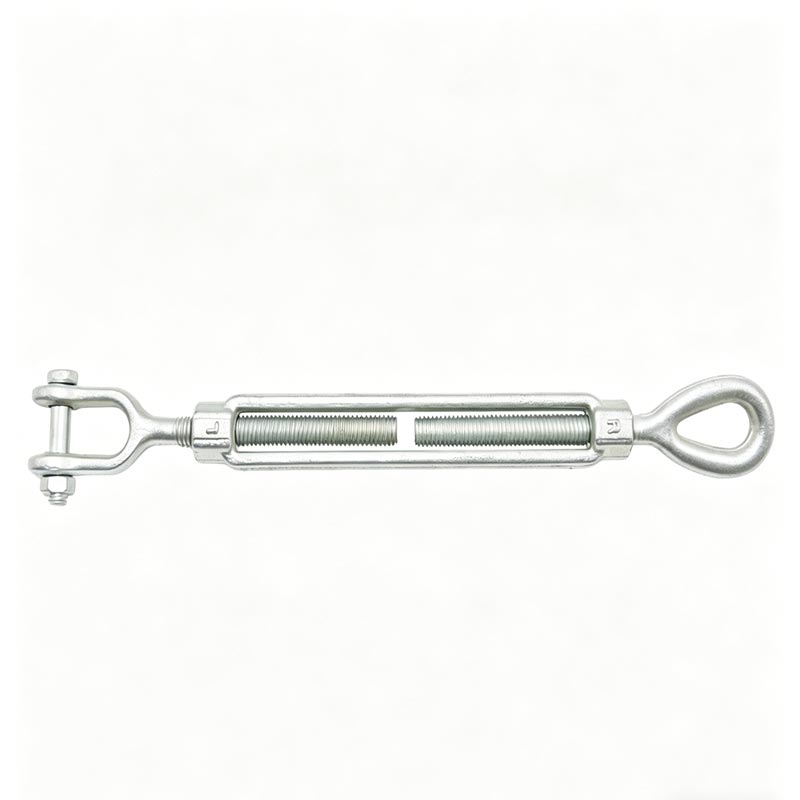
- Turnbuckles are used when tension adjustment is needed for cables, wire ropes, or tie systems.
- Wire rope clips help form eye loops or secure wire rope ends when installed correctly.
- Wire rope thimbles protect rope eyes from wear and deformation, especially at connection points.
- Rigging screws provide controlled adjustment for tensioning and alignment tasks.
For me, this variety is important because buyers rarely purchase one isolated item forever. A customer may begin with wire rope clips, then need thimbles, shackles, and turnbuckles for a fuller solution. A supplier that understands related categories can help reduce purchasing friction and keep specifications more consistent.
How Does Better Rigging Hardware Help Solve Common Buyer Pain Points?
The biggest advantage of quality Rigging Hardware is not only strength. It is predictability. Buyers want to know that the product will match the drawings, fit the connected parts, resist common field conditions, and arrive with stable workmanship. When these basics are handled well, the buyer spends less time fixing preventable problems.
| Buyer Pain Point | What Can Go Wrong | How Better Hardware Helps |
|---|---|---|
| Unclear product matching | The wrong clip, shackle, or turnbuckle is selected for the system | Clear size ranges and application guidance help buyers choose more accurately |
| Inconsistent batches | Products vary in finish, thread quality, shape, or dimensions | Stable production control supports repeat orders and distributor confidence |
| Outdoor corrosion | Hardware rusts too quickly in humid, marine, or exposed environments | Suitable surface treatment improves service life and product appearance |
| Installation issues | Threads jam, clips do not seat well, or fittings are difficult to align | Better machining and finishing make installation smoother |
| Slow sourcing | Buyers must contact several suppliers for related items | A wider category range helps consolidate purchasing |
I especially value suppliers that can support both standard product needs and market-specific preferences. A buyer in marine supply may care more about corrosion resistance. A distributor serving construction customers may care about price stability and fast-moving sizes. A cargo control buyer may focus on compatibility with straps, chains, hooks, and anchor points. The product may be called hardware, but the decision is never generic.
Is Rigging Hardware Only About Strength?
No, and this is where some buyers get trapped. Strength is essential, but it is not the full story. A strong product used in the wrong way can still fail. A fitting with a high load rating may perform poorly if the angle is wrong, the connected part is incompatible, or the environment is too corrosive for the finish. That is why I prefer to look at Rigging Hardware as part of a complete working system.
When I review a hardware option, I usually consider these practical details:
- Does the product match the actual working load instead of just the expected average load?
- Will the fitting work with the rope, cable, sling, hook, or chain already being used?
- Is the surface finish suitable for indoor storage, outdoor use, or marine exposure?
- Can workers inspect the product easily before use?
- Are the dimensions consistent enough for repeat assembly or resale?
- Does the supplier understand export packaging and documentation expectations?
These questions sound simple, but they separate serious sourcing from casual buying. In lifting and load restraint, simple questions often prevent expensive mistakes.
How Can Importers and Distributors Benefit From a More Complete Rigging Hardware Supply Range?
Importers and distributors need more than a product list. They need a supply partner that helps them serve different customers without restarting the sourcing process every time. A more complete Rigging Hardware range can support construction supply stores, marine dealers, transport equipment sellers, agricultural distributors, and industrial maintenance buyers.
From a business point of view, this brings several advantages:
- Cleaner purchasing plans because related items can be ordered together.
- Easier inventory building because common sizes and fast-moving models can be grouped by market demand.
- More confident customer service because the distributor can offer matching products instead of only one item.
- Better brand consistency because packaging, finish, and communication can remain aligned across categories.
- Less sourcing pressure because fewer suppliers are needed for daily rigging and cargo control needs.
This is one reason I would not treat rigging fittings as random accessories. For many buyers, they are repeat-purchase products. Once quality, price, and delivery become stable, the category can turn into a dependable part of the buyer’s supply chain.
What Makes a Supplier Easier to Work With When Buying Rigging Hardware?
A good supplier does not only answer “yes” to every request. I prefer suppliers that ask the right questions before confirming an order. That includes size, finish, quantity, intended use, packaging preference, and target market. This kind of communication may feel slower at first, but it often prevents disputes later.
For a buyer, the ideal supplier should offer:
- A practical range of rigging, cargo control, and load restraint products.
- Clear communication about size, material, finish, and application differences.
- Stable production experience for repeat orders.
- Export-ready packaging options for distributors and wholesalers.
- Support for product selection when buyers are comparing several similar fittings.
- Reasonable flexibility for market-specific requirements.
In my view, Ningbo Kingslings Import And Export Co., Ltd. fits well into this type of sourcing discussion because its product structure connects rigging fittings with related cargo control and load restraint categories. That matters for buyers who do not want to manage every item separately.
How Should I Start a Rigging Hardware Inquiry Without Wasting Time?
The fastest way to get a useful quote is to send more than just a product name. When I prepare an inquiry for Rigging Hardware, I include the key details that affect both price and suitability. This helps the supplier respond with a more accurate recommendation instead of a vague estimate.
| Inquiry Detail | Example Information to Provide |
|---|---|
| Product type | Shackle, turnbuckle, wire rope clip, thimble, D ring, or rigging screw |
| Size or standard | Diameter, length, thread size, opening size, or market standard |
| Material preference | Carbon steel, forged steel, malleable iron, stainless steel, or other required material |
| Surface treatment | Galvanized, hot-dip galvanized, electro-galvanized, painted, or plain finish |
| Application | Construction, marine, transport, agriculture, warehouse, industrial maintenance, or resale |
| Order plan | Estimated quantity, packaging needs, destination market, and delivery expectations |
When buyers provide these details early, the conversation becomes much more efficient. It also gives the supplier a chance to point out better alternatives if the original choice does not fully match the use case.
Why Would I Recommend Looking Beyond Price When Comparing Rigging Hardware?
Price matters. I would never pretend otherwise. But when a product is used to connect, lift, secure, or tension a load, the lowest price should not be the only decision point. A slightly cheaper item can become expensive if it causes installation trouble, customer complaints, shipment rejection, or safety concerns.
I would compare quotations by looking at the full value behind the product:
- Are the dimensions and finish consistent enough for resale?
- Does the supplier understand the difference between similar-looking items?
- Can the supplier help match the product to the application?
- Is the packaging suitable for export, storage, and distribution?
- Can the supplier support future repeat orders instead of only one shipment?
That is the more realistic way to buy. Good hardware supports safer work, smoother installation, and better customer confidence. Good sourcing supports your business long after the first invoice is paid.
How Can the Right Rigging Hardware Supplier Support Safer and Smoother Projects?
For me, the answer is simple. The right supplier helps buyers reduce uncertainty. With the right Rigging Hardware, crews can work with fittings that match the job, distributors can serve customers with more confidence, and project buyers can reduce the risk of delays caused by unsuitable components.
If you are sourcing shackles, turnbuckles, wire rope clips, thimbles, D rings, rigging screws, or related load connection products, now is a good time to review your specifications and compare options with a supplier that understands practical use. To discuss sizes, materials, surface treatments, packaging, or bulk order plans, leave an inquiry today or contact us to get product guidance and a quotation for your next rigging hardware order.