

How Can Octagonal Ring Joint Gasket Prevent Leakage in High Temperature Systems?
2026-04-23
Refineries, LNG terminals, petrochemical plants, offshore platforms, and steam service lines often operate under aggressive thermal cycling, vibration, pressure spikes, and flange stress relaxation. In these environments, standard soft sheet sealing materials may lose load retention after repeated heat-up and cool-down cycles. Once bolt tension drops, fugitive emissions, media seepage, or dangerous blowout conditions may follow.
This is why many operators specify Octagonal Ring Joint Gasket solutions for API flanges and pressure-containing joints. The metallic ring design creates a line-contact seal that becomes stronger under compressive load. Our engineering team has seen this design widely accepted in upstream and downstream assets where reliability is non-negotiable.
At Ningbo Kaxite Sealing Materials Co., Ltd, we support customers that need stable sealing performance in demanding duty cycles. Our factory focuses on precision machining, dimensional consistency, and material traceability so our products meet practical field expectations.
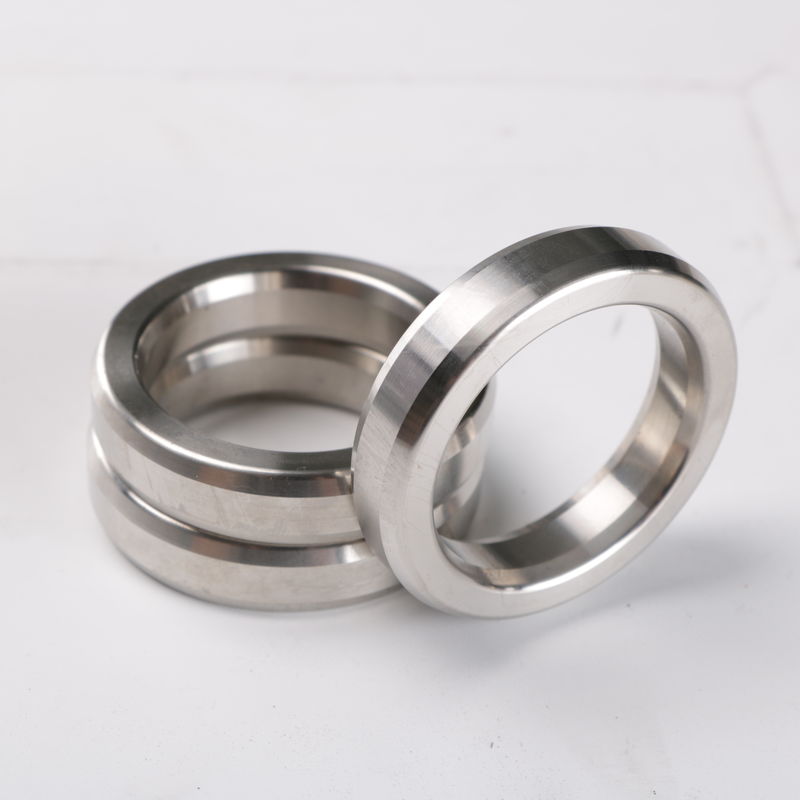
How Does Octagonal Geometry Build a Stronger Seal Under Heat?
The sealing principle relies on controlled plastic deformation between the ring and the groove faces of RTJ flanges. When bolts are tightened to specified torque values, the octagonal profile concentrates load on narrow contact bands. This generates high seating stress, allowing the metal to conform to minor machining marks while maintaining integrity at elevated temperature.
Compared with softer gasket styles, Octagonal Ring Joint Gasket products resist extrusion and creep far better. That makes them suitable for hydrocarbons, superheated steam, sour service, and process gas systems where pressure containment is critical.
Our production process uses calibrated CNC turning and surface finishing control. Our inspectors verify groove fit, hardness range, and dimensional tolerances before dispatch. Our customers in maintenance shutdown projects value predictable fit-up because every hour of downtime matters.
| Sealing Mechanism | Metal to metal line contact |
| Typical Service | High pressure flange joints |
| Thermal Stability | Excellent under cycling conditions |
| Blowout Resistance | High when installed correctly |
| Common Standards | ASME B16.20 API 6A |
What Material Grades Deliver Better Results in Real Plants?
Material selection should match flange hardness, process media, and corrosion exposure. Carbon steel rings are economical for non-corrosive service. Soft iron remains popular for general oilfield duty because it seats well. Stainless grades such as 304 and 316 are preferred where oxidation resistance or mild chemical exposure exists. For severe sour gas or chloride conditions, higher alloys may be required after engineering review.
Kaxite provides guidance based on operating data rather than guesswork. Our factory reviews pressure class, flange standard, medium composition, and turnaround objectives before recommending production batches.
Choosing the wrong hardness can damage grooves or reduce sealability. Choosing the wrong alloy can accelerate corrosion. Our practical recommendation is always to balance flange protection, service life, and procurement efficiency.
| Material | Main Advantage | Typical Use |
| Soft Iron | Good seating performance | General oilfield service |
| Low Carbon Steel | Cost effective | Utility lines |
| SS304 | Oxidation resistance | Steam and light chemical duty |
| SS316 | Better corrosion resistance | Marine and process systems |
| Special Alloy | Harsh media capability | Sour gas and critical duty |
Which Product Parameters Should Buyers Review Before Ordering?
Many sealing failures come from incomplete purchasing data rather than product defects. Before ordering Octagonal Ring Joint Gasket items, buyers should confirm ring number, flange rating, groove standard, material grade, hardness, quantity, and required certificates.
Typical parameters include outside diameter, cross section width, identification marking, surface finish, and dimensional tolerance according to the applicable standard. For export projects, our documentation can include heat numbers, material certificates, inspection reports, and packing lists.
Ningbo Kaxite Sealing Materials Co., Ltd works with distributors, EPC contractors, and plant maintenance teams. Our logistics team supports urgent turnaround schedules, while our factory maintains stable lead times for repeat demand.
When specified correctly, Octagonal Ring Joint Gasket units reduce rework, prevent flange damage, and improve shutdown efficiency.
How Should Installation and Maintenance Be Managed for Zero Leakage Goals?
Even premium sealing components can fail if installation practice is poor. Flange grooves must be clean, dry, and free from dents. Bolts should be lubricated where procedures allow, then tightened in a star pattern using calibrated torque tools. Multi-pass tightening helps distribute load evenly.
Never reuse heavily deformed metallic rings in critical service. During planned outages, inspect grooves for scoring and measure bolt condition. Replace damaged studs and nuts before recommissioning. Our field feedback shows that disciplined bolt-up practice often matters as much as component quality.
For systems exposed to repeated heat cycles, many operators schedule preventive replacement rather than waiting for visible leakage. This reduces environmental risk and avoids emergency downtime.
Our service team can assist with selecting the correct Octagonal Ring Joint Gasket for new construction or maintenance inventories.
FAQ
What temperature range can an Octagonal Ring Joint Gasket handle?
The workable range depends mainly on material grade, flange design, bolt load, and media. Stainless and alloy versions are commonly used in elevated temperature service where soft gaskets may lose load retention. Final limits should be matched to the actual operating code and plant conditions.
Why does leakage still happen after gasket replacement?
Common causes include damaged flange grooves, uneven bolt tightening, wrong ring size, reused hardware, or selecting a material incompatible with the process fluid. A full joint inspection is recommended instead of changing only one component.
How do I choose between oval and octagonal ring types?
Both are established RTJ styles. Octagonal designs generally provide higher seating stress because of the contact geometry and are widely preferred in higher pressure service. Groove compatibility and flange standard must always be confirmed before purchase.
Conclusion
Reliable flange sealing in high temperature systems depends on correct design, accurate dimensions, suitable metallurgy, and disciplined installation. Octagonal Ring Joint Gasket solutions remain a trusted choice for refineries, offshore assets, and critical process lines because they deliver durable metal-to-metal sealing under demanding conditions. Ningbo Kaxite Sealing Materials Co., Ltd combines manufacturing control, responsive service, and export experience to support your project needs. Contact our team today for sizing support, technical data, or a fast quotation from our factory.