

How Can Selecting the Correct Gasket Size Prevent Leakage in Critical Pipelines?
2026-04-17
Why Does Correct Gasket Sizing Matter So Much in Pipeline Service?
In refineries, LNG terminals, offshore platforms, and chemical processing plants, even a minor leak can create major downtime, safety exposure, and product loss. Many sealing failures are not caused by poor material quality alone. They often begin with an incorrect gasket size, wrong groove match, or uneven seating stress. That is why experienced maintenance planners treat dimensional accuracy as a first-line defense.
When flanges are designed for ring type joints, the sealing element must fit the groove profile precisely. An oversized part may crush unevenly, while an undersized part may fail to generate sufficient contact stress. Our field reviews regularly show that flange damage, torque inconsistency, and sizing mistakes are linked together.
Ningbo Kaxite Sealing Materials Co., Ltd supplies precision-machined sealing products for energy and industrial sectors where leak prevention is non-negotiable. Our factory supports standard and custom dimensions for urgent shutdown schedules and routine stock programs.
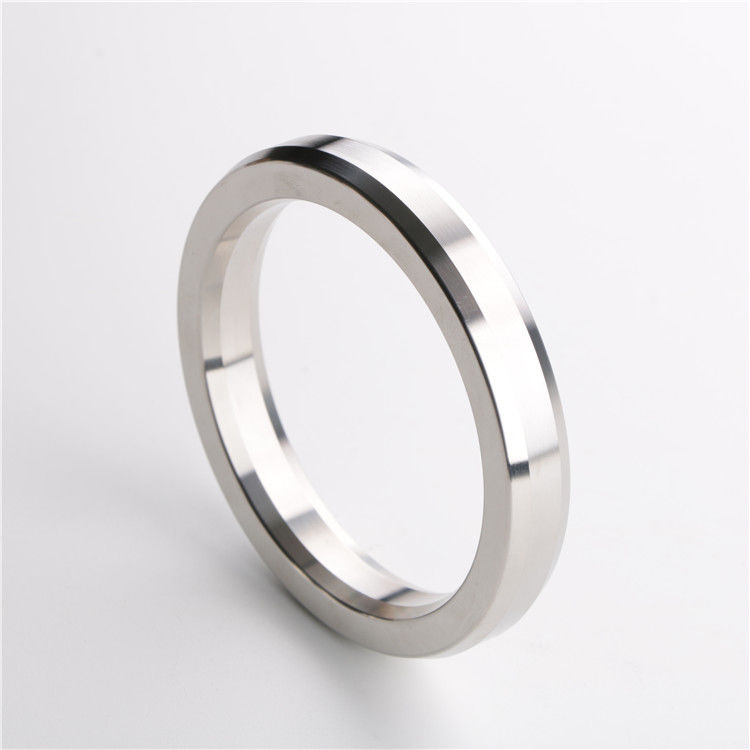
How Does an Octagonal Ring Joint Gasket Create a Reliable Seal?
The Octagonal Ring Joint Gasket is designed for high-pressure flanged connections using ring type joint grooves. Its octagonal profile creates line contact with the groove surfaces. As bolt load increases, the metal ring plastically deforms in a controlled way, producing a tight metal-to-metal seal suitable for severe service.
This design is widely used in upstream oil and gas, pressure vessel systems, steam lines, and critical transfer pipelines. Compared with soft sheet materials, it performs well under elevated pressure and temperature conditions when matched correctly to flange specifications.
Our engineering practice shows that sealing success depends on three factors: correct ring number, proper hardness selection, and clean groove surfaces. Our factory recommends flange inspection before every turnaround, especially in systems with repeated thermal cycling.
| Specification Item | Typical Range |
| Type | Octagonal Style |
| Standards | ASME B16.20, API 6A |
| Size Range | R11 to R105 and custom |
| Material Options | Soft Iron, SS304, SS316, Carbon Steel, Inconel |
| Pressure Class | 600 to 2500 and above |
| Surface Finish | Precision machined |
What Happens When the Wrong Size Is Installed?
Using the wrong ring number or mismatched dimensions can lead to immediate or delayed leakage. If the ring sits too high, bolt load may be consumed before proper seating occurs. If the ring bottoms out incorrectly, sealing stress may become uneven across the circumference. In both cases, operators may over-torque bolts and damage the flange.
An incorrectly selected Octagonal Ring Joint Gasket can also accelerate groove wear. Once groove faces are scarred, future shutdowns become more expensive because re-machining or flange replacement may be required. Our maintenance partners often identify sizing errors only after repeated seepage events.
Ningbo Kaxite Sealing Materials Co., Ltd advises users to verify flange standard, pressure class, nominal size, and groove condition before ordering replacements. Our team can cross-check legacy markings where original documentation is missing.
| Common Error | Possible Result |
| Wrong Ring Number | Poor seating and leakage |
| Incorrect Material Grade | Over-hard or under-sealing contact |
| Damaged Groove | Uneven compression path |
| Mixed Standard Components | Fitment failure during assembly |
| Reused Ring | Reduced sealing integrity |
How Should Buyers Select the Right Ring Joint for Critical Pipelines?
The first step is confirming the flange standard and rating. Different systems may use ASME, API, or customer-specific groove dimensions. The second step is choosing material compatible with media, corrosion level, and operating temperature. Sour service, chlorides, or high-temperature steam may require upgraded alloys.
The third step is reviewing bolt load capability and maintenance practice. A premium ring cannot compensate for stretched studs, contaminated grooves, or poor tightening sequence. Our service teams often recommend replacing worn studs during major outages to maintain even loading.
When ordering an Octagonal Ring Joint Gasket, buyers should provide ring number, material grade, quantity, and application details. Our factory can also support traceability marks, batch records, and export packing for international projects. Ningbo Kaxite Sealing Materials Co., Ltd works with EPC contractors, distributors, and plant maintenance teams needing dependable supply.
Which FAQ Answers Help Engineers Prevent Future Leakage?
How do I identify the correct ring number for an existing flange?
Check flange stamping, original drawings, or maintenance records. If markings are unclear, measure the groove dimensions and compare them with the relevant standard chart. This is safer than guessing based on pipe size alone.
Can an Octagonal Ring Joint Gasket be reused after dismantling?
Reuse is generally not recommended for critical service. Once compressed, the ring has undergone plastic deformation. Installing a new gasket helps restore proper sealing stress and reduces restart risk.
What material is best for corrosive pipeline media?
Material choice depends on exact fluid chemistry, temperature, and pressure. Stainless steel or nickel alloys are common upgrades, but compatibility should always be reviewed against service conditions and plant specifications.
Why Does Precision Supply Support Long-Term Pipeline Reliability?
Leak prevention is rarely about one component alone. It depends on correct dimensions, sound installation, and consistent product quality. A properly selected Octagonal Ring Joint Gasket protects uptime, reduces emissions risk, and lowers maintenance cost across the asset life cycle.
If your project requires replacement rings, shutdown stock, or custom-machined sealing solutions, contact our team today. Our factory is ready to review specifications, recommend the correct Octagonal Ring Joint Gasket, and deliver reliable support for your next pipeline maintenance program.