

How Do HDPE Pipe Standards Affect Project Compliance?
2026-02-04
At Ningbo Sunplast Pipe Co., Ltd., we understand that selecting the correct HDPE Pipe starts with knowing which standards apply. Our engineering team ensures that our pipes comply with ISO 4427 and ASTM D3035, which define key material properties including density, tensile strength, and environmental stress crack resistance.
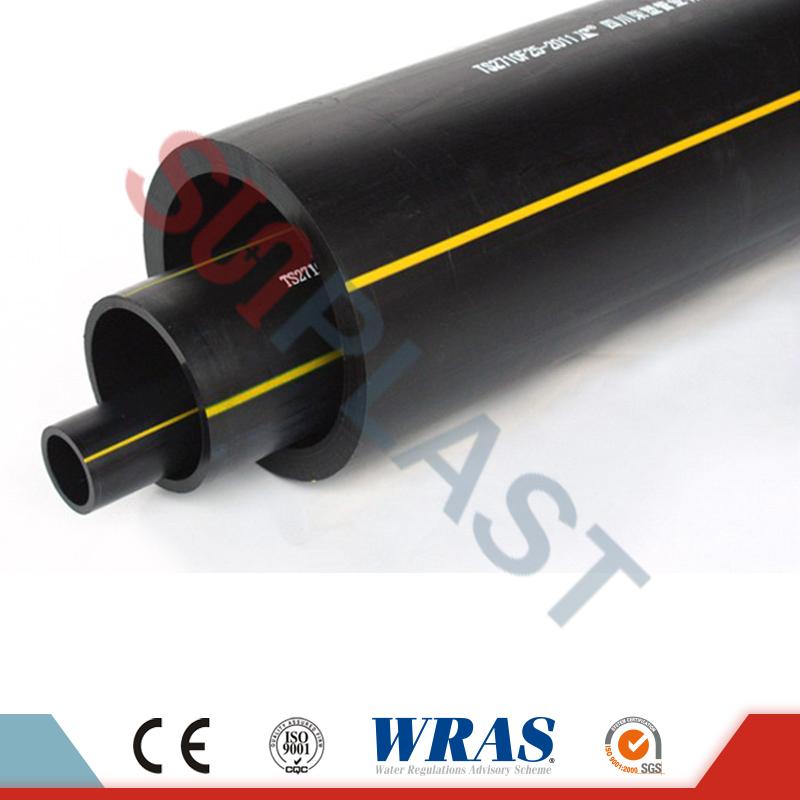
Choosing a compliant HDPE Pipe ensures long-term durability and reduces the risk of project delays caused by material failure. In our experience, contractors often underestimate the impact of standard selection on installation efficiency and regulatory approval.
| Property | ISO 4427 Standard | ASTM D3035 Standard |
| Material Density | 0.940-0.960 g/cm³ | 0.945-0.955 g/cm³ |
| Tensile Strength | ≥ 25 MPa | ≥ 24 MPa |
| Environmental Stress Crack Resistance | ≥ 500 hours | ≥ 480 hours |
| Operating Temperature | -40°C to 60°C | -40°C to 60°C |
Our commitment to following these standards ensures that our HDPE Pipe meets project specifications while supporting compliance with local regulatory requirements. Using non-standard materials often leads to inspection failures and additional costs for replacements.
What Installation Practices Ensure Compliance with HDPE Pipe Standards?
When installing HDPE Pipe, adherence to proper techniques is crucial. Our factory provides detailed guidelines covering jointing, fusion, and pressure testing procedures. For example, butt fusion and electrofusion must be executed according to the pipe’s SDR rating, which affects the pipe wall thickness relative to its diameter. Our experience shows that using trained personnel with the correct equipment significantly reduces leakage risks and inspection rejections.
| Installation Step | Recommended Procedure | Compliance Check |
| Pipe Alignment | Use proper supports and leveling tools | Alignment within 2 mm per meter |
| Butt Fusion | Follow ISO 21307 guidelines | Joint tensile strength ≥ 95% of pipe strength |
| Pressure Testing | Hydrostatic test at 1.5x operating pressure | No leakage or deformation allowed |
| Trenching and Backfilling | Layered backfill with compacted sand | Ensure proper support and stress distribution |
Our team consistently emphasizes the importance of following these steps to maintain HDPE Pipe compliance. Ignoring installation standards can compromise the pipe’s performance and result in project non-conformity during audits.
How Do HDPE Pipe Standards Affect Long-Term Project Reliability?
Ensuring that HDPE Pipe meets established standards directly influences project reliability. Our products are designed with high-density polyethylene that resists cracking, chemical corrosion, and UV degradation. This guarantees that pipelines maintain flow efficiency over time. We have observed that projects using compliant HDPE Pipe experience fewer maintenance incidents and reduced lifecycle costs compared to projects using non-standard alternatives.
Adhering to standards also provides legal protection and simplifies insurance coverage. Our engineering team regularly monitors industry updates to ensure that our HDPE Pipe remains compatible with evolving compliance requirements. This proactive approach enables clients to plan long-term operations with confidence, knowing that the materials meet both national and international standards.
Why Is Documentation Important for HDPE Pipe Compliance?
Documentation is a key factor in ensuring project compliance. Our factory provides detailed certification for each batch of HDPE Pipe, including material test reports, SDR ratings, and traceability information. This documentation is critical during audits, inspections, and warranty claims. Providing accurate and complete records demonstrates adherence to ISO and ASTM standards, and our clients consistently report smoother approval processes when they submit our certified HDPE Pipe documentation.
Our commitment to thorough documentation also reduces disputes with contractors and regulatory authorities. By keeping transparent records, our clients can prove that the correct materials were supplied and installed according to industry norms.
How Can Project Teams Verify HDPE Pipe Compliance Before Delivery?
Project teams can verify compliance through a combination of supplier validation, batch testing, and field inspection. At Sunplast, our quality assurance team performs rigorous checks before shipment. We provide certificates of conformity, pressure test results, and SDR compliance verification. Our clients often conduct random sampling on-site to confirm that the HDPE Pipe meets specified requirements before beginning installation.
By verifying compliance proactively, teams reduce the risk of installation delays and costly rework. Our experience indicates that early verification not only ensures regulatory conformity but also strengthens client confidence in our HDPE Pipe products.
How Do HDPE Pipe Standards Affect Project Compliance? FAQ
Q1: Can using non-standard HDPE Pipe affect project approvals?
A1: Yes, using HDPE Pipe that does not meet ISO or ASTM standards can lead to failed inspections, rejection by regulatory authorities, and additional costs for replacement materials, ultimately delaying project timelines.
Q2: How often should HDPE Pipe be tested to ensure compliance?
A2: HDPE Pipe should be tested for pressure, tensile strength, and dimensional accuracy both at the factory and after delivery. Our practice is to conduct these tests per batch, and field tests should be performed before installation to confirm compliance.
Q3: Does documentation alone guarantee compliance?
A3: While documentation is essential, compliance also depends on proper handling, installation, and adherence to standards on-site. Our factory ensures that each HDPE Pipe comes with complete test certificates, but project teams must follow installation guidelines to achieve full compliance.
In conclusion, understanding how HDPE Pipe standards affect project compliance is essential for successful construction and long-term reliability. Our factory at Ningbo Sunplast Pipe Co., Ltd. ensures that every product meets international standards, with complete documentation, rigorous quality testing, and guidance on proper installation. By choosing our HDPE Pipe, you benefit from reliable performance, regulatory conformity, and reduced maintenance costs. Contact us today to learn more about our solutions and request a customized quote for your project.