

How Do Smart Steam Traps Transform Industrial Energy Efficiency?
2026-01-05
As an organization with decades of experience in fluid control, we understand the foundational role that steam traps play in industrial plant safety and efficiency. Neglecting these critical components can lead to far more than just energy waste it can create severe safety hazards. Proper Steam Trap maintenance is not merely a cost-saving measure it is a fundamental pillar of operational integrity and personnel protection.
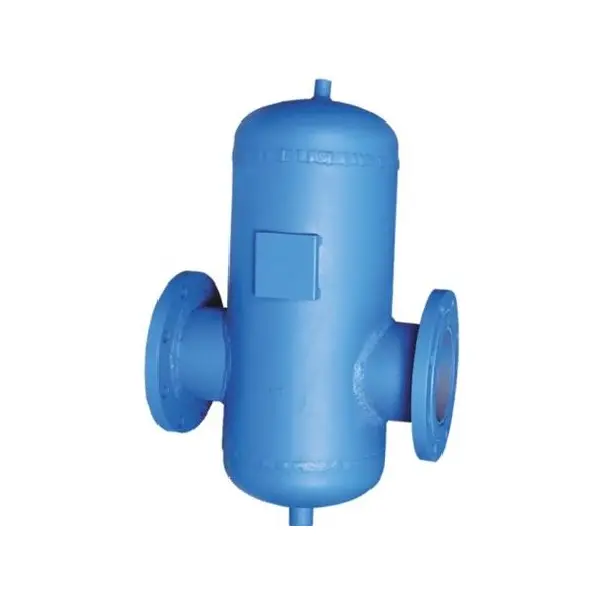
The Direct Link Between Steam Trap Failure and Plant Hazards
Failed or malfunctioning Steam Traps compromise system performance in several dangerous ways. Primarily, they lead to condensate buildup. This accumulated water can cause catastrophic water hammer events, where high-pressure steam meets stationary water, creating destructive pressure waves that can rupture pipes and fittings. Such incidents pose immediate physical dangers to personnel from flying debris and scalding steam. Furthermore, leaking traps force the boiler to work harder to maintain pressure, straining the entire system and increasing the risk of overpressure situations. In our factory, we design our traps with these risks in mind, ensuring robust construction to contain system pressures when properly maintained.
Operational Efficiency and Underlying Safety Benefits
While safety is paramount, the efficiency gains from a well-maintained steam trap program directly contribute to a safer environment. Efficient Steam Traps ensure consistent process temperatures, which is vital for stable and predictable operations. This stability prevents unexpected process upsets that could lead to volatile situations. Moreover, maintaining thermal efficiency reduces the fuel demand on boilers, lowering the overall thermal load and stress on equipment. Our commitment at Zhejiang Taian Valve Co., Ltd. is to provide reliable Steam Traps that uphold both efficiency and safety standards, helping to create a more predictable and controlled plant environment.
Zhejiang Taian Valve Co., Ltd. Steam Trap Product Parameters
Our product range is engineered for durability, precision, and ease of maintenance, all critical for long-term safety performance. Below are key parameters for our flagship inverted bucket steam trap series, known for its reliability in critical applications.
| Model Series | Maximum Pressure (Bar) | Maximum Temperature (C) | Body Material | Connection Type | Key Safety Feature |
| TA IB-100 | 45 | 400 | Forged Carbon Steel | Screwed (NPT) | All-stainless steel internals for corrosion resistance |
| TA IB-200 | 100 | 525 | Forged Chrome Moly Steel | Flanged (RF) | Redundant sealing system for high-pressure containment |
| TA IB-300 | 20 | 250 | Stainless Steel 316 | Screwed (BSP) | Fail-safe design to fail open or closed per client specification |
We manufacture these Steam Traps in our factory with rigorous quality control. Each trap is tested to ensure it meets its specified parameters, because we believe reliable performance is the first line of defense in plant safety. Our design philosophy prioritizes predictable failure modes and ease of inspection.
Implementing a Proactive Maintenance Strategy
A reactive approach to Steam Trap repair is a significant safety gamble. We advocate for a scheduled inspection and maintenance program using ultrasonic or temperature-based testing. Identifying and replacing a failing trap before it leaks excessively prevents the safety domino effect. Our traps are designed for serviceability, with many models allowing for in-line maintenance without removing the trap body from the pipe, reducing downtime and technician exposure to live lines. The robustness of our products from Zhejiang Taian Valve Co., Ltd. supports such proactive strategies, extending service intervals while maintaining safety margins.
FAQs on Steam Trap Maintenance and Plant Safety
Q1: Why does a small steam trap leak pose a major safety risk?
A small leak often indicates a trap is failing. Beyond energy loss, it signifies that condensate is not being evacuated properly, setting the stage for water hammer. Furthermore, even a minor leak can erode piping over time through wire drawing, potentially creating a weak point that fails under pressure. Constant steam leaks also degrade the local environment, potentially causing slip hazards or damaging insulation, which exposes hot surfaces.
Q2: How often should Steam Traps be inspected for safety purposes?
Inspection frequency depends on the criticality of the application and operating pressure. For high-pressure and critical safety processes, ultrasonic inspections should be conducted quarterly. For general applications, a semi-annual check is a minimum. After any major system upset or water hammer event, immediate inspection of all traps in the affected zone is crucial. Our factory recommends creating a trap inventory and maintenance log to track performance and predict failures.
Q3: What are the key features to look for in a Steam Trap to enhance long-term safety?
Prioritize robust construction materials suitable for your operating pressure and temperature. Look for designs with simple, reliable mechanisms like the inverted bucket, which are less prone to failure than delicate thermostatic elements in dirty conditions. Features like built-in strainers and blow-down valves aid in maintenance. Always source traps from certified manufacturers like Zhejiang Taian Valve Co., Ltd. to ensure they are manufactured and tested to international standards, guaranteeing their pressure containment integrity.
Conclusion: An Investment in Reliability and Protection
Ultimately, viewing Steam Trap maintenance through a safety lens transforms it from a routine task into a critical safeguard. The choice of trap supplier is equally important. We are committed to providing products that deliver not just efficiency, but also peace of mind. By specifying reliable Steam Traps and adhering to disciplined maintenance, plants protect their most valuable assets: their people and their physical infrastructure. It is our mission to support that goal with every component we produce.