

How Does Pressure Class Impact the Design of a Flange Insulating Gasket?
2026-05-14
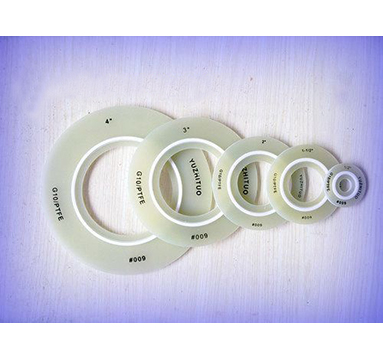
Flange Insulating Gasket Sets are critical for maintaining electrical isolation and preventing galvanic corrosion in piping systems. The pressure class directly affects the required thickness, compressive strength, and selection of insulating materials. Higher pressure systems demand gaskets that can withstand both mechanical load and thermal expansion while preserving dielectric integrity. Our engineers at our factory ensure that each Flange Insulating Gasket Set meets the specific pressure requirements without compromising performance.
Ningbo Kaxite Sealing Materials Co., Ltd. designs our gaskets for pressure classes ranging from PN6 to PN40, carefully balancing flexibility and strength. Our experience shows that improper selection of thickness or material can lead to leakage, premature wear, and compromised insulation.
How Do Temperature and Pressure Interact in Gasket Performance?
Temperature fluctuations in industrial piping systems influence the sealing performance of Flange Insulating Gasket Sets. Elevated temperatures reduce material stiffness, while pressure increases the stress on flange faces. Our factory uses materials with stable dielectric strength and low creep properties to ensure consistent sealing under combined pressure and thermal cycles. Our team customizes each set according to operating temperature, medium, and system pressure, reducing the risk of leakage and electrical failure.
Our design approach also includes consideration of bolt torque and flange surface finish, ensuring that our Flange Insulating Gasket Sets maintain optimal contact without overstressing the material. Ningbo Kaxite Sealing Materials Co., Ltd. routinely performs pressure testing to validate the durability of our products.
| Pressure Class | Recommended Material | Thickness (mm) |
| PN6 | PTFE coated fiber | 2.0-3.0 |
| PN10 | G10 laminate | 2.5-3.5 |
| PN16 | Glass-reinforced epoxy | 3.0-4.0 |
| PN25 | High-strength G11 | 4.0-5.0 |
| PN40 | Custom composite | 5.0-6.0 |
What Design Adjustments Are Necessary for Corrosive Environments?
Corrosive fluids accelerate degradation of flange interfaces. Our Flange Insulating Gasket Sets are engineered with materials that resist chemical attack while preserving insulating properties. Our factory evaluates compatibility with acids, alkalis, and solvents, ensuring long-term system integrity. We also optimize surface finish and gasket geometry to prevent stress concentration that may cause leakage in high-pressure corrosive applications.
Our team at Ningbo Kaxite Sealing Materials Co., Ltd. customizes each set based on chemical resistance requirements, system pressure, and operational temperature to achieve reliable sealing and electrical isolation.
How Does Bolt Load Affect the Design of Insulating Gaskets?
Bolt torque directly influences flange sealing and electrical insulation. Too low a torque can allow leakage and electrical conduction, while excessive torque may crush the insulating material. Our Flange Insulating Gasket Sets are designed with optimized thickness and compressive strength to achieve uniform load distribution. Our factory provides torque recommendations tailored to each pressure class, ensuring consistent field performance and preventing premature gasket failure.
| Pressure Class | Recommended Bolt Torque (Nm) | Flange Gap Allowance (mm) |
| PN6 | 20-30 | 0.5-1.0 |
| PN10 | 30-45 | 0.8-1.2 |
| PN16 | 50-70 | 1.0-1.5 |
| PN25 | 80-100 | 1.2-1.8 |
| PN40 | 120-150 | 1.5-2.0 |
What Are Common Questions About Pressure Class and Flange Insulating Gaskets?
Q1: How does selecting the wrong pressure class affect gasket life?
A1: Using a gasket rated for lower pressure in a high-pressure system can lead to material compression, leakage, and potential electrical conduction. Selecting a proper pressure class ensures the Flange Insulating Gasket Sets maintain mechanical and dielectric integrity over time.
Q2: Can Flange Insulating Gasket Sets be reused after disassembly?
A2: Reuse is not recommended because flange deformation and material creep can reduce sealing efficiency. Our factory advises replacing gaskets whenever the flange is disassembled to guarantee optimal pressure and insulation performance.
Q3: What factors determine the optimal gasket thickness for a given pressure?
A3: Optimal thickness depends on flange finish, bolt torque, operational pressure, temperature, and chemical exposure. Our engineers at Kaxite calculate thickness to balance compression, sealing force, and insulation requirements for each Flange Insulating Gasket Set.
Why Partnering with a Reliable Supplier Ensures Better Gasket Performance?
The performance of Flange Insulating Gasket Sets is not only about material selection but also manufacturing precision, quality control, and technical support. Our factory implements strict inspection protocols, consistent production processes, and ongoing R&D to improve dielectric strength and mechanical reliability. Our customers benefit from our ability to provide customized solutions that align with system pressure, temperature, and chemical compatibility.
If you need guidance on selecting the right Flange Insulating Gasket Sets for your application, contact our team at Ningbo Kaxite Sealing Materials Co., Ltd. We offer design assistance, material recommendations, and supply options tailored to industrial piping systems.
Summary: Understanding how pressure class impacts flange insulating gasket design is critical for ensuring mechanical integrity, electrical isolation, and long-term reliability. By considering operating pressure, temperature, bolt load, and chemical exposure, our Flange Insulating Gasket Sets provide dependable performance in diverse industrial applications. Contact our team today to discuss your specific requirements and obtain high-quality solutions for your piping systems.