

How PTO Shaft Compatibility Affects the Performance of Agricultural Implements?
2025-12-01
Understanding how power transfer works between tractors and implements is essential for stable field performance. Many operational issues originate from compatibility gaps between the power take off system and the attachment. When the PTO Shaft is matched correctly with torque demands, input speed, and joint configuration, the entire implement operates with higher accuracy and less downtime. At our factory, we focus on helping users understand these compatibility factors from a practical engineering perspective.
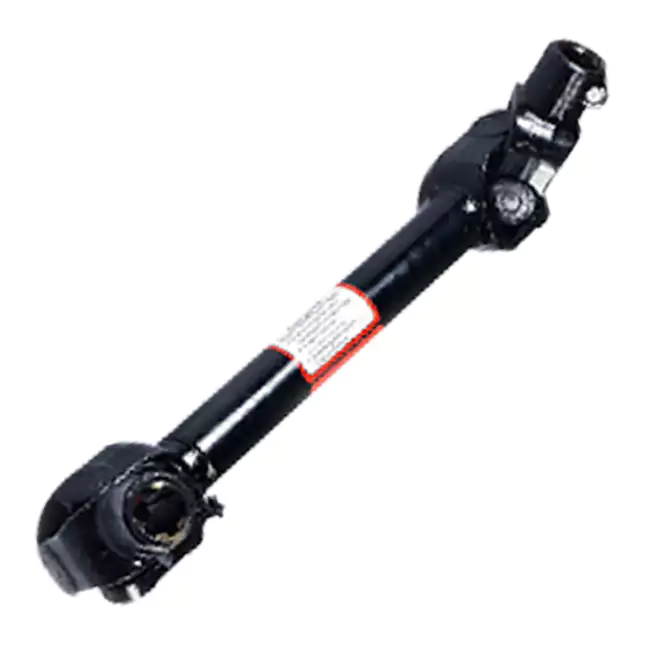
Power Match Between Tractor Output and Implement Demand
The power delivery setup plays a central role in the operational stability of agricultural machinery. When a PTO Shaft is not aligned with the output speed or horsepower range required by the implement, field performance drops significantly. Raydafon Technology Group Co.,Limited emphasizes the importance of evaluating torque ratings, input speed windows, and connection tolerances before final installation. From our engineering experience, an improper power match leads to overheating, rapid wear, and inconsistent implement response.
Structural Configuration and Joint Geometry
Joint angle capability affects how effectively power can transfer when the tractor operates on uneven terrain. A PTO Shaft with insufficient angular tolerance creates vibration at higher load points. Our testing indicates that universal joint geometry must be optimized for real field motion instead of theoretical alignment. Matching shaft length and telescoping range is also essential for avoiding compressive shock during tight turns or slope transitions. At our factory, adjustable length solutions help operators maintain smoother motion across various soil conditions.
Material Composition and Durability Under Continuous Load
The durability of mechanical components depends heavily on steel composition, heat treatment precision, and surface finishing. When Raydafon Technology Group Co.,Limited develops new driveline solutions, the focus is on wear resistance and long cycle stability. A PTO Shaft made with inconsistent hardening depth or low fatigue strength will behave unpredictably when subjected to repetitive torque spikes. Our inspection practices ensure that every component runs within controlled tolerances, reducing the risk of operational interruptions in long working sessions.
Technical Parameters of Our PTO Compatible Components
Below is a technical overview of several component specifications designed to improve system compatibility. These specifications reflect load tests and long cycle evaluations from our factory.
| Parameter | Specification | Description |
| Torque Rating | 300 to 1200 Nm | Supports common agricultural implement loads |
| Input Speed Range | 540 and 1000 rpm | Matches standard tractor output categories |
| Tube Material | High strength alloy steel | Improves fatigue resistance under repetitive shock |
| Joint Angle Capability | Up to 25 degrees | Allows stable motion on rough terrain |
| Length Adjustment Range | 300 to 600 mm | Accommodates diverse implement geometries |
Performance Stability Under Field Conditions
Field conditions are rarely consistent. Soil moisture, debris accumulation, and unexpected resistance require dynamic adjustment. When operators use a PTO Shaft with the correct length, protection device, and joint configuration, response time improves significantly. Our monitoring in real agricultural environments shows that properly aligned drive components maintain consistent implement rhythm and reduce fuel consumption. At our factory, field verification is a core process before releasing new driveline models.
Extended Compatibility Testing in Our Facility
Raydafon Technology Group Co.,Limited conducts controlled simulation programs to measure how components respond to long cycle load shifts. This testing ensures that compatibility is validated beyond theoretical calculation. Our procedures include dynamic torsion assessments and accelerated wear tests. By optimizing tolerance thresholds, we help operators maintain long term stability in equipment powered through a PTO Shaft.
Additional Technical Configuration Data
The following data table summarizes structural features that influence compatibility. Each attribute has been validated through field trials and laboratory evaluation from our factory.
| Feature | Value | Impact on Performance |
| Telescoping Style | Square or star profile | Improves power stability during direction changes |
| Surface Coating | Corrosion resistant finish | Extends operational lifespan |
| Safety Device Type | Slip clutch or shear bolt | Protects components from overload events |
| Lubrication System | Grease nipple integrated | Reduces joint wear in long operating periods |
| Connection Standard | Category 1 to Category 3 | Ensures compatibility with a wide range of tractors |
Frequently Asked Questions
How can equipment operators determine whether the driveline is correctly matched with the tractor?
Operators should compare the rated torque and speed of the PTO system with the input requirements of the implement. Proper matching ensures stable rotation across load variations. Verifying the length adjustment range also helps prevent compressive shock during turning or slope movement.
Why does joint angle tolerance matter during field operation?
Joint angle tolerance influences how smoothly the driveline can rotate when the tractor experiences elevation shifts or direction changes. A system with inadequate angle capability produces vibration that reduces implement accuracy and accelerates joint wear.
What steps improve long term stability when using a driveline assembly?
Regular lubrication, alignment verification, and correct installation of overload protection devices significantly increase stability. Ensuring that shaft length and telescoping capacity match the implement geometry is equally important for safe long cycle operation.
Conclusion
Choosing the right driveline configuration is essential for improving implement efficiency, stability, and long term reliability. By ensuring compatibility in power rating, joint geometry, protection systems, and structural design, operators experience smoother operation and fewer mechanical disruptions. Our engineering team continues to support users with practical guidance and high durability components built for demanding field conditions. For technical assistance or customized solutions, contact our factory to receive professional support tailored to your specific equipment requirements.