

How to Avoid The Common Mistakes When Using Gasket Tape in Industrial Settings?
2026-01-29
In industrial environments, gasket tape is essential for sealing pipelines, valves, and equipment. At Ningbo Kaxite Sealing Materials Co., Ltd., we have observed that many failures arise from improper surface preparation, incorrect tape selection, or uneven application. Our experience shows that ensuring the correct surface cleanliness and using the appropriate gasket type can dramatically increase the service life of gaskets. Gaskets must match the operational temperature, chemical exposure, and pressure levels to prevent leaks or premature damage. By carefully assessing these factors, our team ensures each project achieves maximum efficiency and safety.
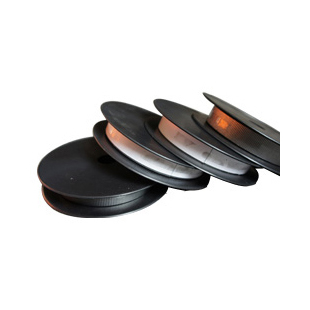
How Can Proper Installation Techniques Reduce Gasket Tape Issues?
Many industrial technicians overlook the importance of precise installation when applying gasket tape. Our factory emphasizes that the tape must be applied with consistent tension and alignment to avoid wrinkling or gaps. Gaskets require uniform compression across the flange, and uneven torque can lead to leaks. We recommend using torque-calibrated tools and following manufacturer guidelines to guarantee optimal performance. Additionally, our team advises inspecting equipment surfaces for corrosion or irregularities before installation to maintain the integrity of the seal.
| Gasket Type | Temperature Range | Chemical Compatibility | Recommended Torque |
| PTFE Gasket Tape | -200 to 260°C | Acids, Alkalis, Solvents | 10-15 Nm |
| Graphite Gasket Tape | -50 to 450°C | Steam, Oils, Acids | 12-18 Nm |
| Rubber-Based Gasket Tape | -40 to 120°C | Water, Mild Chemicals | 8-12 Nm |
What Are the Most Common Mistakes in Selecting Gasket Tape Materials?
Choosing the wrong material is a frequent error that can lead to severe operational issues. At our factory, we guide clients to evaluate temperature limits, pressure ratings, and chemical exposure before selecting gaskets. For example, using a low-temperature rubber tape in a high-pressure steam line can result in rapid degradation. Our experience demonstrates that using high-quality materials such as PTFE or graphite ensures long-term performance. Additionally, our engineers advise considering flexibility and compressibility to accommodate flange irregularities.
How Does Environmental Exposure Affect Gasket Tape Performance?
Industrial environments often expose gaskets to moisture, UV radiation, and fluctuating temperatures. Ningbo Kaxite Sealing Materials Co., Ltd. recommends using tapes with protective coatings or high chemical resistance for outdoor or harsh applications. Our factory performs rigorous testing under simulated industrial conditions to ensure gaskets maintain their sealing capability over extended periods. Ignoring environmental factors can lead to premature failures, increased maintenance costs, and safety hazards. We emphasize monitoring operational conditions and choosing products that meet these requirements.
| Application | Recommended Gasket | Key Feature | Service Life |
| High-Pressure Steam Line | Graphite Gasket Tape | High Temperature Resistance | 5-7 Years |
| Chemical Processing Pipe | PTFE Gasket Tape | Chemical Inertness | 6-8 Years |
| Water Treatment Equipment | Rubber-Based Gasket Tape | Flexibility & Compression | 3-5 Years |
What Maintenance Practices Can Prolong the Life of Industrial Gaskets?
Regular maintenance is crucial for avoiding gasket failures. Our team at Kaxite Sealing advises scheduled inspections for wear, compression loss, or chemical damage. Our factory implements monitoring programs for high-pressure systems to detect minor leaks before they escalate. Cleaning flange surfaces and re-torquing bolts periodically can extend gasket life significantly. We also recommend storing unused gasket tape in dry conditions away from UV exposure to maintain material integrity.
FAQ on How to Avoid The Common Mistakes When Using Gasket Tape in Industrial Settings?
Q: What is the correct surface preparation before applying gasket tape?
A: The surface must be cleaned of oil, rust, and debris. Our factory suggests using a wire brush or solvent to ensure full contact. Proper preparation prevents uneven compression and potential leaks.
Q: How can I ensure gasket tape is applied without wrinkles or gaps?
A: Use steady tension and align the tape along the flange edge. Our experience shows that even small misalignments can reduce seal efficiency. Torque-calibrated tools are recommended for uniform pressure.
Q: How often should industrial gaskets be inspected for performance?
A: We recommend inspections at least every six months in high-pressure or high-temperature systems. Checking for wear, compression loss, or chemical damage helps prevent failures and maintains safety standards.
Conclusion
Correct usage of gasket tape in industrial settings requires attention to material selection, installation technique, environmental considerations, and maintenance practices. Our gaskets from Ningbo Kaxite Sealing Materials Co., Ltd. are engineered to meet these challenges, providing durability, chemical resistance, and reliable performance. By following our guidelines and applying proper installation and maintenance methods, our customers can significantly reduce failures and downtime. For professional assistance and high-quality industrial sealing solutions, contact our factory today and discover how our expertise can optimize your operations.