

How to Choose Spiral Wound Gaskets for Corrosive Media Applications?
2026-01-29
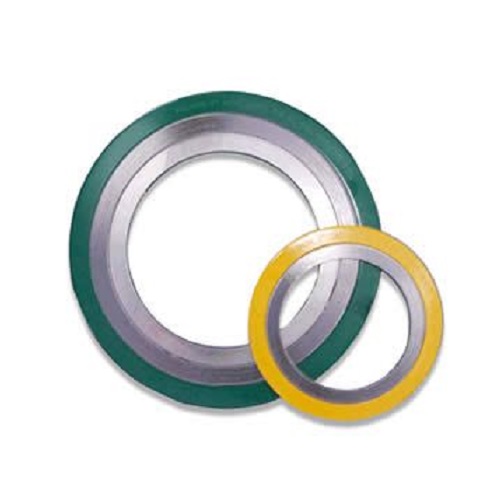
When handling aggressive chemicals or highly corrosive fluids, the choice of a Spiral Wound Gasket is crucial to ensure reliable sealing and extended service life. At Ningbo Kaxite Sealing Materials Co., Ltd., our team emphasizes understanding the chemical compatibility of the metal core and filler material with the medium. Our gaskets typically combine a stainless steel winding with flexible graphite or PTFE fillers, offering high resistance to both corrosion and temperature fluctuations. Selecting the correct combination helps prevent leaks, reduces maintenance frequency, and ensures safety during operation. Our factory engineers always assess the application conditions, including temperature, pressure, and media type, to recommend the most suitable design.
How Do Operating Conditions Influence the Choice of Spiral Wound Gaskets?
Temperature and pressure are key factors in determining which Spiral Wound Gasket to use for corrosive media. Our products can withstand a broad range of operating conditions, with temperature ratings from -200°C to 550°C depending on the filler used. For high-pressure applications, our factory often recommends gaskets with a higher metal content to enhance strength and compressibility. Corrosive media such as acids or alkaline solutions demand specific filler materials like PTFE or flexible graphite. By analyzing the operating pressure, temperature, and chemical environment, our engineers at Ningbo Kaxite Sealing Materials Co., Ltd. ensure that the selected gasket will maintain integrity under extreme conditions.
What Are the Key Dimensions and Standards to Consider for Spiral Wound Gaskets?
Correct sizing is critical for proper sealing performance. Our Spiral Wound Gaskets are manufactured according to international standards including ASME B16.20 and EN 1514, ensuring compatibility with flanges and pressure classes. Our factory provides both standard and customized sizes to meet unique installation requirements. Dimension factors such as inside diameter, outside diameter, and thickness directly affect gasket compression and sealing efficiency. By following precise measurements, our products achieve a balance between flexibility and structural strength.
| Parameter | Specification |
| Material of Winding | 304 Stainless Steel, 316 Stainless Steel |
| Filler Material | Flexible Graphite, PTFE |
| Temperature Range | -200°C to 550°C |
| Pressure Rating | Up to 250 Bar |
| Size Range | DN15 to DN2000 |
How Can We Ensure Chemical Compatibility and Longevity of Gaskets?
Corrosive media can quickly degrade unsuitable gaskets, leading to leaks and unplanned downtime. Our approach at Ningbo Kaxite Sealing Materials Co., Ltd. involves selecting filler materials specifically engineered to resist chemical attack. Flexible graphite offers excellent stability against strong acids, while PTFE provides high resistance against alkalis and solvents. Our factory also applies protective coatings to metal windings when necessary, enhancing corrosion resistance. By combining precise material selection with rigorous testing, our products maintain long-term sealing performance even in aggressive chemical environments.
| Filler Material | Compatible Media |
| Flexible Graphite | Acids, Steam, Hot Oils |
| PTFE | Alkalis, Solvents, Corrosive Chemicals |
| Metal Core | 304/316 Stainless Steel, Inconel Options |
Why Are Installation and Maintenance Practices Essential for Optimal Performance?
Even the best Spiral Wound Gaskets will fail if installed incorrectly. Our factory provides detailed installation guidelines to ensure proper compression and alignment. It is important to torque the bolts evenly and follow recommended sequences to avoid over-compression or uneven sealing. Our products are designed for easy inspection and replacement, reducing downtime. By following proper maintenance practices, our engineers ensure that the gaskets continue to perform reliably throughout their service life.
Frequently Asked Questions
Q1: How do I determine the best filler material for my corrosive media?
Choosing the correct filler requires evaluating the chemical composition, concentration, and temperature of the media. Flexible graphite works well with strong acids and steam, while PTFE is suitable for alkalis and solvents. Our factory recommends analyzing media conditions and matching them with the corresponding filler to ensure long-term sealing.
Q2: What pressure and temperature considerations should I account for?
The operating pressure and temperature directly influence gasket selection. Our products can withstand pressures up to 250 Bar and temperatures ranging from -200°C to 550°C. Ensuring that the gasket’s ratings exceed the system requirements prevents deformation or leakage over time.
Q3: Can Spiral Wound Gaskets be reused after removal?
Reusing gaskets is not recommended, especially in corrosive applications. Our factory advises replacement after removal to maintain sealing integrity. Metal cores and fillers can deform during use, and corrosion may weaken the structure, leading to potential failures if reused.
Conclusion
Our Spiral Wound Gaskets are designed with precise material selection, international standards, and rigorous testing to meet the demands of corrosive media. By choosing the correct winding, filler material, and dimensions, and following proper installation practices, our products provide reliable, long-term sealing solutions. Ningbo Kaxite Sealing Materials Co., Ltd. is committed to supporting our clients with professional guidance and high-quality gaskets. Contact our technical team today to select the right Spiral Wound Gasket for your application and ensure safety and efficiency in your operations.