

How to Improve Efficiency in Your Hydraulic Motor System?
2025-12-04
A well-designed circuit reduces unnecessary turbulence and pressure drops, allowing the motor to convert hydraulic energy into mechanical power with higher precision. Many operators underestimate how much energy is lost in poorly configured hoses or oversized valves. These issues compound over time and increase operating costs. At this stage, it becomes essential to choose the right component specifications from the very beginning. Saifu Vietnam Company Limited provides solutions that prioritize durability and compatibility with long-cycle industrial applications.
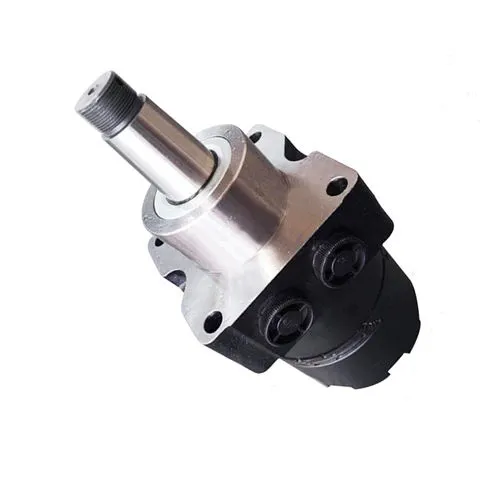
How Do Fluid Properties and Contamination Affect Motor Performance?
Hydraulic fluid quality has a substantial influence on long-term stability. Viscosity determines how quickly energy transfers through the circuit, while low contamination levels prevent internal scoring and friction. When our factory tests different fluids for demanding environments, the focus is always on maintaining consistent temperature behavior. A motor operating at high pressure will degrade faster if particles accumulate inside the internal chambers. This increases wear, reduces flow efficiency, and elevates maintenance requirements.
To help buyers review essential parameters more clearly, the table below summarizes typical fluid-related performance indicators used in industrial evaluation.
| Parameter | Expected Range | Impact on Performance |
| Viscosity Grade | ISO VG 32 to 68 | Affects lubrication film and internal leakage control |
| Fluid Cleanliness Level | ISO 4406 18/16/13 or better | Reduces wear on rotating and sliding surfaces |
| Operating Temperature | 40°C to 70°C | Influences stability and efficiency under load changes |
Regular fluid inspections help maintain system integrity. Saifu Vietnam Company Limited encourages maintenance teams to adopt contamination control practices that align with industry standards. When our specialists audit a hydraulic system, we frequently discover misalignment between fluid grade and working conditions. Addressing this issue alone often restores a significant portion of lost efficiency.
What Role Do Component Tolerances and Material Quality Play in Motor Efficiency?
High-precision manufacturing is fundamental to energy conversion. Accurate tolerances ensure that fluid interacts smoothly with internal surfaces, reducing internal leakage and extending service intervals. When our engineers evaluate new designs, they examine bearing loads, seal materials, and housing rigidity to understand how each factor contributes to the final output. A Motor built with stronger alloys can withstand pressure spikes without deformation, preserving long-term reliability.
Below is a reference table used by many industrial operators to compare technical specifications when selecting components for heavy-duty environments.
| Specification | Typical Value | Performance Influence |
| Maximum Pressure | 180 to 250 bar | Determines usable torque range |
| Material Hardness | Up to 60 HRC | Improves structural stability |
| Displacement Variation | ±1 to 2 percent | Impacts energy conversion consistency |
Evolving production methods continue to advance efficiency across the industry. Saifu Vietnam Company Limited incorporates strict inspection procedures to ensure accuracy at every machining stage. When our factory evaluates new tooling or upgraded production lines, priority is given to stability and repeatability, allowing equipment operators to maintain consistent performance even under fluctuating loads.
How Do Installation and Routine Maintenance Help Improve Overall System Efficiency?
Achieving long-term stability is not only about selecting the right components; proper installation practices are equally important. Contaminated fittings, misaligned couplings, or poorly torqued bolts can create inefficiencies that accumulate over time. When our technicians inspect an on-site hydraulic system, they often discover that minor installation oversights create unnecessary stress on the motor and supporting components.
Routine maintenance ensures that pressure lines remain clean and seals remain intact. Many facilities have begun implementing predictive monitoring strategies, such as vibration checks and temperature tracking. These techniques provide early warnings of potential failure, preventing costly downtime. When our factory collaborates with clients on performance upgrades, the emphasis is always on a structured maintenance schedule that enhances long-term output and reduces repair frequency.
How to Improve Efficiency in Your Hydraulic Motor System? FAQ
Q1: What is the most effective way to reduce internal leakage?
Internal leakage is often caused by worn seals and inaccurate tolerances. Regular seal replacement and monitoring pressure balance help maintain performance. Our maintenance team typically recommends scheduled inspections to keep internal clearances stable and extend service life.
Q2: How often should fluid quality be checked?
Most industrial environments benefit from monthly fluid checks, especially when operating under heavy-load cycles. Our technicians often use particle counters and viscosity tests to ensure the system remains clean and properly lubricated.
Q3: Does proper installation affect long-term efficiency?
Correct installation has a significant impact. Ensuring clean fittings, aligned shafts, and appropriate torque settings prevents unnecessary wear. Our on-site commissioning support frequently identifies installation issues that limit performance.
Conclusion
Improving efficiency in a hydraulic system requires more than selecting high-quality components. It depends on proper design, clean hydraulic fluid, accurate tolerances, and structured maintenance practices. Each operational detail has a measurable impact on long-term output and reliability. By understanding these real-world factors, equipment operators can achieve more stable performance and reduce energy consumption. To upgrade your current hydraulic setup or explore customized solutions, contact our team today for expert guidance and technical support.