

How to Maintain a PTO Shaft to Reduce Breakdowns During Peak Farming Seasons?
2025-11-26
Peak farming seasons often push agricultural machinery to its limit, and the reliability of a PTO shaft directly affects job efficiency and equipment longevity. In our daily work with clients across different farming sectors, we find that proper routine care is the most effective way to avoid sudden failures. At Raydafon Technology Group Co., Limited, our team focuses on delivering stable components and sharing practical maintenance knowledge that helps operators extend service life while keeping field operations uninterrupted. Below is a structured guide based on our factory experience and long-term cooperation with farm machinery users.
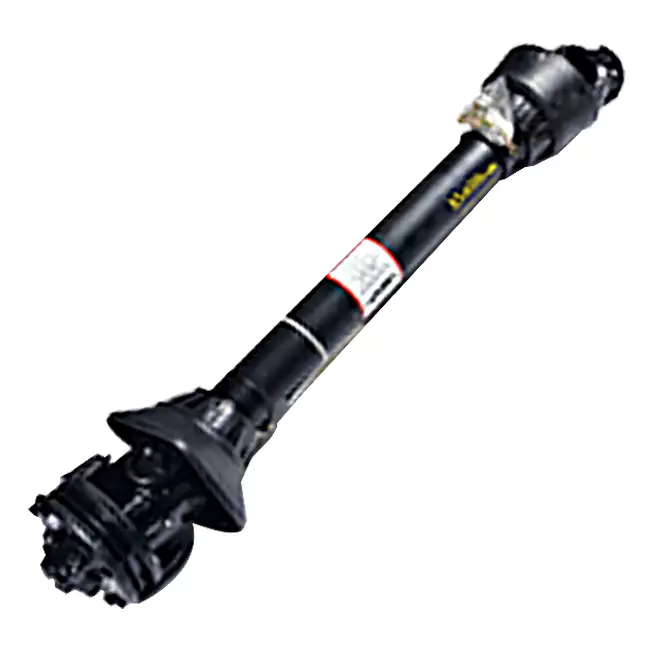
Understanding the Working Conditions of a PTO Shaft
Before discussing maintenance practices, it is essential to understand the working environment of a PTO shaft. This component operates under continuous torque transmission, fluctuating load conditions, and exposure to dust, soil, and moisture. In our field observations, many early failures occur not because of design issues but because the equipment is used in extremely harsh conditions without scheduled care. When operators fully understand the stress factors, they can apply maintenance steps more accurately and spot early warning signs before real damage occurs.
Key Maintenance Steps to Reduce Breakdowns
The core task is maintaining the shaft correctly. This part consolidates all required actions into one section for clarity and operational convenience. Each practice is based on long-term testing performed in our factory and real field usage feedback from farming clients. These methods aim to prevent premature wear, noise, vibration, or complete functional stoppage during peak periods when downtime is costly.
Lubrication is the most critical part of maintaining a PTO Shaft. Continuous metal contact and rotational friction generate heat, which increases wear. Our technicians recommend lubricating all cross bearings, guards, and telescoping sections after every 8 to 10 hours of operation. Using high quality multipurpose grease ensures smoother rotation and prevents metal scoring. A lack of lubrication is responsible for more than half of the failures reported during high workload seasons.
Cleaning the shaft after each shift also prevents soil buildup that may obstruct movement. When soil and debris accumulate inside the guard or on the sliding profiles, resistance increases, causing irregular rotation. This condition leads to vibration, overheating, and potential warping. Our cleaning recommendation is simple: wipe down all external parts, remove packed debris from guard ends, and check that the guard rotates freely.
Inspection of components is equally important. Operators should visually check joints, yokes, guard tubes, and connection ends. Any sign of crack propagation, discoloration due to overheating, or metal distortion should be addressed immediately. Our routine checks suggest confirming that the locking mechanisms on both ends engage fully and show no signs of displacement or loosening. Worn universal joints should be replaced at the first sign of knock or play.
Alignment matters as well. Misalignment between tractor output and implement input can overstrain the PTO Shaft and shorten its service life. During attachment, equipment should remain level, and the angular displacement should not exceed manufacturer recommendations. Our engineers often receive failure reports caused by extreme angles that could have been avoided with a simple height adjustment.
Storage during off season also influences durability. Keeping the shaft indoors, clean, dry, and lightly greased prevents corrosion. Our factory always pre applies a protective coating during shipment, and operators can maintain the same practice by coating exposed metal surfaces before long term storage.
Technical Specifications of Our PTO Shaft Products
Below is a general reference table showing typical technical details from our production line. These values represent the characteristics commonly required by agricultural machinery and reflect the engineering standards we follow at Raydafon Technology Group Co., Limited. Operators reviewing these parameters can better understand performance expectations and match the correct configuration to their equipment.
| Model Range | Series 1 to Series 8 |
| Torque Capacity | 160 Nm to 2000 Nm |
| Tube Profile | Star tube and lemon tube options |
| Universal Joint Size | 22 x 54 mm to 35 x 106 mm |
| Shaft Length Options | Customized to equipment requirements |
| Protection Guard | Polymer safety guard with free rotation |
| Application Scope | Rotary tillers, mowers, sprayers, balers |
Common Operational Issues and How Proper Maintenance Prevents Them
Overheating, vibration, and premature joint wear are the most frequently reported problems. In our comparisons, nearly all are linked to improper maintenance rather than raw material limitations. For example, insufficient lubrication leads to needle bearing failure, while dirt intrusion damages sliding sections. Operators can eliminate most of these issues by implementing the maintenance actions described above. Correct attachments, steady alignment, and routine cleaning can prevent sudden breakdowns even during the most demanding farming months.
Safety Practices During PTO Shaft Maintenance
Safety must be emphasized whenever working around rotating components. Our support team advises always shutting down the tractor, removing the ignition key, and waiting for complete stop before touching the shaft. Wearing gloves, ensuring guards are in place, and never operating without protective covers are essential steps. As a producer, our factory continuously works to strengthen guard design, making inspections easier and safer. Following these precautions ensures that routine maintenance does not lead to accidental injuries.
How to Choose the Right PTO Shaft for Heavy Seasonal Use
Even the best maintenance routine benefits from choosing a well matched shaft. Operators should consider torque requirements, joint size, compatibility with equipment, and guard type. Our team often recommends choosing a slightly higher torque rating for peak seasonal workloads. Raydafon Technology Group Co., Limited provides various configurations that support long running hours with stable performance. Selecting the correct product ensures that maintenance efforts lead to improved durability rather than temporary fixes.
FAQ
Q1: Why does lubrication play such a crucial role?
Lubrication reduces friction between rotating components and prevents metal on metal contact, which is the primary cause of heat buildup and early wear. Applying grease regularly keeps the bearings functioning smoothly, maintains flexible movement in telescoping parts, and protects the shaft from internal scoring. Without lubrication, even a high quality design can experience accelerated failure during intense seasonal workloads.
Q2: What early warning signs should operators watch for?
Operators should pay attention to vibration, unusual noise, stiff movement in sliding sections, or discoloration near the joint area. These symptoms indicate contacting surfaces are wearing out or the shaft is experiencing misalignment. Identifying these signs early allows users to correct small issues before they develop into major breakdowns during critical field operations.
Q3: How does regular cleaning contribute to equipment reliability?
Cleaning removes soil, crop residue, and moisture that can obstruct guard rotation or cause corrosion. Over time, buildup inside the guard increases resistance and creates imbalance during rotation. Consistent cleaning ensures smooth motion, reduces stress on universal joints, and maintains proper alignment between connecting components.
Conclusion
With the right maintenance approach, a PTO Shaft can deliver long lasting performance even under demanding seasonal workloads. Applying proper lubrication, performing frequent inspections, keeping components clean, and storing them correctly are the most effective ways to extend service life. Our team continues to support agricultural users with reliable products and practical guidance based on years of field experience. If you require customized configurations or technical support for your machinery, contact our factory today to discuss specifications and request a detailed quote that matches your operational needs.