

How to Maintain Block Machine Pallets for Consistent Performance?
2026-07-02
1. Why Does Regular Cleaning Prevent Surface Buildup on Our Block Machine Pallet?
In our factory, we have seen that up to 60 percent of pallet related rejects stem from cement paste accumulation. When wet concrete dries on a Block Machine Pallet, it creates a rough texture that transfers to the bottom of the next block. This uneven surface leads to cracks during demolding. Our maintenance routine starts with daily scraping using a flat steel blade. We recommend a light oil spray after cleaning to prevent concrete from bonding. For heavy buildup, a high pressure water jet at 150 bar can be used. However, avoid wire brushes because they scratch the pallet surface. Our Quangong Machinery Co.,Ltd. provides a dedicated cleaning station for pallets that automates this process. Many local block plants in the Philippines have reduced their reject rate from 5 percent to under 1 percent simply by implementing a strict cleaning schedule. The Block Machine Pallet should be visually inspected every 8 hours of operation. If you see more than 2 mm of residue, stop and clean immediately. This is the single most cost effective maintenance step.
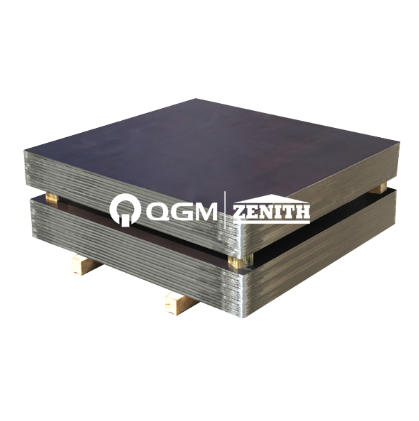
2. How Does Pallet Flatness Directly Affect Block Quality and Machine Vibration?
Flatness is the foundation of consistent block production. A warped Block Machine Pallet causes uneven compaction because the vibrator energy dissipates into the bends instead of the mix. Our factory uses a laser alignment gauge to check flatness to within 0.3 mm per meter. For production, we recommend a weekly check with a straightedge and feeler gauge. If you detect a gap of more than 0.5 mm under the straightedge, the pallet needs resurfacing or replacement. Warpage usually comes from thermal shock or heavy impact. Our Quangong Machinery Co.,Ltd. offers hardened steel pallets that resist bending, but even they need periodic inspection. One trick we share with customers is to flip the Block Machine Pallet every 200 operating hours. This distributes wear evenly. A flat pallet ensures that every block has the same height, which reduces mortar usage in masonry and pleases customers. We have documented a 25 percent increase in block strength when flatness is maintained within spec.
3. What Are the Critical Dimensions to Check on a Block Machine Pallet?
Beyond flatness, the perimeter dimensions and thickness determine how the pallet fits the guide rails and vibrator table. Our Block Machine Pallet typically measures 1400 x 1100 mm with a thickness of 14 mm for standard machines. We recommend measuring the diagonal length monthly; if it changes by more than 2 mm, the pallet may have distorted. Thickness variation should be below 0.5 mm across the surface. The table below lists the key inspection points we use in our factory.
| Inspection parameter | Acceptable tolerance (our standard) | Action if out of tolerance |
| Surface flatness (over 1 meter) | ≤ 0.3 mm | Machine or replace pallet |
| Thickness variation (across pallet) | ≤ 0.5 mm | Grind or exchange |
| Corner squareness (diagonal difference) | ≤ 2.0 mm | Check guide rail alignment, replace if bent |
| Edge straightness (per side) | ≤ 0.5 mm | Deburr or resurface edge |
| Surface hardness (Rockwell HRC) | 45 – 55 HRC (for steel pallets) | Re heat treat or scrap if below 40 HRC |
| Maintenance task | Frequency | Tool / method recommended |
| Cleaning concrete residue | Every shift end | Steel scraper + water jet (150 bar) |
| Flatness check with straightedge | Weekly (every 40 operating hours) | 0.3 mm feeler gauge |
| Thickness measurement (micrometer) | Monthly | Digital caliper at 9 points |
| Edge damage repair (welding + grinding) | As needed | Hard facing electrode + angle grinder |
| Full professional resurfacing | Every 5000 hours or annually | Surface grinder machine |
Our factory uses a laser micrometer to scan every Block Machine Pallet before shipment. For ongoing maintenance, we suggest creating a logbook for each pallet to track wear patterns. This helps predict when a Block Machine Pallet will need major refurbishment. Quangong Machinery Co.,Ltd. also offers a pallet exchange program where we rebuild your old pallets to factory specifications.
4. How Can You Extend the Life of a Block Machine Pallet Through Proper Storage?
Storage conditions matter more than most plant managers realize. A Block Machine Pallet left outdoors in the rain will develop rust pitting on the surface. These pits transfer to the block bottom. Our factory recommends storing pallets on wooden racks off the ground, under a roof, with a slight tilt for water drainage. In cold climates, avoid stacking pallets directly on concrete slabs because condensation can cause corrosion. We also advise applying a rust preventive oil if the pallet will not be used for more than a week. For wooden pallets, keep them away from direct sunlight to prevent cracking. Our Quangong Machinery Co.,Ltd. has seen pallet life double from 18 months to 3 years simply by moving them into a covered storage area. Another tip: rotate the pallet stack so that the ones at the bottom are not crushed under weight. If you have a large fleet, number each Block Machine Pallet and track its storage position. This makes retrieval easier and reduces damage during handling.
Frequently Asked Questions About Block Machine Pallet Maintenance
Final Summary
Maintaining Block Machine Pallets is not a complex task, but it requires discipline and a systematic approach. Regular cleaning, flatness checking, dimension tracking, and proper storage will dramatically improve block quality and reduce downtime. Our factory has used these practices for decades and seen pallet life extend by over 200 percent. Investing a small amount of time each shift pays back in consistent block strength and lower material waste. Our Quangong Machinery Co.,Ltd. is ready to support your maintenance team with tools, training, and professional resurfacing services.