

How to Reduce Energy Loss in Industrial Hydraulic Motor Applications?
2025-12-23
In industrial hydraulic systems, energy loss is rarely caused by a single failure point. It usually develops gradually through multiple interacting factors such as leakage, pressure imbalance, friction, and mismatched operating conditions. From our long-term field observations, systems that appear stable on the surface may still consume excessive power. In our factory, efficiency analysis of hydraulic motors always starts with how energy moves through the system under real load, not theoretical ratings.
Why Does Internal Leakage Often Go Unnoticed Until Energy Loss Becomes Severe?
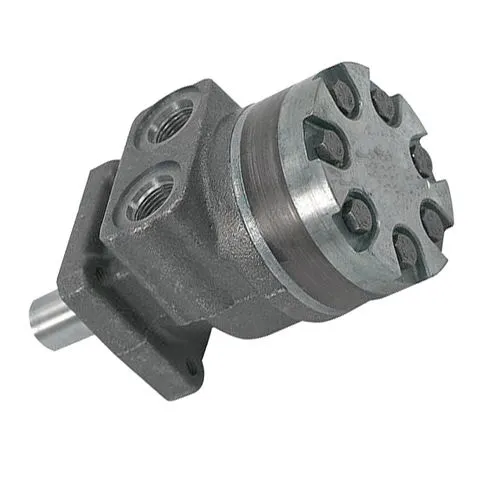
From a maintenance standpoint, internal leakage is typically detected through abnormal heat buildup rather than immediate performance loss. As sealing surfaces wear, hydraulic fluid bypasses intended flow paths, converting usable power into heat. In applications using a hydraulic motor, this hidden loss gradually reduces output consistency while increasing thermal stress on surrounding components.
Our production process focuses on controlling internal tolerances and surface finish to minimize leakage growth over time. In our factory, endurance testing replicates long duty cycles so early-stage leakage behavior can be evaluated. Saifu Vietnam Company Limited applies these test results to ensure performance remains predictable throughout service life.
How Does Pressure Drop Shape Energy Consumption at the System Level?
From a system designer’s perspective, pressure drop is a structural efficiency issue rather than a component flaw. Excessive restriction across valves, hoses, and fittings forces pumps to operate at higher pressures than necessary. When a motor is supplied with pressure far above actual load demand, energy is consumed without producing additional mechanical work.
Our engineering evaluations emphasize smooth flow paths and balanced line sizing. In our factory, flow simulations are used to identify unnecessary restrictions before final configuration. Saifu Vietnam Company Limited often assists equipment integrators in redesigning layouts that reduce pressure loss while maintaining operational stability.
How Do Mechanical Losses Affect Torque Stability Over Time?
Mechanical efficiency is closely tied to how internal friction develops during operation. Bearings, contact surfaces, and seals all introduce resistance that increases as components age. In high-cycle environments, this resistance can lead to fluctuating torque output. Selecting a Motor that matches load characteristics helps reduce internal stress and stabilize rotational performance.
Our manufacturing approach prioritizes alignment accuracy and optimized lubrication paths. In our factory, mechanical loss is evaluated under variable speed and load conditions. These measures allow consistent torque delivery even as operating hours accumulate.
Why Does Improper System Matching Increase Lifecycle Energy Costs?
From an operational cost perspective, oversized hydraulic components are a frequent source of wasted energy. When a Motor operates far below its designed load range, volumetric and mechanical efficiencies decline. This mismatch results in higher energy consumption per unit of output, increasing total lifecycle cost rather than improving reliability.
Our technical team reviews real operating data before recommending configurations. In our factory, selection guidelines are based on duty cycle and load variation rather than peak capacity alone. Saifu Vietnam Company Limited promotes right-sizing strategies that balance efficiency with long-term durability.
How Do Fluid Condition and Temperature Create Performance Drift?
Reliability engineers often identify fluid condition as a key variable influencing efficiency. Contaminated or degraded hydraulic fluid increases friction and accelerates wear, while elevated temperatures reduce viscosity and raise leakage rates. In systems driven by a Motor, these factors combine to create gradual performance drift rather than sudden failure.
Our factory recommends routine fluid analysis and thermal monitoring as part of standard maintenance planning. By maintaining proper viscosity and cleanliness, our customers achieve stable output and slower efficiency degradation over time.
How Can Control Strategies Reduce Transient Energy Loss?
From an automation perspective, fixed-output control schemes often generate unnecessary power consumption during partial load operation. Load sensing and variable displacement systems adjust output dynamically, preventing excess flow and pressure. When paired correctly, these controls allow a Motor to operate closer to its optimal efficiency point during changing conditions.
Our engineers evaluate control behavior during transient events such as startup and load shifts. In our factory, testing focuses on minimizing energy spikes while maintaining response accuracy. This approach supports measurable energy reduction without sacrificing system responsiveness.
Key Parameters That Influence Energy Efficiency in Practice
Understanding measurable performance parameters helps identify where energy losses originate. The table below summarizes common indicators reviewed during system optimization.
| Parameter | Observed Range | Primary Impact | Optimization Focus |
| Volumetric efficiency | 85 to 95 percent | Effective flow output | Leakage and fluid control |
| Mechanical efficiency | 80 to 92 percent | Torque consistency | Friction reduction |
| Operating temperature | 40 to 60 Celsius | Viscosity stability | Cooling balance |
How Design Details Influence Long-Term Energy Performance
Component design decisions often determine whether energy loss develops gradually or remains controlled. Surface treatment, seal geometry, and internal channel design all influence loss behavior. In a hydraulic Motor, these factors usually affect efficiency long before visible wear appears.
Our factory emphasizes consistency across production batches and long-duration validation. Saifu Vietnam Company Limited integrates feedback from field applications to refine design elements that directly impact long-term energy stability.
How to Reduce Energy Loss in Industrial Hydraulic Motor Applications? FAQs
Q1: How does operating pressure setting influence energy efficiency?
Excessive pressure increases pump workload and heat generation. Adjusting pressure to actual load requirements reduces wasted energy and stabilizes system behavior.
Q2: Why is component sizing critical for reducing energy loss?
Components operating outside their optimal range experience higher internal losses. Proper sizing ensures efficient power conversion and predictable output.
Q3: Can maintenance practices directly impact energy consumption?
Yes. Controlling leakage, friction, and fluid condition through regular maintenance prevents gradual efficiency decline and limits unnecessary power usage.
Conclusion
Reducing energy loss in industrial hydraulic systems requires coordinated attention to leakage control, pressure management, mechanical efficiency, fluid condition, and control strategy. When these factors are addressed together, systems operate with greater stability and lower operating cost. Our team focuses on practical engineering solutions that support efficient use of every hydraulic Motor in the system. Contact our technical specialists today to discuss how your application can achieve measurable energy savings.