

How to Troubleshoot Common Concrete Mixer Operational Issues?
2026-08-13
1. Why Does the Concrete Mixer Drum Stop Rotating Under Load?
In our factory, we have serviced thousands of Concrete Mixer units across Southeast Asia. One of the most frequent complaints is the drum slowing down or stopping when loaded. This is usually caused by a worn hydraulic pump or low oil level in the hydraulic tank. First, check the oil level; if it is below the minimum mark, top it up with the recommended ISO 46 hydraulic oil. Second, inspect the drive belt for slipping; a loose belt reduces torque transfer. Our Quangong Machinery Co., Ltd. recommends adjusting the belt tension so that it deflects about 10 mm under thumb pressure. If the problem persists, the pump may have internal leakage. You can test this by measuring the hydraulic pressure at the motor inlet; it should be above 180 bar when the drum is fully loaded. If the pressure is low, the pump may need reconditioning. Another possible cause is a stuck relief valve. Clean the valve spool with diesel and reassemble. These checks will resolve 90 percent of drum stopping issues.
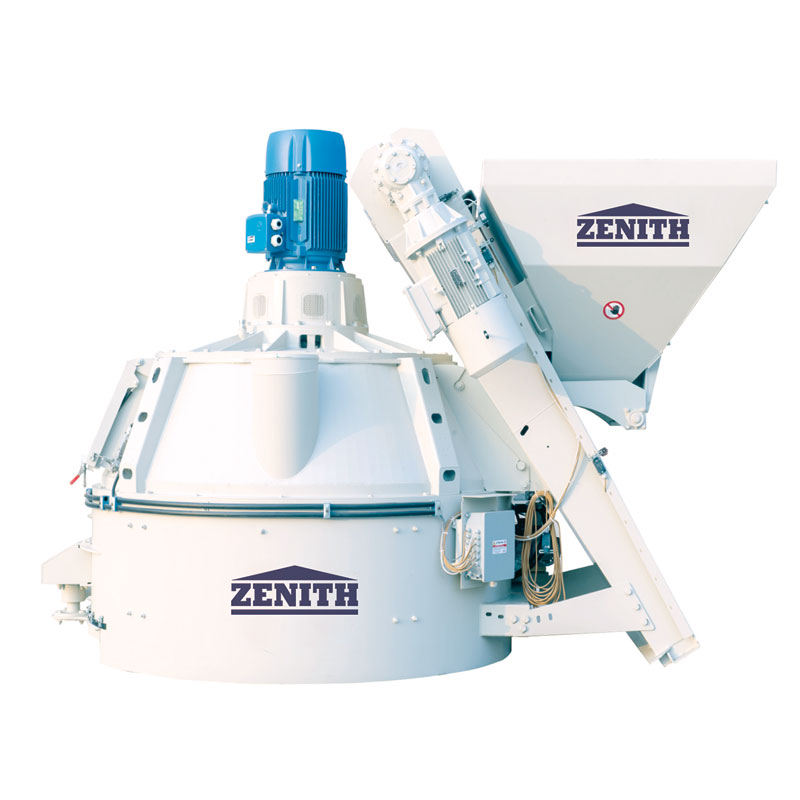
2. How to Diagnose Motor Overheating in a Concrete Mixer?
Motor overheating is a serious issue that can lead to permanent damage. Our factory has developed a simple diagnostic flow. First, check the ambient temperature and the motor ventilation. If the cooling fan is clogged with dust, clean it with compressed air. Second, measure the current draw with a clamp meter; if it exceeds the rated full load current by more than 10 percent, the motor is overloaded. This could be due to stiff drum bearings or a misaligned gearbox. Our Quangong Machinery Co., Ltd. suggests greasing the bearings every 100 operating hours. Third, check the voltage at the motor terminals; a voltage drop of more than 5 percent can cause excessive heating. The table below summarizes the common overheating causes and our recommended fixes.
| Symptom | Likely cause | Action to take |
| Motor housing too hot to touch (>85°C) | Clogged cooling fins or fan shroud | Clean with air gun; remove dust buildup |
| Current draw 20% above rated value | Worn drum bearings or gearbox binding | Replace bearings; check gear oil level |
| Voltage at motor terminal below 380V | Undersized cable or poor connections | Upgrade cable; tighten all connections |
| Motor trips thermal overload frequently | Incorrect overload relay setting | Adjust relay to match motor nameplate FLA |
| Component | Inspection frequency | Acceptable range / condition |
| Motor winding insulation resistance | Every 6 months | > 1 MΩ (500V megger) |
| Hydraulic oil temperature | Every 4 hours of operation | 40°C – 65°C (max 75°C) |
| Drum bearing clearance | Weekly | ≤ 0.3 mm axial play |
| V belt tension | Daily | 10 mm deflection at 50 N |
Our factory uses infrared thermometers for quick temperature checks. If the motor consistently runs hot, we suggest installing a forced ventilation kit. This is a common upgrade for sites in tropical climates.
3. What Causes Excessive Vibration in a Concrete Mixer During Operation?
Vibration is not only uncomfortable but can also damage the mixer frame and surrounding equipment. The main cause is an unbalanced drum due to uneven concrete loading or a bent shaft. Our QGM recommends checking the drum for any foreign objects or hardened concrete residue. Clean the drum thoroughly with a jackhammer if needed. Another frequent cause is worn rubber isolation mounts. Over time, they harden and crack, transmitting vibration to the chassis. Replace any mounts that show signs of deterioration. Additionally, check the alignment of the drum with the gearbox; misalignment causes cyclical knocking. Use a dial gauge to measure the runout of the drum rim; it should not exceed 2 mm. If vibration occurs only at certain speeds, it may be resonance. In that case, adjust the mixing speed slightly to avoid the resonant frequency. Our factory has a vibration analysis tool that can pinpoint the exact source, but for most sites, the above checks will suffice.
4. How to Address Hydraulic Oil Leakage in a Concrete Mixer?
Hydraulic leaks are not only messy but also indicate impending failure. The first step is to identify the source: whether it is a hose fitting, cylinder seal, or pump shaft seal. Our factory advises using a UV dye in the hydraulic oil to trace small leaks. For hose connections, tighten the fittings to the specified torque. If a seal is leaking, replace it with a genuine kit. For a Concret Mixer, the most common leak points are the swivel joint and the motor shaft seal. Our QGM provides seal kits with Viton O rings, which resist high temperatures better than standard nitrile. When replacing a seal, inspect the shaft for scoring; if it is grooved, use a sleeve repair kit. After repair, run the mixer at idle and check for pressure drop. A pressure drop of more than 5 bar over 10 minutes indicates an internal leak in the pump or motor. In that case, the component needs overhauling. Always use clean oil and a filter cart during refilling to prevent contamination.
Frequently Asked Questions About Concrete Mixer Troubleshooting
Final Summary
Most common operational issues with a Concrete Mixer can be resolved by systematic checks of the hydraulic system, motor, drum alignment, and lubrication. Regular preventive maintenance is far more cost effective than emergency repairs. Our factory has trained hundreds of technicians on these troubleshooting procedures. By following the steps outlined here, you can reduce downtime and extend the service life of your equipment. Our Quangong Machinery Co., Ltd. is ready to assist with spare parts and technical support.