

How to Troubleshoot Slow Movement in Hydraulic Cylinders?
2026-03-18
In real-world industrial applications, slow actuator response is one of the most common performance issues encountered in fluid power systems. Whether in construction equipment, agricultural machinery, or material handling systems, delayed motion often indicates underlying inefficiencies rather than simple wear. Our field experience shows that this issue is rarely caused by a single factor; instead, it typically results from a combination of pressure loss, contamination, and component mismatch.
At Raydafon Technology Group Co.,Limited, our engineering team frequently analyzes cases where a Hydraulic Cylinder exhibits sluggish extension or retraction. In most cases, our factory identifies root causes such as insufficient flow rate, internal leakage, or improper oil viscosity. These factors reduce the system’s ability to deliver consistent force and speed under load conditions.
Understanding the system layout is critical. Our technicians always begin by evaluating pump capacity, valve responsiveness, and line restrictions before isolating the cylinder itself. This systematic approach ensures our clients avoid unnecessary replacements and downtime.
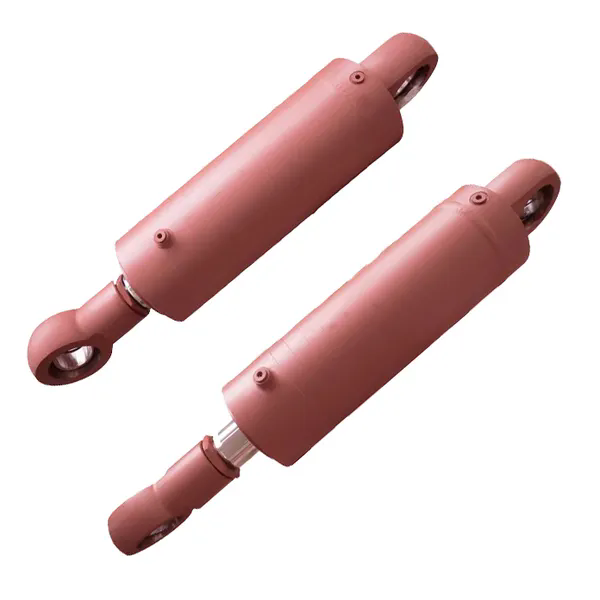
How Can You Diagnose Flow and Pressure Issues Effectively?
One of the first diagnostic steps involves checking whether the system is receiving adequate hydraulic flow. Slow movement is often linked to restricted flow paths, clogged filters, or undersized hoses. Our factory recommends measuring flow rate directly at key points in the circuit to identify bottlenecks.
Pressure testing is equally important. If the system cannot maintain rated pressure, the Hydraulic Cylinder will fail to generate sufficient force, leading to delayed motion. Our engineers typically use calibrated gauges to compare actual pressure against design specifications.
| Parameter | Standard Range | Common Issue | Recommended Action |
| Flow Rate | 20–120 L/min | Restricted or inconsistent | Inspect hoses and filters |
| System Pressure | 150–300 bar | Pressure drop | Check pump and relief valve |
| Oil Temperature | 40–65°C | Overheating | Improve cooling system |
| Oil Cleanliness | ISO 18/16/13 | Contamination | Replace or filter oil |
Our experience shows that maintaining stable pressure and flow directly improves responsiveness. In our factory testing environment, optimized systems can reduce lag time by over 30 percent.
What Internal Cylinder Problems Lead to Slow Response?
When external system factors are ruled out, attention must shift to internal components. Wear in seals, piston rings, or cylinder walls can allow fluid to bypass critical areas, reducing efficiency. This internal leakage is often difficult to detect without proper testing equipment.
A worn Hydraulic Cylinder may still function but will require more time to complete each stroke. Our technicians frequently observe that aging seals lose elasticity, especially in high-temperature environments. This leads to gradual performance degradation rather than sudden failure.
At Raydafon Technology Group Co.,Limited, our factory uses precision machining and advanced sealing materials to minimize internal leakage. Our design approach focuses on maintaining tight tolerances while ensuring durability under heavy-duty cycles.
| Component | Material | Performance Benefit | Application |
| Piston Rod | Hardened Chrome Steel | Wear resistance | Heavy-duty machinery |
| Seal Kit | Polyurethane + NBR | Leak prevention | High-pressure systems |
| Cylinder Tube | Precision Honed Steel | Smooth movement | Industrial equipment |
| Rod Coating | Chrome Plating | Corrosion resistance | Outdoor environments |
Our factory emphasizes that selecting high-quality components significantly reduces the risk of slow response over time. Preventive replacement of seals is often more cost-effective than dealing with system downtime.
How Do Environmental and Oil Conditions Affect Performance?
Environmental conditions play a critical role in hydraulic efficiency. In colder regions, oil viscosity increases, making it harder for fluid to flow through the system. This directly impacts the response speed of a Hydraulic Cylinder, especially during startup.
Contamination is another major factor. Dust, water, and metal particles can enter the system and damage internal components. Our maintenance teams often find that poor filtration is a leading cause of performance degradation. Our factory strongly recommends regular oil analysis and scheduled replacement intervals.
In high-load applications, overheating can reduce oil viscosity too much, leading to internal leakage and reduced efficiency. Our engineers advise installing proper cooling systems and monitoring temperature levels continuously.
Our approach combines preventive maintenance with robust component design. This ensures consistent performance even in demanding environments such as mining, agriculture, and construction.
How Can Proper Selection Improve System Responsiveness?
Choosing the right specifications is essential for avoiding slow movement issues. Many systems suffer from mismatched components, where the cylinder size, pump capacity, and valve configuration are not aligned. Our factory always evaluates load requirements, stroke length, and operating pressure before recommending a solution.
A properly sized Hydraulic Cylinder ensures optimal balance between force and speed. Oversized units may move slower due to higher fluid requirements, while undersized ones struggle under load. Our engineers prioritize efficiency by matching bore size and rod diameter to real operating conditions.
At Raydafon Technology Group Co.,Limited, our factory provides customized solutions tailored to specific applications. Our design process focuses on improving cycle time, reducing energy consumption, and enhancing overall system reliability.
FAQ
Q1: What is the most common cause of slow movement in hydraulic systems?
A: The most common cause is restricted flow, often due to clogged filters, undersized hoses, or insufficient pump output. These issues limit the amount of hydraulic fluid reaching the actuator, which directly slows down movement and reduces system efficiency.
Q2: How can I tell if internal leakage is affecting performance?
A: Internal leakage is usually indicated by reduced force and slower response even when pressure appears normal. A pressure drop test or flow comparison test can confirm leakage inside the cylinder or valves.
Q3: Does hydraulic oil quality really impact movement speed?
A: Yes, oil quality plays a critical role. Contaminated or incorrect viscosity oil can increase friction, reduce lubrication, and cause internal wear, all of which contribute to slower operation and long-term damage.
Conclusion: How Can You Restore Optimal Hydraulic Performance?
Slow movement in hydraulic systems should never be ignored, as it often signals deeper inefficiencies that can lead to costly failures. By systematically checking flow rate, pressure levels, internal components, and environmental conditions, our teams can quickly identify and resolve the root cause. Our factory emphasizes preventive maintenance, proper component selection, and high-quality materials to ensure long-term reliability.
If you are experiencing performance issues or looking to upgrade your system, our engineering team is ready to assist. Contact us today to get customized solutions, detailed specifications, and expert support tailored to your application needs.