

What Are the Key Differences Between Triple Insulated Wire and Standard Insulated Wire?
2026-01-14
At Huizhou Huaying Electronics Technology Co., Ltd., we have always prioritized safety and durability in our wiring solutions. Our Triple Insulated Wire is designed with three layers of high-quality insulation, providing superior protection against electrical leakage and short circuits. Unlike standard insulated wire, which usually features a single layer of insulation, our Triple Insulated Wire ensures that even under high voltage conditions, the risk of electrical faults is minimized. Our engineers have optimized the insulation thickness to maintain flexibility while enhancing thermal resistance, making it ideal for demanding industrial and commercial applications. Our factory maintains strict quality control to ensure every meter of wire meets international safety standards, giving our clients peace of mind.
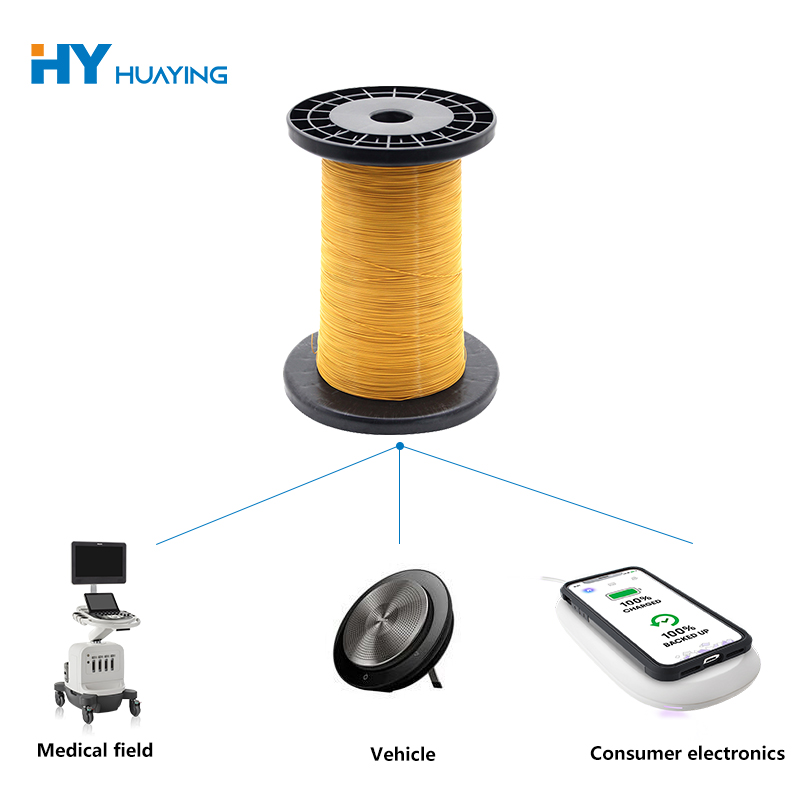
What Are the Material Differences Between Triple Insulated Wire and Standard Insulated Wire?
Our Triple Insulated Wire utilizes a combination of thermoplastic and cross-linked materials in its insulation layers. The innermost layer is a flexible PVC coating that allows easy bending and routing, while the middle layer adds mechanical strength, and the outermost layer provides resistance to abrasion, moisture, and chemicals. In contrast, standard insulated wire typically uses a single PVC layer which may not provide sufficient protection in harsh environments. At Huizhou Huaying Electronics Technology Co., Ltd., our material selection is based on extensive testing in real-world conditions, ensuring our wires maintain performance even under high-temperature and high-humidity scenarios. Our engineers also focus on minimizing electromagnetic interference, a common issue in industrial electrical systems.
How Do Electrical Parameters Differ Between Triple Insulated Wire and Standard Insulated Wire?
Our Triple Insulated Wire is engineered to handle higher current loads and offer lower resistance compared to standard wires of similar gauge. This is crucial for applications such as industrial machinery, automotive systems, and HVAC installations. Our factory has conducted rigorous testing to confirm that our wires maintain conductivity and safety under continuous operation. Below is a comparison of the typical electrical parameters:
| Specification | Triple Insulated Wire | Standard Insulated Wire |
| Voltage Rating | 600V | 300V |
| Temperature Range | -40°C to 125°C | -20°C to 90°C |
| Current Capacity | 1.5x Higher | Standard |
| Dielectric Strength | 3 Layers of Protection | Single Layer |
Why Is Triple Insulated Wire More Durable in Industrial Applications?
Our Triple Insulated Wire outperforms standard wire in environments where mechanical stress, vibration, and chemical exposure are prevalent. Each insulation layer serves a specific purpose: the inner layer protects the conductor, the middle layer adds tensile strength, and the outer layer safeguards against environmental damage. At Huizhou Huaying Electronics Technology Co., Ltd., our engineers have optimized the wire structure to reduce wear during continuous movement or bending. Standard insulated wire, with only one layer, tends to degrade faster under similar conditions, which can lead to maintenance issues or unexpected downtime in industrial operations. Our approach ensures reliability, reducing the frequency of replacement and operational interruptions.
How Do Triple Insulated Wire Specifications Reflect in Our Product Range?
Our Triple Insulated Wire comes in multiple gauges, lengths, and color codes to meet diverse industry needs. We emphasize transparency in our specifications so that engineers and buyers can select the right wire for each application. Below is a reference table illustrating key physical and electrical parameters of our most popular models:
| Model | Conductor Material | Outer Diameter | Max Current | Insulation Layers |
| TIW-101 | Copper | 3.5 mm | 20A | 3 |
| TIW-202 | Stranded Copper | 5.0 mm | 35A | 3 |
| TIW-303 | Tinned Copper | 6.0 mm | 50A | 3 |
FAQ Section
Q1: What Are the Key Differences Between Triple Insulated Wire and Standard Insulated Wire in Terms of Safety?
Triple Insulated Wire provides three layers of insulation, which significantly reduces the risk of electrical leakage and short circuits. Standard wire usually has a single layer, offering less protection against environmental hazards. Our factory ensures that our Triple Insulated Wire meets all relevant safety certifications, making it ideal for industrial and commercial applications.
Q2: How Does Triple Insulated Wire Improve Longevity Compared to Standard Wire?
With multiple insulation layers, our Triple Insulated Wire resists mechanical wear, chemical exposure, and high temperatures more effectively than standard wire. This results in a longer service life and reduced maintenance costs. Our engineers test each batch to guarantee durability under real-world operating conditions.
Q3: Can Triple Insulated Wire Handle Higher Electrical Loads Than Standard Insulated Wire?
Yes, our Triple Insulated Wire can carry higher current loads due to enhanced insulation and lower electrical resistance. Standard wires of the same gauge may overheat or degrade faster under similar conditions. Our factory provides detailed specifications to help clients choose the right wire for high-demand applications.
In conclusion, Triple Insulated Wire from Huizhou Huaying Electronics Technology Co., Ltd. provides superior safety, durability, and performance compared to standard insulated wire. Our commitment to high-quality materials, precise engineering, and rigorous testing ensures that our clients receive reliable and long-lasting wiring solutions. Whether you require wires for industrial machinery, automotive systems, or commercial installations, our factory offers a wide range of options to meet your needs. Explore our Triple Insulated Wire collection today and contact our technical team to find the best solution for your projects.