
What Are the Main Benefits of Choosing QGM Block Making Machine Supplier Directly?
2026-05-19
In today’s construction materials market, production efficiency, energy management, and machine reliability directly affect operating margins. Concrete product manufacturers across Southeast Asia, the Middle East, Africa, and Latin America are increasingly sourcing machinery directly from original suppliers rather than relying on trading intermediaries. This shift is especially visible in the concrete paving and masonry sector, where automated production systems are becoming standard practice.
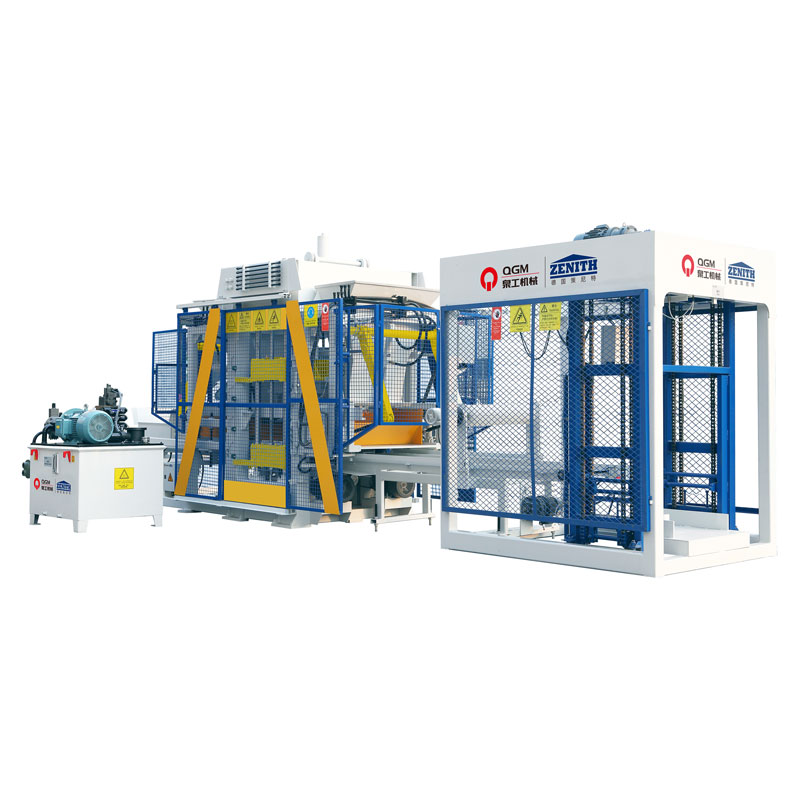
For many plant owners, purchasing a QGM Block Making Machine directly from the manufacturer provides better technical transparency, clearer configuration details, and stronger after-sales coordination. Instead of dealing with multiple layers of communication, buyers can discuss mold design, hydraulic systems, vibration technology, and output targets directly with engineers who understand the equipment platform.
Our factory has seen growing demand from contractors and infrastructure developers looking for stable block quality, lower pallet consumption, and faster production cycles. In large municipal or commercial projects, machine consistency matters as much as output capacity.
Quangong Machinery Co., Ltd. has developed integrated solutions for hollow blocks, solid bricks, curbstones, pavers, and permeable concrete products. Direct sourcing also allows buyers to evaluate factory capability, assembly standards, and quality inspection procedures before shipment.
How Does Direct Purchasing Improve Production Efficiency and Cost Control?
One of the biggest advantages of working directly with the supplier is better control over project configuration. Different markets require different block dimensions, strength grades, and aggregate ratios. A direct manufacturer relationship allows production lines to be configured according to local cement standards, regional pallet sizes, and available raw materials.
When selecting a QGM Block Making Machine, many buyers focus not only on hourly capacity but also on vibration balance, hydraulic response speed, mold accuracy, and automatic feeding performance. These factors influence finished block density and long-term maintenance cost.
Our engineering team often helps customers optimize factory layouts based on workshop dimensions and production targets. This reduces unnecessary conveyor routing and improves operational flow inside the plant. Our factory also supports automatic batching systems, curing solutions, and integrated control platforms for large-volume production facilities.
| Machine Feature | Technical Advantage |
| Servo Vibration System | Improves concrete compaction and product density |
| PLC Control System | Supports automatic operation and production monitoring |
| Hydraulic Power Unit | Provides stable pressure and faster molding cycles |
| Automatic Material Feeding | Reduces labor intensity and material waste |
| Mold Replacement Design | Allows flexible production of different block types |
| Heavy Duty Machine Frame | Enhances structural stability during continuous production |
In many developing markets, energy efficiency and maintenance accessibility are major purchasing considerations. Direct communication with the supplier helps buyers select suitable motor configurations, spare parts packages, and hydraulic components for local operating conditions.
What Technical Parameters Should Buyers Evaluate Before Choosing a Block Machine?
Experienced plant operators usually compare machine structure, vibration technology, hydraulic systems, mold precision, and production cycle time before making purchasing decisions. Choosing the right QGM Block Making Machine depends heavily on expected production volume and local market demand.
For example, infrastructure projects requiring high-strength paving blocks often need advanced vibration synchronization and dense compaction systems. Residential building materials may prioritize flexible mold replacement and lower operational energy consumption.
Our factory recommends evaluating not only machine capacity but also the availability of technical service, spare parts logistics, operator training, and remote troubleshooting support. These factors influence long-term production stability more than initial equipment price alone.
| Specification Item | Typical Range |
| Production Capacity | 8000 to 22000 blocks per shift |
| Cycle Time | 12 to 25 seconds depending on product type |
| Pallet Size | Customized according to production line design |
| Hydraulic Pressure | 16 MPa to 25 MPa |
| Control System | PLC automatic control interface |
| Applicable Products | Solid blocks, hollow blocks, pavers, curbstones |
Quangong Machinery Co., Ltd. supports customized machine planning for contractors, precast producers, and government infrastructure suppliers requiring large-scale production consistency.
Why Is After Sales Technical Support Critical for Long Term Plant Operation?
Block manufacturing plants operate in demanding environments with continuous vibration, abrasive aggregates, and heavy production schedules. Reliable technical support therefore becomes a major factor in protecting machine uptime and reducing maintenance interruptions.
Many overseas buyers choose a QGM Block Making Machine supplier directly because they want faster access to spare parts, installation guidance, and operational training. Remote technical communication through intermediaries often delays troubleshooting and increases downtime risk.
Our service teams assist customers with commissioning, mold adjustment, hydraulic calibration, and operator training during the installation stage. Our factory also provides maintenance recommendations based on local climate conditions and production intensity.
In tropical regions with high humidity and dust exposure, regular inspection of hydraulic oil, vibration components, and electrical cabinets is essential for maintaining production efficiency. Buyers who receive direct technical guidance usually experience fewer unexpected shutdowns and more stable block quality.
Quangong Machinery Co., Ltd. continues investing in automated manufacturing technology and digital production systems to support modern concrete product factories operating in competitive construction markets.
What Questions Do Buyers Commonly Ask Before Ordering a Block Production Line?
Q1: Is it better to buy directly from a block machine manufacturer instead of a trading company?
A1: In most industrial projects, direct sourcing provides better technical communication, clearer machine specifications, faster spare parts coordination, and more accurate production planning. Buyers can discuss mold design, automation level, and factory layout directly with the engineering team.
Q2: How long does a QGM Block Making Machine normally operate before major maintenance is required?
A2: Maintenance schedules depend on operating hours, raw material quality, and production intensity. With proper lubrication, hydraulic inspection, and mold maintenance, industrial block machines can maintain stable operation for many years under continuous factory conditions.
Q3: What factors affect the production output of a concrete block machine?
A3: Output is influenced by mold configuration, cycle time, aggregate moisture, operator experience, vibration efficiency, and material feeding consistency. Production planning should also consider curing space and pallet circulation capacity.
Why Are Modern Automated Systems Becoming the Future of Concrete Block Manufacturing?
The construction materials industry is moving toward automation, lower labor dependence, and higher product consistency. Modern factories increasingly require intelligent control systems, efficient vibration platforms, and flexible mold configurations to meet changing market demand.
A well-configured QGM Block Making Machine can help producers improve operational efficiency while reducing material waste and labor pressure. For companies expanding into municipal paving, eco blocks, or high-strength masonry products, automation creates measurable long-term value.
Our team continues supporting customers with practical production planning, technical consultation, and customized manufacturing solutions. If you are evaluating new equipment for a concrete products factory, contact us today for detailed specifications, machine recommendations, and project support from Quangong Machinery Co., Ltd.