

What Causes Joint Failure in HDPE Pipe Fittings Systems?
2026-04-20
In water supply, irrigation, gas distribution, mining slurry lines, and industrial utility networks, joint performance often determines the service life of the entire pipeline. Pipe walls may remain structurally sound for decades, yet leaks usually begin at connection points where pressure, movement, and installation quality intersect. That is why contractors and asset owners place strong focus on welding standards, alignment checks, and traceable materials.
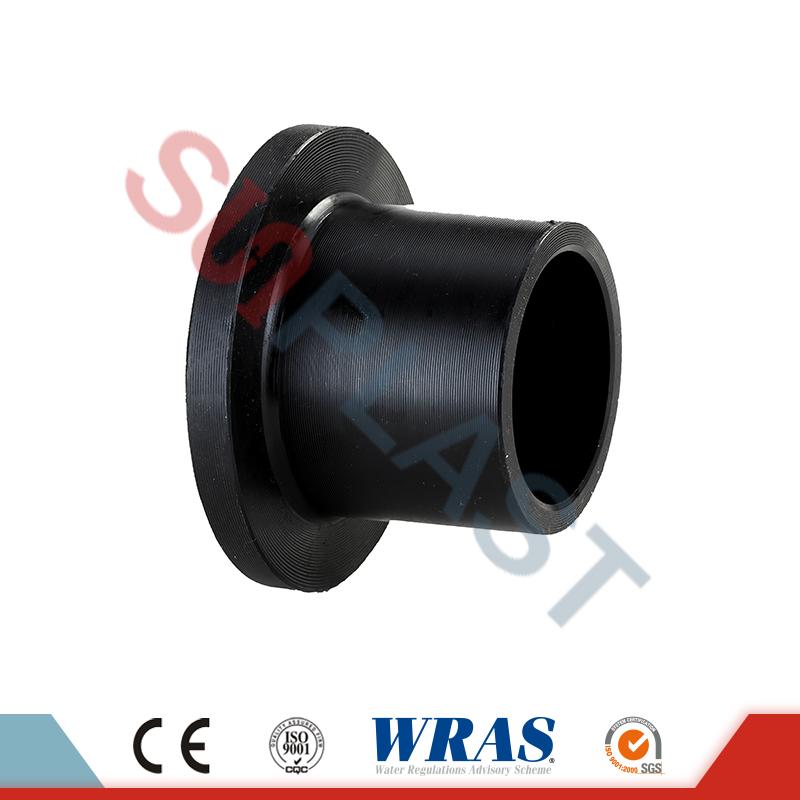
The reliability of HDPE Pipe Fittings is one of the main reasons polyethylene systems are widely used in municipal and commercial projects. These fittings offer corrosion resistance, low weight, and flexible handling in trench work. However, even premium materials can underperform if field procedures are rushed. Our team has reviewed many job sites where the fitting itself was acceptable, but preparation errors caused premature failure.
Ningbo Sunplast Pipe Co., Ltd. supports buyers who need stable dimensional accuracy and dependable production consistency. Our factory works with distributors and project contractors who require fittings suited for real installation conditions, not only laboratory ratings.
How Can Poor Fusion Practices Trigger Early Leakage Problems?
Fusion quality is one of the most common causes of joint failure. During butt fusion or electrofusion, pipe ends must be clean, square, and free from oxidation. If surfaces are contaminated by mud, moisture, grease, or excessive sunlight exposure, the melted interface may not bond correctly. This can create a weak zone that fails during pressure surges.
Incorrect heating time is another frequent issue. Underheating prevents full melt flow, while overheating can degrade the polymer surface. Both conditions reduce long-term strength. In cold weather or windy trench environments, installers should protect the fusion area and verify machine calibration before work begins.
HDPE Pipe Fittings perform best when fusion parameters match pipe SDR class, wall thickness, and ambient temperature. Our service team often recommends documented weld logs for utility projects because they simplify inspection and future maintenance. Our factory also advises using trained operators rather than temporary labor for critical lines.
| Fusion Control Item | Recommended Practice |
| Pipe End Preparation | Square cut and scrape oxidation layer |
| Surface Cleanliness | Dry and free from oil or dust |
| Heating Stage | Follow machine and material settings |
| Cooling Time | Do not disturb joint before full cooling |
| Operator Record | Keep weld data for traceability |
What Mechanical Stresses Usually Damage Buried Connections?
Many failures are linked to external stress rather than material defects. Uneven trench bedding, rock contact, traffic loads, and settlement can place side loads on connections. If the pipe is forced into position instead of aligned naturally, stress remains locked into the joint after backfill.
Pressure cycling also matters. Pump start-stop systems, irrigation valves, and industrial transfer lines may create water hammer or repetitive surge loading. Over time, that movement can fatigue poorly supported joints. Proper restraint design and surge management are essential in high-demand systems.
HDPE Pipe Fittings are valued because they can accommodate moderate movement better than rigid materials, yet they still require correct support spacing and alignment. Our engineers often suggest checking anchor points, expansion allowance, and trench compaction before blaming the connection. Ningbo Sunplast Pipe Co., Ltd. regularly supplies projects where field handling standards are as important as the product itself.
Which Product Specifications Help Improve Joint Reliability?
Selection errors can shorten service life. Fittings should match the pipe material grade, pressure class, SDR ratio, and joining method. Using mixed specifications may lead to uneven melt behavior or pressure mismatch. Our project guidance starts with reviewing system design pressure and media conditions before order placement.
For potable water and municipal lines, buyers often request black PE100 material with UV resistance and recognized production controls. For mining or industrial use, thicker wall options may be selected for abrasion or pressure duty. Our factory can support common international dimensions and custom project schedules.
| Product Parameter | Typical Range |
| Material Grade | PE80 or PE100 |
| Size Range | 20 mm to 1200 mm |
| Pressure Rating | PN6 to PN16 |
| Connection Type | Butt fusion, electrofusion, compression |
| Applications | Water, gas, irrigation, slurry |
When matched correctly, HDPE Pipe Fittings provide long service intervals with low maintenance requirements. Our stock planning helps buyers reduce downtime during urgent replacement work.
How Can FAQ Answers Help Contractors Prevent Repeat Failures?
What is the most common reason an HDPE joint leaks after installation?
The most common cause is poor fusion preparation. Dirty surfaces, incorrect heating settings, or movement during cooling can create a weak bond that leaks under pressure testing or later operation.
Can ground movement damage fused polyethylene joints?
Yes. Although polyethylene is flexible, severe settlement, point loading, or forced alignment can overstress the connection area. Good trench bedding and proper support significantly reduce this risk.
How often should operators inspect pipeline joints?
Inspection frequency depends on service type and pressure demand. Municipal utilities often combine scheduled visual checks, pressure trend monitoring, and leak detection surveys to identify early warning signs before major loss occurs.
Why Does Proper Planning Deliver Longer System Life?
Successful pipeline performance depends on material quality, correct sizing, trained installation crews, and disciplined site practices. Ningbo Sunplast Pipe Co., Ltd. works with customers who need dependable supply and practical technical support for new builds or replacement projects. When the right procedures are followed, HDPE Pipe Fittings can deliver durable and leak-resistant service for many years.
If you are evaluating current pipeline failures, expansion plans, or specification upgrades, contact our team today. Our factory can help review your application, recommend suitable fittings, and support efficient procurement for upcoming projects.