

What Factors Affect The Torque Output of a Hydraulic Motor?
2025-11-20
At Qingdao Yushan Intelligent Technology Co., Ltd., we specialize in high‑performance Oil Hydraulic Motors that deliver consistent torque under demanding conditions. In our factory, we focus on optimizing every design parameter to ensure that our hydraulic motors meet the rigorous requirements of industrial machinery. Understanding what factors affect the torque output of a hydraulic motor is critical not only for system design but also for maximizing efficiency and longevity. In this article, we examine the key variables that influence torque, explain how they interplay, and show how our experience helps in delivering reliable performance.
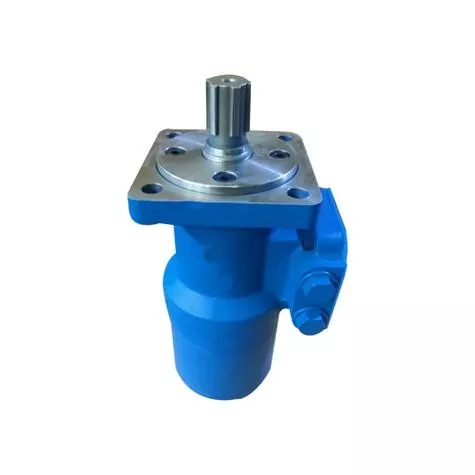
Fundamentals of Hydraulic Motor Torque
Torque is the rotational force that a hydraulic motor produces. In the context of Oil Hydraulic Motors, this torque depends primarily on hydraulic pressure, displacement, efficiency, and speed. At Qingdao Yushan Intelligent Technology Co., Ltd., our engineers carefully balance these factors to maximize torque output while maintaining stable operation.
Key Factors That Influence Torque Output
There are several main factors that affect the torque output of a hydraulic motor. Here we explore each in detail:
- Displacement (Motor Size): Displacement, typically measured in cc/rev or in³/rev, determines how much fluid is processed per revolution. A larger displacement means more fluid moves through the motor, which generally produces higher torque.
- Supply Pressure: The torque output is proportional to the pressure of the hydraulic fluid. Higher system pressure means more force is exerted on the motor’s internal components, directly increasing torque.
- Volumetric Efficiency: This represents how effectively the motor converts the input flow into usable rotational motion, accounting for internal leakage. Higher volumetric efficiency leads to more torque.
- Mechanical Efficiency: This reflects the friction and mechanical losses inside the motor (bearings, seals, etc.). Reducing these losses in our Oil Hydraulic Motors helps to improve the torque output.
- Speed (RPM): Motor speed interacts with other factors. At very high speeds, leakage tends to increase and volumetric efficiency drops, which can reduce torque.
- Fluid Viscosity and Temperature: The properties of the hydraulic oil (viscosity, temperature) influence leakage and internal drag. In our designs at Qingdao Yushan Intelligent Technology Co., Ltd., we select materials and tolerances to mitigate these effects.
- Back‑Pressure: Pressure on the return line (back‑pressure) can oppose the motion of the motor, reducing effective torque. Careful system design is needed to avoid excessive back‑pressure.
- Internal Leakage: Even well‑constructed motors have internal clearances. Minimizing leakage in our factory’s Oil Hydraulic Motors is a priority to preserve torque.
- Seal and Bearing Quality: High-quality seals reduce fluid bypass, and robust bearings reduce friction. Both factors play a role in maintaining high torque output.
- Motor Type (Design): Different motor types (gear, vane, piston) inherently have different efficiencies and leakage characteristics, which influences torque output.
Types of Hydraulic Motors and Their Torque Characteristics
At Yushan Intel-tech, we design various types of Oil Hydraulic Motors. The type of motor plays a critical role in torque behavior:
- Gear Motors: Simple and robust, these motors offer moderate torque but may suffer from higher internal leakage. They are often used in mobile machinery where cost and simplicity matter.
- Vane Motors: These provide better volumetric efficiency and quieter operation. They typically deliver higher torque than gear motors at lower speeds, making them ideal for many industrial applications.
- Piston Motors: Piston‑type motors (axial or radial) are capable of very high torque densities, excellent efficiency, and good performance under high pressure. Our factory’s axial piston motors are especially suited for demanding torque applications.
Typical Product Parameters and Performance Table
Below is a representative specification table for our Oil Hydraulic Motors manufactured at Qingdao Yushan Intelligent Technology Co., Ltd. This parameter table illustrates how design choices relate to torque performance.
| Model | Displacement (cc/rev) | Maximum Pressure (bar) | No‑Load Speed (rpm) | Maximum Torque (Nm) | Volumetric Efficiency (%) | Mechanical Efficiency (%) |
| YSM‑G100 | 100 | 210 | 2500 | 350 | 92 | 88 |
| YSM‑V200 | 200 | 200 | 2000 | 600 | 94 | 90 |
| YSM‑P315 | 315 | 250 | 1800 | 950 | 96 | 92 |
| YSM‑G50 | 50 | 180 | 3000 | 180 | 90 | 85 |
| YSM‑V120 | 120 | 220 | 2200 | 420 | 93 | 89 |
How Factors Interact to Influence Torque
In actual application, the factors do not act independently — they interact. For example, increasing pressure can improve torque, but if speed is too high, internal leakage increases and volumetric efficiency drops, reducing the net benefit. In our design process at Qingdao Yushan Intelligent Technology Co., Ltd., we simulate these interactions so that our Oil Hydraulic Motors achieve optimal torque without compromising durability.
Temperature and fluid viscosity also combine to affect performance: in colder systems, viscosity is higher, which may resist flow and reduce efficiency. At high temperatures, leakage may increase. Our factory addresses this by specifying fluid recommendations and designing tolerances that balance these extremes.
Practical Implications and System Considerations
When designing a hydraulic system with high torque requirements, engineers in our company always consider the following:
- Selecting Appropriate Motor Type: Based on torque vs. speed profile, we may recommend a piston motor for large torque, or a vane motor for smoother mid‑speed torque.
- Pressure Sizing: We ensure the system can provide the required maximum pressure while maintaining safety margins to avoid overloading our Oil Hydraulic Motors.
- Flow Rate Design: Adequate pump selection and proper flow control are essential to match displacement and speed to deliver the desired torque.
- Thermal Management: Because temperature affects viscosity and leakage, we implement cooling or heating circuits if necessary, based on the operating environment.
- Leakage Control: By selecting high-quality seals and maintaining tight internal clearances, our factory minimizes internal leakage and maximizes volumetric efficiency.
- Maintenance Practice: Regular maintenance of fluid quality, including particulate filtration and contaminant monitoring, helps preserve both volumetric and mechanical efficiency, ensuring sustained torque output.
Formula for Calculating Theoretical Torque
To estimate the theoretical torque of a hydraulic motor, the following formula is commonly used:
T = (P × V) / (2 × π)
Where:
- T is the torque (in Nm),
- P is the pressure (in N/m²),
- V is the displacement per revolution (in m³).
However, in real-world operation, the actual torque is reduced by inefficiencies in volumetric and mechanical performance. In our products, after accounting for both types of efficiency (η_vol and η_mech), the practical torque (T_practical) can be approximated by:
T_practical = (P × V × η_vol × η_mech) / (2 × π)
This is the approach that our engineering team at Qingdao Yushan Intelligent Technology Co., Ltd. applies when designing and validating our Oil Hydraulic Motors.
Why Quality Manufacturing Matters
At Qingdao Yushan Intelligent Technology Co., Ltd., our commitment to quality manufacturing ensures that all factors contributing to torque are optimized. In our factory, we employ precision machining, rigorous quality control, and tight tolerances to reduce internal leakage and friction. By doing so, our Oil Hydraulic Motors consistently deliver the expected torque over long service life.
Our production processes also include flow and pressure testing under real operating conditions, so we can verify that the torque output aligns with our design predictions. This kind of performance validation is vital for demanding applications, and our team has more than 20 years of experience building such systems.
Applications Where Torque Matters
Torque is a crucial metric in many hydraulic applications. In systems such as winches, industrial presses, marine steering gear, and heavy-duty mobile equipment, the ability to generate and sustain high torque is essential. Our Oil Hydraulic Motors from Qingdao Yushan Intelligent Technology Co., Ltd. are engineered to meet those demands reliably.
By choosing the right motor type, optimizing displacement and pressure, and using high‑quality fluid and seals, we ensure that our hydraulic motors provide the torque needed for high‑force operations. Our factory’s expertise means we can support custom configurations when off‑the‑shelf models don’t suffice.
Conclusion
Torque output from a hydraulic motor depends on a complex interplay of displacement, pressure, efficiency (both volumetric and mechanical), speed, fluid properties, leakage, and motor design. At Qingdao Yushan Intelligent Technology Co., Ltd., our deep experience and disciplined manufacturing processes ensure that we deliver Oil Hydraulic Motors that maximize torque while maintaining reliability and efficiency.
By understanding and controlling the factors that influence torque, system designers and operators can make informed decisions about motor selection, fluid specification, and system architecture. We are proud that our factory continues to provide solutions that meet demanding torque requirements for a wide range of industries.
Frequently Asked Questions (FAQ)
Q: What Factors Affect The Torque Output of a Hydraulic Motor?
A: The main factors are displacement, supply pressure, volumetric efficiency, mechanical efficiency, speed, fluid viscosity, internal leakage, back‑pressure, and seal/bearing quality.
Q: How does displacement influence torque in a hydraulic motor?
A: Displacement determines the volume of fluid per revolution: larger displacement means more fluid force per turn, which increases torque, assuming pressure and efficiency remain constant.
Q: Can fluid temperature and viscosity really change torque output?
A: Yes, because changes in fluid viscosity and temperature affect leakage and drag inside the motor, which in turn influence volumetric and mechanical efficiency, thereby altering the practical torque.