

What Factors Determine the Correct Diameter for HDPE Pipe Applications?
2026-02-10
Selecting the correct diameter for an HDPE Pipe is not a simple sizing exercise. In real-world projects, engineers evaluate flow demand, operating pressure, installation method, and long-term system reliability. In local markets, terms such as nominal diameter, outside diameter, and flow capacity are commonly used during specification discussions. Our engineering team often works closely with contractors to review drawings, calculate flow velocity, and confirm whether the selected size can support continuous operation without excessive pressure loss. When diameter is underestimated, systems face reduced efficiency and premature wear. When oversized, material cost and installation complexity increase unnecessarily. This balance is the starting point of every project review at Ningbo Sunplast Pipe Co., Ltd.
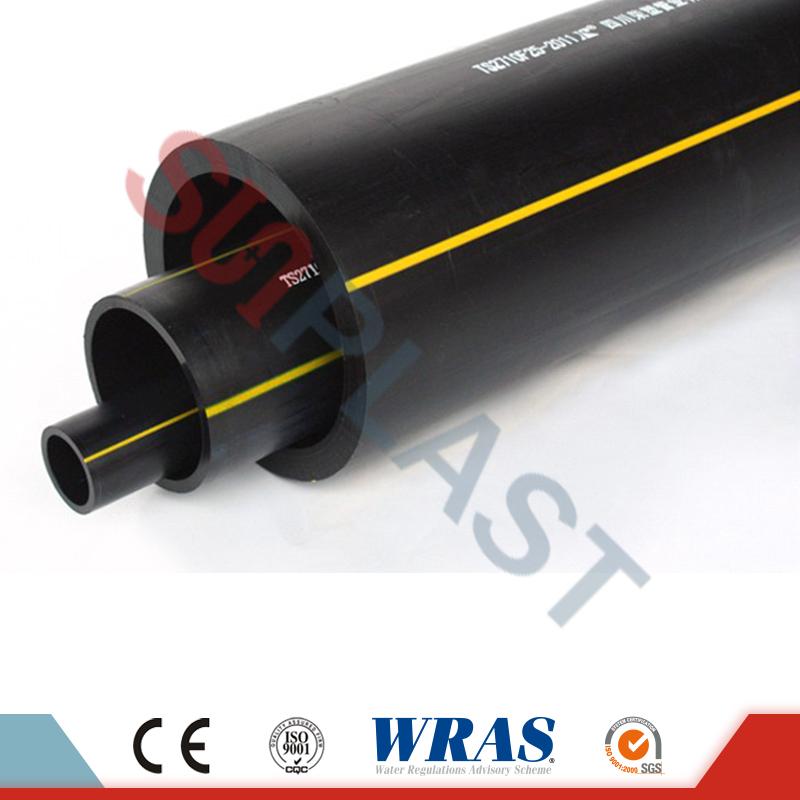
How Does Flow Rate Influence Diameter Selection in Practical Installations?
Flow rate is usually the first technical parameter considered when choosing an HDPE Pipe diameter. In water supply, irrigation, and industrial transfer systems, local engineers typically express flow in cubic meters per hour or liters per second. Our experience shows that maintaining a moderate flow velocity helps reduce internal friction and energy loss. Our factory frequently supports buyers by converting required flow into recommended diameters based on standard velocity ranges accepted in regional codes. For long-distance pipelines, a slightly larger diameter is often preferred to minimize pressure drop and pumping costs. This approach allows our solutions to operate efficiently over decades rather than just meeting short-term performance targets.
| Typical Application | Recommended Velocity Range | Diameter Selection Consideration |
| Municipal Water Supply | 0.6 to 1.2 m/s | Balance between pressure loss and pipe cost |
| Agricultural Irrigation | 0.8 to 1.5 m/s | Adaptation to seasonal flow variations |
| Industrial Process Lines | 1.0 to 2.0 m/s | Support for continuous operation |
Why Is Pressure Rating Closely Linked to Pipe Diameter Decisions?
Pressure rating and diameter are technically interconnected in every HDPE Pipe system. As diameter increases, wall thickness and pressure class must be evaluated together to maintain structural integrity. Local standards often reference pressure classes such as PN10 or PN16, which directly affect diameter availability. Our technical specialists analyze operating pressure, surge conditions, and safety margins before confirming specifications. In projects involving pumping stations or elevation changes, our recommendations usually include pressure allowances beyond nominal working conditions. This conservative design philosophy helps ensure long-term stability and compliance with local engineering practices.
| Pressure Class | Common Diameter Range | Typical Usage |
| PN6 | 50 mm to 400 mm | Low-pressure drainage and irrigation |
| PN10 | 63 mm to 800 mm | Municipal water distribution |
| PN16 | 63 mm to 630 mm | Industrial and high-pressure systems |
How Do Installation Conditions Affect the Final Diameter Choice?
Installation environment plays a major role in determining the most suitable HDPE Pipe diameter. In trench installations, soil conditions, cover depth, and external loads influence size selection. In above-ground or floating systems, thermal expansion and support spacing become critical. Our project assessments often include site photos and layout drawings to confirm whether a selected diameter can be installed safely and efficiently. Our factory production planning also considers coil length, jointing method, and transportation limitations to avoid on-site delays. This integrated approach allows our customers to achieve smooth installation even in challenging local conditions.
What Long-Term Performance Considerations Should Guide Diameter Selection?
Beyond initial design, long-term performance should guide every HDPE Pipe diameter decision. Aging resistance, internal wear, and future capacity expansion are frequently overlooked during early planning. Our engineers recommend allowing reasonable capacity margins where future demand growth is expected. This strategy reduces the need for costly system upgrades later. At Ningbo Sunplast Pipe Co., Ltd., our project reviews focus on lifecycle performance rather than minimum compliance. Our goal is to help clients deploy systems that remain reliable and efficient throughout their intended service life.
Frequently Asked Questions About What Diameter Should Be Chosen for HDPE Pipe Applications?
Q1: What happens if the selected diameter is too small for the required flow?
If the diameter is undersized, flow velocity increases, leading to higher pressure loss, increased energy consumption, and accelerated internal wear. Over time, this can shorten service life and raise operating costs, especially in continuous-use systems.
Q2: Can a larger diameter always solve pressure loss problems?
A larger diameter can reduce friction loss, but it also increases material cost and may require higher pressure class selection. Proper hydraulic calculation is necessary to ensure the chosen size provides a balanced solution without unnecessary oversizing.
Q3: Should future expansion be considered when choosing diameter?
Yes, allowing capacity for future demand is often recommended. Selecting a slightly larger diameter during initial installation can reduce the need for system replacement later, provided pressure rating and installation conditions are properly evaluated.
Choosing the correct diameter is a critical step in achieving reliable and efficient pipeline performance. By evaluating flow demand, pressure conditions, installation environment, and long-term operation, engineers can avoid common design mistakes. At Sunplast, our technical team supports buyers with practical guidance, verified specifications, and stable production from our factory. If you are planning a new project or reviewing an existing system, contact us to receive tailored recommendations and a competitive quotation based on your actual application requirements.