

What Factors Should Be Considered When Selecting HDPE Pipe for Sewage Systems?
2026-01-20
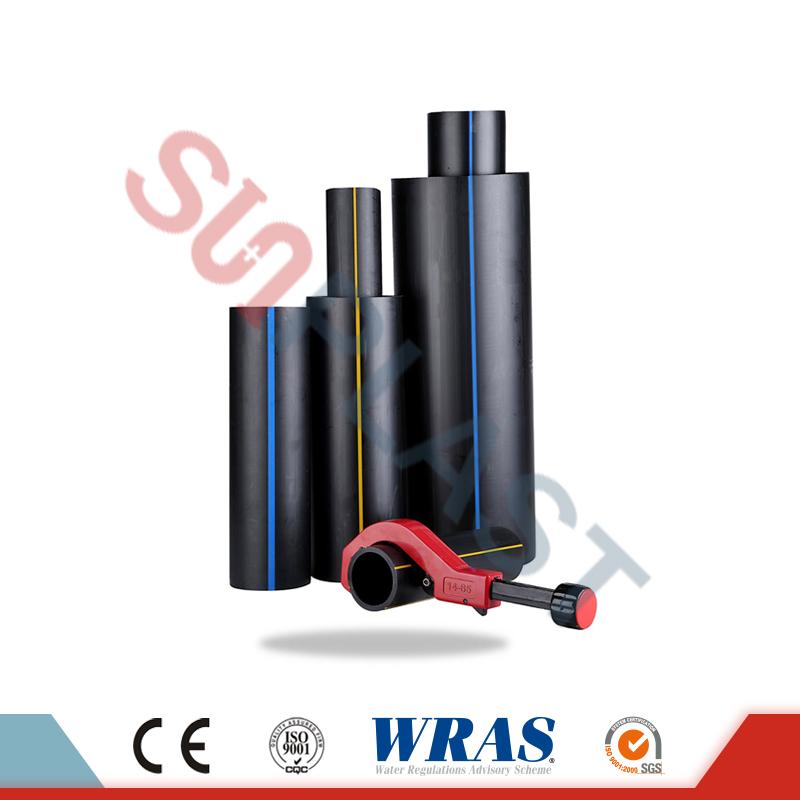
In municipal and commercial sewage projects across North America and Europe, local sewer standards such as ASTM, ISO, and EN specifications directly influence material selection. Engineers and contractors evaluate pipe stiffness, joint integrity, and long-term performance under buried conditions. In this context, HDPE Pipe is widely specified because it meets pressure and non-pressure sewer requirements while supporting trenchless installation methods like horizontal directional drilling. From our experience working with regional contractors, compliance with local codes reduces inspection delays and ensures smoother project approvals. Ningbo Sunplast Pipe Co., Ltd. supports these requirements through documented testing and stable production control, allowing our solutions to integrate seamlessly into public infrastructure systems.
How Do Material Properties Affect Long-Term Sewage System Performance?
Sewage networks operate in aggressive environments that include fluctuating temperatures, chemical exposure, and continuous internal flow. Material properties such as density, flexibility, and impact resistance directly affect service life. HDPE Pipe demonstrates excellent resistance to sulfides, acids, and biological corrosion commonly found in wastewater. Compared with rigid materials, it tolerates soil movement without cracking. Our factory focuses on molecular weight consistency and controlled melt flow to maintain uniform wall structure. These characteristics help our clients reduce leakage risks and minimize long-term maintenance costs in gravity and low-pressure sewer lines.
Which Technical Parameters Should Engineers Review Before Procurement?
Before specifying a sewer pipeline, engineers carefully review technical parameters that determine hydraulic capacity and structural reliability. For HDPE Pipe systems, attention is typically given to diameter range, standard dimension ratio, pressure rating, and joint method. Our production lines are designed to deliver precise tolerances that align with municipal tender requirements. The table below summarizes commonly referenced parameters used in sewage applications.
| Outer Diameter Range | 110 mm to 1200 mm |
| Standard Dimension Ratio | SDR 11 to SDR 26 |
| Pressure Rating | PN6 to PN16 |
| Joint Type | Butt fusion and electrofusion |
These specifications allow designers to balance flow efficiency and burial depth. Our technical team frequently assists project planners in matching pipe class to soil load conditions and flow demands.
Why Is Jointing Method Critical in Modern Sewage Networks?
Leakage at joints is one of the most common causes of sewer system failure. Fusion welding has become the preferred method because it creates a continuous, homogenous pipeline. When properly executed, fused joints exceed the strength of the pipe wall itself. HDPE Pipe joined by butt fusion or electrofusion provides zero infiltration and exfiltration, a key requirement in environmentally sensitive zones. Our installation guidance emphasizes certified welding procedures and on-site quality checks. Sunplast has supported contractors by supplying compatible fittings and stable raw materials that ensure reliable fusion performance under field conditions.
How Do Manufacturing Quality and Supply Reliability Influence Project Success?
Beyond material selection, project owners increasingly evaluate manufacturing capability and delivery reliability. Consistent extrusion, traceable raw materials, and batch testing all contribute to predictable performance. Our factory operates under strict quality management systems, ensuring each production run meets declared specifications. The following table outlines quality control elements valued by municipal buyers.
| Raw Material Control | Virgin PE with verified certificates |
| Dimensional Inspection | Online laser measurement |
| Hydrostatic Testing | Routine pressure verification |
| Traceability | Batch coding and records |
Such controls help ensure HDPE Pipe supplied for sewage systems performs consistently throughout its design life. Our long-term partnerships with distributors reflect our commitment to stable supply and technical transparency.
FAQ
Q1: What soil conditions are most suitable for HDPE Pipe in sewage projects?
HDPE Pipe performs well in a wide range of soils, including clay, sand, and mixed backfill, because its flexibility allows it to accommodate ground movement without structural damage when proper bedding is used.
Q2: How does temperature variation affect sewer pipelines made from this material?
The material maintains stable performance across typical underground temperature ranges, and its thermal expansion can be managed through proper anchoring and installation spacing.
Q3: Can this piping solution support long-distance sewage transmission lines?
Yes, its smooth internal surface reduces friction losses, allowing efficient flow over extended distances while minimizing pumping energy requirements.
Conclusion
Selecting the right sewer pipeline involves balancing regulatory compliance, material performance, joint reliability, and supplier capability. When these factors are evaluated together, HDPE Pipe emerges as a dependable option for modern sewage infrastructure. Ningbo Sunplast Pipe Co., Ltd. continues to support global projects by aligning production quality with installation needs. To discuss specifications or request technical support for upcoming sewage projects, contact our team today and explore how our solutions can add long-term value to your network.