

What Is a Hot Gas Bypass Regulator and Why Is It Critical in Modern Refrigeration Systems?
2026-06-26
In modern refrigeration and HVAC systems, maintaining stable pressure and temperature control is essential for efficiency, equipment longevity, and consistent cooling performance. One of the most important yet often overlooked components that ensures system stability under varying load conditions is the Hot Gas Bypass Regulator. It plays a key role in preventing system instability, compressor cycling issues, and evaporator freeze-up, especially in low-load operating conditions. For manufacturers and solution providers such as Ningbo Sanheng Refrigeration Automatic Control Components Co., Ltd., this component represents both a core product and a critical engineering focus in delivering reliable refrigeration control solutions to global customers.
A Hot Gas Bypass Regulator is designed to redirect a portion of hot discharge gas from the compressor back into the low-pressure side of the system when evaporator load drops. This controlled bypass maintains suction pressure at a safe and stable level, ensuring that the compressor continues operating smoothly even when cooling demand is minimal. Without it, refrigeration systems may experience short cycling, coil icing, or unstable temperature control, all of which reduce efficiency and increase maintenance costs.
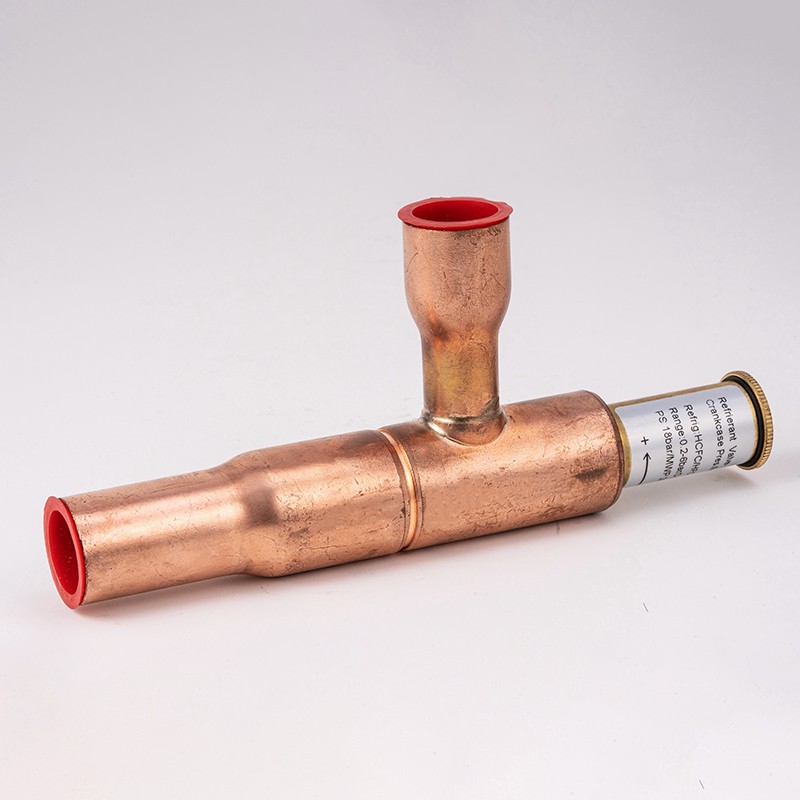
1. How a Hot Gas Bypass Regulator Works
The working principle is based on pressure balancing. When suction pressure drops below a preset value, the Hot Gas Bypass Regulator opens gradually and allows hot gas to enter the evaporator or suction line.
Key operational steps:
- Compressor discharge generates high-pressure hot gas
- Evaporator load decreases, causing suction pressure drop
- Regulator senses pressure difference
- Valve opens proportionally
- Hot gas is redirected to stabilize system pressure
This dynamic adjustment ensures the system remains within optimal operating conditions.
2. Main Functions of Hot Gas Bypass Regulator
The Hot Gas Bypass Regulator performs several critical functions in refrigeration systems:
- Maintains minimum suction pressure
- Prevents evaporator coil freezing
- Reduces compressor short cycling
- Stabilizes temperature control in low-load conditions
- Protects compressor from unstable operation
These functions make it an essential control component in precision refrigeration applications.
3. Why It Is Important in Refrigeration Systems
Without a Hot Gas Bypass Regulator, refrigeration systems often face performance instability, especially under partial load conditions. This is particularly common in cold storage, air conditioning, and process cooling systems.
Importance highlights:
- Improves system reliability
- Extends compressor lifespan
- Enhances energy efficiency
- Ensures stable indoor or process temperature
- Reduces maintenance frequency
For industrial users, these benefits directly translate into lower operating costs and higher system uptime.
4. Hot Gas Bypass Regulator vs Traditional Control Methods
| Feature | Hot Gas Bypass Regulator | On/Off Cycling Control |
|---|---|---|
| System Stability | High | Low |
| Energy Efficiency | Optimized | Inefficient |
| Compressor Protection | Strong | Weak |
| Temperature Control | Precise | Fluctuating |
| Maintenance Needs | Lower | Higher |
Compared with traditional on/off cycling methods, the Hot Gas Bypass Regulator provides smoother and more intelligent system control, making it ideal for modern refrigeration demands.
5. Applications of Hot Gas Bypass Regulator
The Hot Gas Bypass Regulator is widely used across multiple industries:
- Cold storage warehouses
- Food processing systems
- Pharmaceutical refrigeration
- HVAC systems in commercial buildings
- Industrial process cooling
- Data center cooling systems
Each application benefits from stable pressure control and improved operational safety.
6. Types and Design Variations
Different system requirements call for different types of regulators. Common variations include:
- Direct-acting Hot Gas Bypass Regulator
- Pilot-operated regulator
- Adjustable pressure setpoint models
- High-capacity industrial versions
Comparison Table of Types:
| Type | Precision | Capacity | Application |
|---|---|---|---|
| Direct-acting | Medium | Low-Medium | Small systems |
| Pilot-operated | High | High | Industrial systems |
| Adjustable type | High | Medium | Flexible installations |
7. Installation Considerations
Proper installation is essential to ensure performance and durability.
Key installation guidelines:
- Install near compressor discharge line
- Ensure correct pressure setting calibration
- Avoid excessive piping resistance
- Use proper insulation for gas lines
- Perform system pressure testing after installation
Incorrect installation may reduce system efficiency or cause unstable regulation behavior.
8. Energy Efficiency and System Optimization
One of the major advantages of using a Hot Gas Bypass Regulator is improved energy efficiency. By preventing compressor shutdown and restart cycles, the system maintains steady operation, reducing peak energy consumption.
Benefits include:
- Reduced energy spikes
- More stable compressor load
- Improved coefficient of performance (COP)
- Lower electricity costs over time
This makes it especially valuable in large-scale refrigeration systems where energy consumption is a major operational cost.
9. Engineering Quality from Ningbo Sanheng Refrigeration Automatic Control Components Co., Ltd.
As a specialized manufacturer in refrigeration control components, Ningbo Sanheng Refrigeration Automatic Control Components Co., Ltd. focuses on precision engineering, durability, and system compatibility. The company's Hot Gas Bypass Regulator products are designed with high sensitivity control mechanisms, stable pressure response, and long service life.
With strict quality control and advanced manufacturing technology, the company ensures that each regulator meets international refrigeration standards. Its products are widely used in commercial refrigeration systems, industrial cooling equipment, and HVAC engineering projects across global markets.
10. Common Problems and Solutions
| Problem | Possible Cause | Solution |
|---|---|---|
| Unstable suction pressure | Incorrect setting | Recalibrate valve |
| Frequent compressor cycling | Oversized system | Adjust bypass level |
| Ice formation | Low load conditions | Increase bypass flow |
| Noise in system | Gas turbulence | Check piping design |
Proper maintenance ensures long-term stable operation of the Hot Gas Bypass Regulator.
Conclusion
The Hot Gas Bypass Regulator is an essential component in modern refrigeration systems, ensuring stability, efficiency, and protection under varying load conditions. Its ability to maintain suction pressure and prevent system instability makes it indispensable for industrial and commercial applications. With advanced engineering capabilities, Ningbo Sanheng Refrigeration Automatic Control Components Co., Ltd. continues to deliver high-performance control solutions that meet global refrigeration demands.
If you are looking for reliable refrigeration control components or customized solutions for your project, contact us to learn more about our Hot Gas Bypass Regulator products and technical support.