
What Is a Tie Rod and Why Is It Essential for Mechanical Stability?
2026-04-27
Tie Rod is a fundamental component widely used in automotive systems, construction frameworks, and industrial machinery. It plays a crucial role in maintaining structural integrity by connecting different parts and ensuring alignment under tension. Whether in steering systems or formwork applications, the Tie Rod acts as a stabilizing element that absorbs force and distributes load efficiently. Its durability, strength, and reliability make it indispensable in modern engineering.
Understanding the Function of a Tie Rod
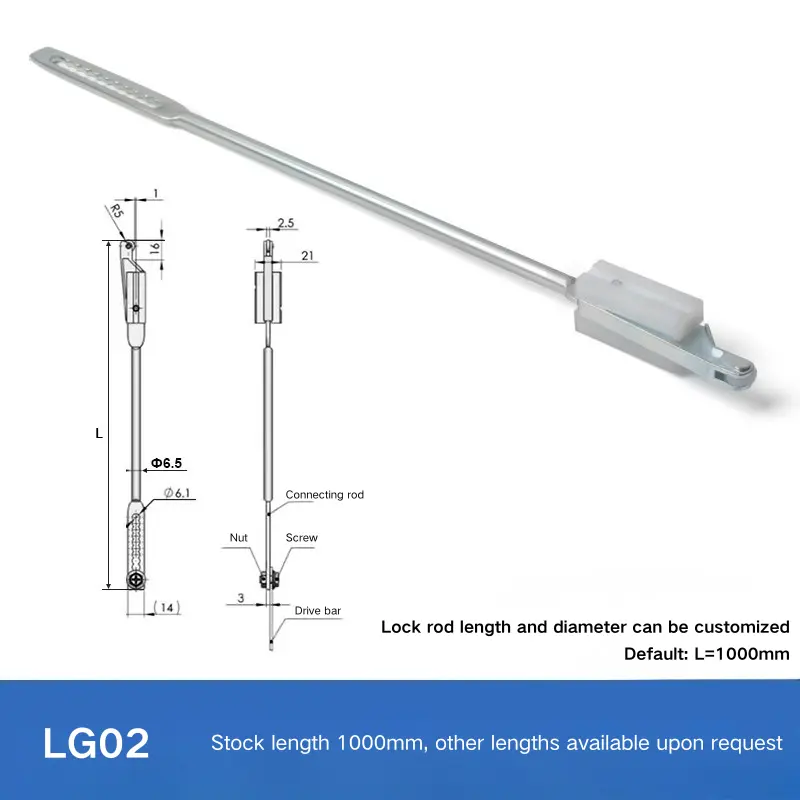
A Tie Rod is typically a slender cylindrical rod with threaded ends, designed to hold two components together. In automotive applications, it connects the steering rack to the steering knuckle, enabling precise wheel movement. In construction, it is used to hold formwork panels in place during concrete pouring.
Key Functions:
- Maintain alignment and balance
- Transfer tensile loads
- Enhance structural safety
- Reduce vibration and wear
Types of Tie Rods and Their Applications
Different industries require different types of Tie Rods. Below is a simple comparison table:
| Type of Tie Rod | Application Area | Key Feature |
|---|---|---|
| Inner Tie Rod | Automotive steering | Connects to steering rack |
| Outer Tie Rod | Automotive steering | Connects to wheel assembly |
| Threaded Tie Rod | Construction/formwork | Adjustable length |
| Hydraulic Tie Rod | Machinery/cylinders | High pressure resistance |
Each type of Tie Rod is engineered to meet specific performance requirements, ensuring efficiency and safety across applications.
Why Tie Rod Quality Matters
The performance of a Tie Rod directly impacts the safety and longevity of the system it supports. A low-quality Tie Rod can lead to misalignment, excessive wear, and even system failure. High-quality materials such as alloy steel or carbon steel are commonly used to ensure durability and resistance to corrosion.
Benefits of High-Quality Tie Rods:
- Longer service life
- Improved load-bearing capacity
- Reduced maintenance costs
- Enhanced operational safety
Tie Rod in Automotive vs Construction: Key Differences
While the core function remains the same, the application differs significantly:
- Automotive Tie Rods focus on precision and flexibility for steering control
- Construction Tie Rods emphasize strength and load-bearing capacity
This distinction highlights the versatility of Tie Rods across industries.
How Zhejiang Yitai Lock Co., Ltd. Adds Value
Zhejiang Yitai Lock Co., Ltd. integrates advanced manufacturing techniques and strict quality control to produce high-performance Tie Rod products. With years of experience in precision hardware, the company ensures that each Tie Rod meets international standards.
Competitive Advantages:
- Advanced production equipment
- Strict quality inspection system
- Customization capabilities
- Competitive pricing
Their commitment to innovation and reliability makes them a trusted partner for global clients seeking durable Tie Rod solutions.
Common Signs of Tie Rod Failure
Understanding early warning signs can prevent costly damage:
- Uneven tire wear
- Steering wheel vibration
- Poor alignment
- Unusual noises during turning
Regular inspection and timely replacement are essential to maintain optimal performance.
Conclusion
Tie Rod is more than just a connecting component—it is a critical element that ensures stability, safety, and efficiency in various mechanical and structural systems. From automotive steering to construction frameworks, its role cannot be overlooked. Choosing a reliable manufacturer like Zhejiang Yitai Lock Co., Ltd. guarantees quality, durability, and performance.
If you are looking for high-quality Tie Rod solutions tailored to your needs, contact us today to explore how we can support your business with precision-engineered products and professional service.