

What Is Fuel Water Separator and Why It Matters in Modern Fuel Systems?
2026-06-26
Fuel contamination is one of the most common yet underestimated causes of engine inefficiency, breakdowns, and costly maintenance. A Fuel Water Separator plays a critical role in protecting diesel engines and fuel systems by removing water and impurities before they reach sensitive components. Whether used in marine engines, construction machinery, agricultural equipment, or commercial vehicles, this device ensures cleaner combustion, longer engine life, and more stable performance.
In today's high-demand industrial environment, fuel quality cannot always be guaranteed. That is why companies like Zhejiang Zhenhang International Trade Co., Ltd. focus on providing reliable fuel system components that help customers reduce operational risks and improve efficiency.
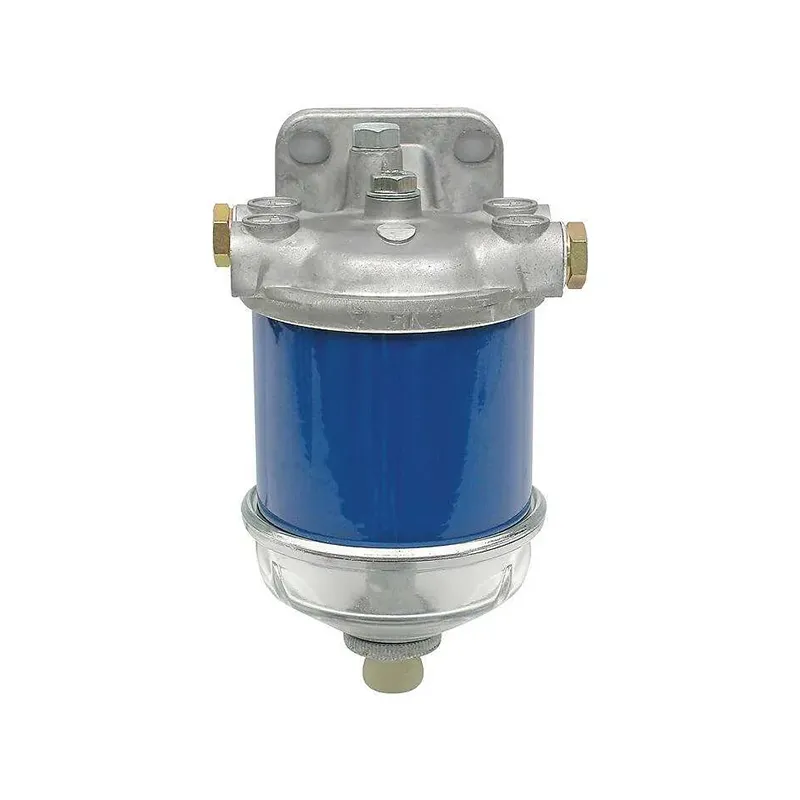
Understanding How a Fuel Water Separator Works
A Fuel Water Separator is designed to separate water and solid contaminants from diesel fuel before it reaches the engine. Since water is heavier than fuel, the separator uses gravity, filtration media, or centrifugal force to isolate impurities.
Basic Working Process:
- Fuel Entry – Contaminated fuel enters the separator housing
- Separation Phase – Water droplets and debris are separated due to density difference
- Filtration Stage – Fine particles are captured by filter media
- Clean Fuel Output – Purified fuel flows into the engine system
- Water Drain – Collected water is removed manually or automatically
This process ensures only clean fuel enters the combustion chamber, reducing wear and improving efficiency.
Why Fuel Contamination Is a Serious Problem
Even small amounts of water in fuel can cause major engine issues. Common problems include corrosion, injector failure, poor combustion, and increased emissions.
Key Risks of Water in Fuel:
- Rust formation in fuel tanks and injectors
- Reduced lubrication leading to component wear
- Engine misfires and unstable performance
- Increased fuel consumption
- Cold-weather fuel freezing issues
A Fuel Water Separator is therefore not just an accessory—it is a necessity for engine protection.
Key Benefits of Using a Fuel Water Separator
A high-quality Fuel Water Separator provides multiple operational and economic benefits.
Main Advantages:
- Engine Protection: Prevents water-related damage
- Improved Efficiency: Ensures cleaner combustion
- Lower Maintenance Costs: Reduces injector and pump failures
- Extended Equipment Life: Protects internal fuel system components
- Better Fuel Economy: Optimizes fuel burning process
Performance Comparison Table
| Feature | Without Separator | With Fuel Water Separator |
|---|---|---|
| Engine Wear | High | Low |
| Fuel Efficiency | Unstable | Optimized |
| Maintenance Cost | Frequent repairs | Reduced servicing |
| Emissions | Higher pollution | Cleaner combustion |
| Engine Lifespan | Shorter | Extended |
Types of Fuel Water Separators
Different applications require different separator designs. Choosing the right type ensures maximum efficiency and protection.
Common Types:
- Centrifugal Separators: Use rotational force to separate water
- Cartridge Filters: Replaceable filter elements for fine filtration
- Two-Stage Separators: Combine water separation and particle filtration
- Integrated Fuel Filter Units: Compact systems for small engines
Application-Based Selection List:
- Heavy trucks → High-capacity cartridge systems
- Marine engines → Corrosion-resistant centrifugal models
- Construction machinery → Durable multi-stage separators
- Agricultural equipment → Compact integrated filters
Fuel Water Separator vs Regular Fuel Filter
Many users confuse a fuel filter with a Fuel Water Separator. While both are important, their functions differ significantly.
| Aspect | Fuel Filter | Fuel Water Separator |
|---|---|---|
| Primary Function | Removes solid particles | Removes water + particles |
| Protection Level | Basic | Advanced |
| Engine Safety | Moderate | High |
| Use Case | Light-duty systems | Heavy-duty & industrial engines |
A Fuel Water Separator provides a higher level of protection, especially in environments where fuel quality is inconsistent.
Importance in Industrial and Commercial Applications
In industries such as transportation, construction, agriculture, and marine operations, equipment downtime can lead to significant financial loss. Fuel contamination is a silent but serious threat.
Why It Is Essential:
- Ensures uninterrupted engine operation
- Reduces emergency repair costs
- Improves fleet reliability
- Supports compliance with emission standards
- Enhances fuel system durability
For manufacturers and suppliers like Zhejiang Zhenhang International Trade Co., Ltd., delivering durable fuel system protection components is a key part of supporting global industrial efficiency.
Maintenance Tips for Fuel Water Separators
To ensure long-term performance, proper maintenance is essential.
Recommended Practices:
- Drain collected water regularly
- Replace filter cartridges on schedule
- Inspect sealing components for leaks
- Clean housing during servicing
- Use high-quality diesel fuel when possible
Ignoring maintenance can reduce efficiency and compromise engine safety.
Signs Your Fuel Water Separator Needs Attention
Recognizing early warning signs can prevent serious engine damage.
Warning Indicators:
- Difficulty starting the engine
- Reduced acceleration power
- Increased fuel consumption
- Water warning light activation
- Visible contamination in fuel bowl
When these symptoms appear, immediate inspection is recommended.
Choosing the Right Fuel Water Separator
Selecting the correct model depends on engine type, usage intensity, and environmental conditions.
Selection Checklist:
- Engine horsepower and fuel flow rate
- Operating environment (dust, humidity, marine exposure)
- Filtration precision requirements
- Maintenance accessibility
- Durability and corrosion resistance
A well-chosen separator improves long-term operational stability.
Future Trends in Fuel Filtration Technology
Fuel systems are evolving alongside stricter environmental regulations and advanced engine designs. Modern Fuel Water Separators are becoming more efficient, compact, and intelligent.
Emerging Trends:
- Smart sensors for water level detection
- High-efficiency multi-layer filtration media
- Lightweight corrosion-resistant materials
- Integrated fuel monitoring systems
- Longer service life filter elements
These innovations will further enhance engine protection and reduce maintenance costs.
Conclusion
A Fuel Water Separator is an essential component for any diesel-powered system, ensuring clean fuel delivery, protecting engines from water damage, and improving operational efficiency. From heavy machinery to marine engines, its role in maintaining performance and reducing costs is undeniable.
High-quality solutions provided by Zhejiang Zhenhang International Trade Co., Ltd. help industries maintain reliable fuel systems and achieve long-term performance stability.
If you are looking for durable and efficient fuel system protection solutions, contact us today to learn more about our Fuel Water Separator products and professional support services.