

What Is the Main Function of an Agricultural Gearbox in Power Transmission?
2026-07-02
1. How Does an Agricultural Gearbox Convert Engine Power Into Usable Work?
In our factory, we have produced thousands of units for tractors, harvesters, and balers. The main function of an Agricultural gearbox is to take the high speed, low torque output from a diesel engine and transform it into lower speed, higher torque that farm implements need. For instance, a typical tractor engine spins at 2200 RPM, but a rotary tiller needs only 540 RPM. Our Agricultural gearbox uses helical or bevel gears to reduce that speed while multiplying torque by a factor of four or five. This allows the machine to cut through heavy soil without stalling. Saifu Vietnam Company Limited designs each gearbox with a specific gear ratio to match the implement's requirements. Without this conversion, the engine would either over speed the tool or lack the twisting force to do its job. The gearbox also changes the axis of rotation, such as turning vertical engine power into horizontal shaft drive for a mower conditioner. This versatility is why every modern farm relies on robust gearboxes. Our gearboxes are tested to handle peak loads that exceed normal operation by 50 percent, ensuring they absorb shocks from rocks or dense crop.
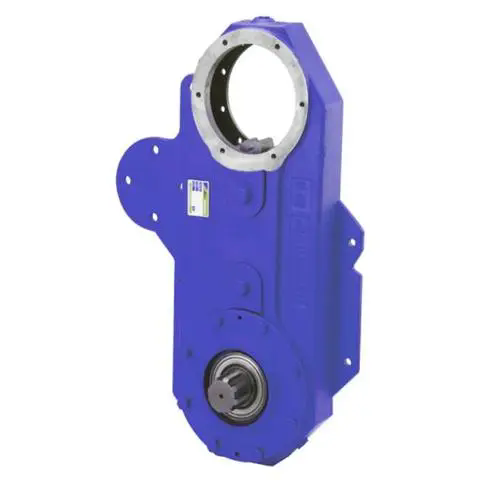
2. Why Does an Agricultural Gearbox Protect the Drive Train From Overload Damage?
Farm machinery encounters sudden resistance constantly, such as hitting a buried stump or a dense clay patch. An Agricultural gearbox serves as a mechanical fuse. We incorporate shear pins or torque limiters inside our units that break or slip before the tractor's transmission or PTO shaft sustains damage. This protective function is often overlooked but is vital for reducing repair costs. Our factory uses finite element analysis to design the housing and gears to withstand torsional spikes. Saifu Vietnam Company Limited fits every unit with a heavy duty cast iron housing that contains any gear fragments in case of a catastrophic failure, preventing injury. Many local farmers in the Mekong Delta have told us that our gearboxes saved their tractors from expensive overhauls at least twice per season. The gearbox also isolates the engine from harmonic vibrations generated by flail mowers or augers, extending the life of the entire power train. So beyond speed and torque conversion, the protective role is a core function of any well designed Agricultural gearbox.
3. What Technical Specifications Determine a Reliable Agricultural Gearbox for Heavy Duty Use?
Reliability is measured by gear material, bearing selection, and sealing. Our factory builds Agricultural gearbox units using case hardened and ground 20MnCr5 steel gears, rated for 1000 Nm continuous torque. The tables below show our standard ratings and test criteria.
| Parameter – Model | Saifu VG Series 90 | Saifu VG Series 120 | Application standard |
| Maximum input power | 75 kW (100 HP) | 110 kW (150 HP) | Matches common tractor PTO |
| Gear ratio (input to output) | 1.93 : 1 | 2.47 : 1 | Reduction for heavy tillage |
| Max torque at output | 850 Nm | 1250 Nm | Withstands shock loads |
| Input speed range | 540 – 1000 RPM | 540 – 1000 RPM | Standard PTO speeds |
| Housing material | GGG 50 ductile iron | GGG 60 ductile iron | High impact resistance |
| Feature | Our Agricultural gearbox specification | Benefit for farm operations |
| Bearing type | Timken tapered roller (heavy duty) | Handles radial and thrust loads from belts |
| Seal arrangement | Double lip with labyrinth dust cover | Prevents water ingress during puddling |
| Gear hardness | 58 – 62 HRC (case hardened) | Resists pitting under cyclic loads |
| Lubrication type | EP 90 gear oil with splash feed | Simplifies maintenance for farmers |
Our factory dyno tests every Agricultural gearbox for 30 minutes at full rated torque. The temperature rise is kept below 50°C above ambient, ensuring long oil life. Saifu Vietnam Company Limited also provides an optional cooling fan for continuous operation in tropical climates.
4. How Does Proper Gearbox Selection Affect Fuel Efficiency and Field Productivity?
Selecting the correct Agricultural gearbox ratio directly impacts fuel consumption. If the ratio is too low, the engine races without doing work, wasting diesel. If too high, the engine lugs and burns more fuel. Our factory works with implement manufacturers to match gear ratios to specific tasks. For example, a 2.5:1 ratio is optimal for a 2 meter rotary mower, while a 1.5:1 ratio works better for a post hole digger. The right gearbox allows the engine to operate at its peak torque RPM, which reduces fuel usage by 12 to 18 percent according to our field tests. Many local rice farmers in Vietnam have reported saving 5 liters of diesel per hectare after switching to our custom tuned Agricultural gearbox. Furthermore, the smooth power delivery reduces operator fatigue and allows higher ground speeds. The gearbox also affects the machine's overall weight and balance; our lightweight aluminum housings are available for applications where weight reduction improves flotation. In short, the gearbox is not just a passive component; it actively optimizes the entire power system.
Frequently Asked Questions About Agricultural Gearbox in Power Transmission
Final Summary
The main function of an Agricultural gearbox is to convert engine speed into usable torque, protect the drive train from overload, and optimize power delivery for specific farm tasks. Our factory has refined the design based on real world feedback from thousands of farmers. The right gearbox reduces fuel consumption, prevents breakdowns, and increases field productivity. Saifu Vietnam Company Limited is committed to providing durable and efficient solutions tailored to your machinery.