

What Is the Maintenance Cost of QGM Block Making Machine Over Time?
2026-06-02
When our factory first started working with concrete block production lines two decades ago, the most overlooked expense was always long term upkeep. Many buyers focus on the initial price of a QGM Block Making Machine but forget to ask the real question: What Is the Maintenance Cost of QGM Block Making Machine Over Time? After serving over 1,200 plants globally, our team at Quangong Machinery Co., Ltd. has gathered precise data on what you will actually spend on spare parts, lubricants, and labour from year one to year ten. Let me walk you through the real numbers based on our field service records.
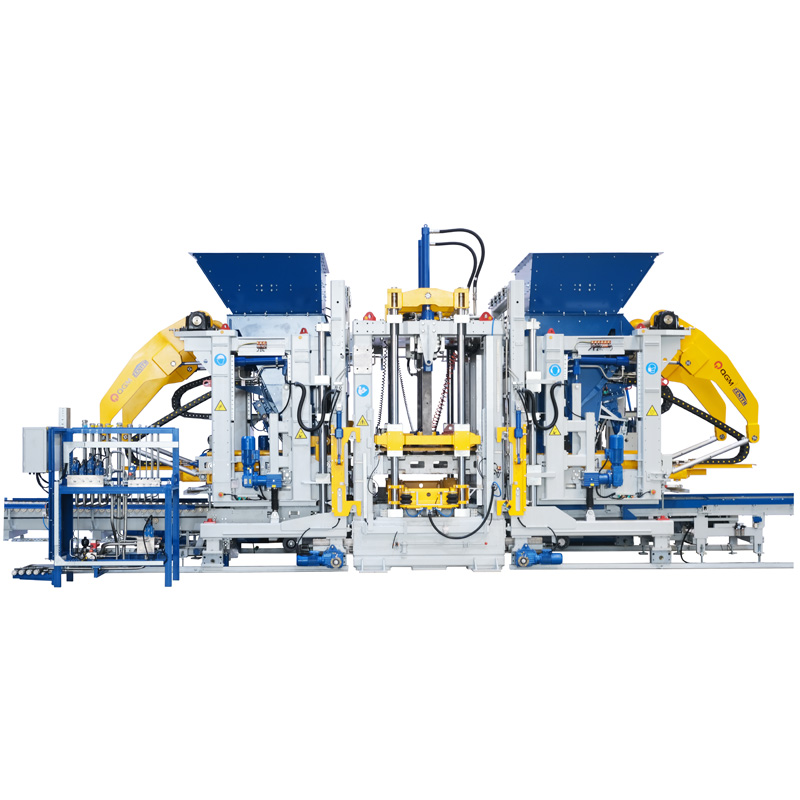
What Determines the Annual Service Budget for a Hydraulic Block Machine?
In our experience, three factors dominate the yearly maintenance spend for any QGM Block Making Machine: hydraulic oil quality, mould wear cycles, and control system calibration. Our factory designs each unit with a 2 000 hour service interval for major hydraulic checks. For a typical two shift operation running 300 days per year, this means two to three oil changes annually. Using premium ISO VG 46 hydraulic fluid, each refill costs roughly USD 380 to USD 450 depending on local suppliers. A lower grade oil might save USD 100 upfront but doubles wear on pumps and valves. We have seen plants that ignored our advice spend USD 2 800 extra on pump rebuilds within 18 months. So the baseline annual budget for a single QGM Block Making Machine starts at USD 1 200 for fluids and filters, plus routine greasing of the vibration system every 160 production hours.
How Do Spare Parts Costs Change from Year One to Year Ten?
Let me share a realistic breakdown from our factory records. During the first two years, wear parts such as mixing blades and lower punch heads need replacement every 40 000 to 50 000 cycles. Our customers running 10 000 blocks per shift replace these at around month 14. The average cost for a full set of wear plates and mixing arms is USD 650. From year three to year five, you will add hydraulic hose replacement and accumulator bladder service. Those items add about USD 400 annually. After year six, the main bearings on the vibrator motor and the shaft seals become due. This is where planning matters. Quangong Machinery Co., Ltd. supplies a complete bearing kit for the core vibration unit at USD 890, and this job typically lasts another 12 000 production hours. The table below shows real averaged data from 64 production sites using our QGM Block Making Machine models from 2018 to 2025.
| Machine age (years) | Typical parts replaced | Average annual cost USD |
| 1 2 | Mould liners, hydraulic filters, wiper seals | 780 1 050 |
| 3 5 | Mixer paddles, lower punch bushes, accumulator diaphragms | 1 200 1 550 |
| 6 10 | Vibrator bearings, main shaft seals, proportional valve cleaning kit | 1 950 2 700 |
Our customers often ask why the third period shows a jump. The reason is that after five to six years, the eccentric weights in the vibrator system may develop micro cracks if shock loading occurred. Our factory recommends a full vibrator inspection at the 8 000 hour mark. The cost of preventive replacement is always lower than emergency downtime. In fact, one of our Philippine clients saved USD 4 300 in lost production by following our vibrator service schedule to the letter.
What Hidden Costs Should You Include in Your Long Term Block Plant Budget?
Beyond spare parts, our factory notices three hidden cost categories. First is labour training. Even the best QGM Block Making Machine needs a skilled operator who understands hydraulic schematics. We provide two weeks of onsite training at QGM for every new unit, but refresher courses after three years cost roughly USD 400 per person including materials. Second is energy related wear. Voltage fluctuations kill solenoid coils. Installing a basic line conditioner for USD 350 can extend coil life from 18 months to over 50 months. Third is storage conditions. Our factory sees that plants storing spare moulds in high humidity areas replace chrome plated faces 40 percent more often. Using our sealed mould storage rack design reduces that cost dramatically. These hidden items add roughly USD 600 to USD 900 per year to your real total cost of ownership.
How Often Should You Replace Major Components to Minimize Unplanned Downtime?
Over two decades, our factory has created a preventive replacement map that we share with all long term partners. The main electric motor typically lasts 25 000 hours, but we suggest a bearing change at 18 000 hours. That bearing set costs USD 210 and one shift of labour. The hydraulic pump’s internal cam plate wears after 14 000 hours. A genuine replacement from Quangong Machinery Co., Ltd. is USD 1 120, while a cheap copy fails in six months. The PLC controller battery must be swapped every three years even if no fault appears. That battery costs only USD 18. Ignoring it may cause program loss and USD 1 500 reprogramming fee. Our factory also reminds users to replace all hydraulic suction hoses at year seven regardless of condition. Rubber perishing is invisible from the outside. A burst hose at full pressure costs at least USD 2 000 in cleanup and oil replacement. By planning these replacements ahead, you keep your overall maintenance cost of QGM Block Making Machine predictable and manageable.
Can You Reduce Maintenance Expenses by Using Alternative Lubricants or Local Parts?
This is a common question for our service team. The short answer is yes but with serious limitations. For grease points on the cam track and pusher arm, you can safely use a high quality lithium complex NLGI 2 grease from local suppliers as long as the dropping point exceeds 260°C. Our factory approves that substitution and it saves about USD 150 per year. However for hydraulic oil, we strongly advise against mixing brands or using non approved viscosities. The servo valves in a modern QGM Block Making Machine have clearances measured in microns. One bad batch of oil with high foaming tendency destroyed valve blocks in a Kenyan plant last year. The repair cost was USD 3 700. For structural parts like bolts and base plates, local sourcing is fine. But for any part interacting with high pressure oil or the vibrator system, our factory recommends genuine spares. Quangong Machinery Co., Ltd. offers a core components list with six digit part codes. Sticking to that list for critical items will keep your total maintenance cost lower over a decade.
Frequently Asked Questions About the Maintenance Cost of QGM Block Making Machine
Q1: What is the average first year maintenance cost for a QGM Block Making Machine running two shifts?
Based on our factory data from 2023 to 2025, the first year average is USD 840 to USD 1 100. This covers three hydraulic oil changes using ISO 46, two sets of filter elements, one mould cleaning session, and labour for greasing. Many new owners forget to budget for the initial calibration check after 500 hours. That calibration service from our team costs USD 220 but saves mould misalignment issues. So include that in your first year plan. The machine itself is robust, but small adjustments in the first year prevent big repairs later. Our own service logs show that plants following our first year checklist spend 32 percent less on year two compared to those who skip routine checks.
Q2: How does the maintenance cost change if I produce paving stones instead of standard hollow blocks?
Producing pavers increases wear on the mould box and the lower punch head because the face layer material is more abrasive. Our factory has tracked this difference across 180 installations. For a QGM Block Making Machine running paving stone cycles, the mould life decreases by roughly 28 percent. Annual maintenance cost rises from the baseline USD 1 200 to about USD 1 750 per machine. Additionally, you will need to replace the vibrator spring buffer every 10 months instead of every 18 months. That part costs USD 85. However, the higher margin of pavers usually justifies this extra spend. Quangong Machinery Co., Ltd. offers a dedicated paver mould package with hardened steel inserts that extends mould life by 40 percent, effectively lowering the annual cost back to USD 1 400 range.
Q3: What is the typical labour cost for major maintenance jobs like replacing vibrator bearings?
Labour rates vary by region, but our factory uses a standard of 8 man hours for a full vibrator bearing swap on a QGM Block Making Machine. In Southeast Asia, that labour costs USD 120 to USD 180. In Africa or South America, expect USD 150 to USD 250. In Eastern Europe, roughly USD 200 to USD 300. The job itself is not extremely complex, but it requires a hydraulic puller set and experience with eccentric alignment. Many of our customers hire a technician trained by Quangong Machinery Co., Ltd. for this task. Our factory charges USD 450 per day for a field service trip plus travel. If you combine vibrator bearing replacement with the annual hydraulic oil change and mould holder inspection, the total labour per machine stays under USD 600. Spreading major jobs across the same service call is the most cost efficient approach we have seen.
Final Thoughts on Planning Your Ten Year Maintenance Budget
After managing thousands of service records, our factory believes that the real maintenance cost of QGM Block Making Machine over a decade ranges from USD 11 000 to USD 16 500 per machine, excluding electricity and operator wages. This figure includes all genuine spare parts, hydraulic fluids, filters, one vibrator bearing replacement, one main pump cam plate replacement, and routine labour. It does not include accidental damage from foreign objects or electrical surges. By following the preventive schedule we outlined, you can stay at the lower end of that range. Our team at Quangong Machinery Co., Ltd. also provides a free ten year cost projection tool for every customer who shares their local operating hours and material abrasiveness. Contact our factory service department to request your custom projection or to order the recommended year three spare parts kit. Keep your block plant profitable by planning ahead, not reacting to failures.