

What Maintenance Practices Ensure Optimal Performance of Octagonal Ring Joint Gaskets?
2026-01-23
For decades, the reliable sealing of high-pressure, high-temperature connections in critical applications has depended on one specialized component: the Octagonal Ring Joint Gasket. As a cornerstone of safety and integrity in piping and vessel systems, its performance is non-negotiable. However, achieving long-term, leak-free service is not solely a function of initial installation. Sustained optimal performance hinges on disciplined, knowledgeable maintenance practices. At Ningbo Kaxite Sealing Materials Co., Ltd., our expertise is rooted in understanding not just how to manufacture superior gaskets, but how to ensure they perform flawlessly throughout their service life. This guide details the essential maintenance practices that protect your operations.
Understanding the Octagonal Ring Joint Gasket and Its Demands
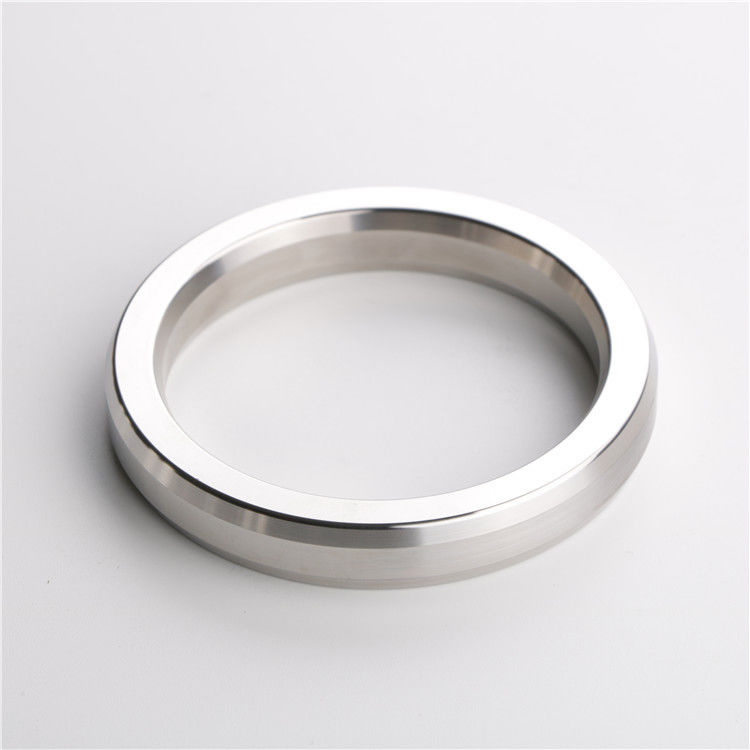
Before discussing maintenance, one must appreciate what sets this gasket apart. Unlike flat gaskets, the Octagonal Ring Joint Gasket creates a seal through high-integrity metal-to-metal contact. It is designed to fit into the groove of an RTJ (Ring Type Joint) flange, where controlled flange bolt tightening deforms the gasket slightly, causing its angled faces to bite into the flange grooves. This creates a formidable, high-strength seal. The geometry—whether octagonal or oval—is precision-engineered. Our factory dedicates immense resources to metallurgy and machining tolerances, as even minor deviations can compromise the seal. The maintenance regimen for such a component is inherently proactive and precise, focusing on inspection, handling, and reinstallation protocols.
Core Maintenance Practices for Peak Performance
Optimal performance is a cycle of proper installation, vigilant monitoring, and careful reuse assessment. Neglecting any phase introduces risk.
1. Pre-Installation Inspection and Handling
Maintenance begins before the gasket ever sees a flange. Always inspect a new or reused Octagonal Ring Joint Gasket for any signs of damage. This includes visual checks for scratches, nicks, galling, or corrosion on the sealing surfaces. Dimensional verification with calibrated tools is crucial to ensure it meets specifications. Our quality control process is rigorous, but field handling can introduce defects. Store gaskets in a clean, dry environment and only remove them from protective packaging when ready for installation. Never use a gasket as a lifting point or handle it with tools that can mar the sealing surfaces.
2. Installation Torque and Procedure
Incorrect bolt torque is the primary cause of seal failure. Both under-torquing and over-torquing are detrimental. Follow a cross-pattern tightening sequence to apply load evenly across the flange face. Use calibrated torque wrenches and adhere to the calculated torque values specified for your specific flange material, pressure class, and gasket material. The goal is to achieve sufficient deformation of the Octagonal Ring Joint Gasket to create the seal without crushing it or overstressing the flange bolts. Our technical support team can provide guidance based on our extensive data from testing in our factory.
3. Routine Operational Monitoring
While the seal is in service, maintenance involves monitoring the system for indicators of potential gasket issues. Unexplained pressure drops, visual signs of leakage (where accessible), or abnormal system behavior should prompt investigation. Regularly check flange connection temperatures, as excessive heat can affect gasket material properties. Remember, the Octagonal Ring Joint Gasket is a static seal; it should not require adjustment during operation. If leakage is suspected, planning for a safe shutdown and inspection is the correct procedure.
4. Post-Shutdown Inspection and Reusability Assessment
Upon system shutdown and disassembly, the most critical maintenance phase begins. Examine the used gasket meticulously. Look for uniform contact patterns (shine marks) on the sealing faces. Heavy, uneven indentations, twisting, or signs of flattening indicate improper installation or overload. At Ningbo Kaxite Sealing Materials Co., Ltd., we generally advise against reusing Octagonal Ring Joint Gaskets in critical service, as the work-hardened metal may not reseal reliably. However, for less critical applications, reuse may be considered only if the gasket is flawless, within dimensional tolerance, and the material is suitable. When in doubt, replace it with a new gasket from a trusted supplier like our company.
Key Product Parameters from Ningbo Kaxite Sealing Materials Co., Ltd.
Selecting the right gasket is the first step in a successful maintenance strategy. Our production of Octagonal Ring Joint Gaskets adheres to international standards, with parameters that define performance. Here are the critical specifications:
| Parameter | Description & Standard Reference |
| Standard Specifications | Manufactured to meet ASME B16.20, API 6A, ISO 17590, and other relevant specifications for dimensional accuracy. |
| Standard Sizes & Pressure Classes | Available for all standard flange sizes (e.g., 1/2" to 24" and larger) and pressure classes (e.g., Class 150 to 2500, 3000psi, 5000psi, 10000psi, 15000psi). |
| Common Materials | Soft Iron, Low Carbon Steel, 316 Stainless Steel, Alloy 20, Inconel 600/625, Monel, Copper, and other alloys upon request. |
| Hardness Requirements | Material hardness is strictly controlled to be 5 to 10 Brinell points softer than the mating flange to ensure proper bite and seal without damaging the flange. |
| Surface Finish | Sealing surfaces are machined to a fine finish (typically 63 microinches or better) to facilitate a clean, leak-tight seal. |
| Coating/Plating | Options like zinc, cadmium, or silver plating are available for corrosion resistance and anti-galling properties. |
Understanding these parameters helps in specifying the correct gasket for the service conditions, which is foundational to minimizing maintenance issues. Our factory capabilities allow us to produce gaskets that consistently meet these precise requirements.
Essential FAQs on Octagonal Ring Joint Gasket Maintenance
FAQ 1: Can an Octagonal Ring Joint Gasket be reused, and what are the criteria for reuse?
Reuse is generally not recommended for critical, high-pressure, or high-temperature services. For non-critical applications, reuse may be considered only after a thorough inspection. The gasket must be completely free of any scratches, dents, or corrosion on the sealing surfaces. Its dimensions must still be within the specified tolerance limits, and there should be no signs of flattening or distortion. The hardness should be retested if possible. At Kaxite Sealing, we emphasize that the cost of a new gasket is minimal compared to the risk and cost of a leak from a compromised reused gasket.
FAQ 2: What is the correct procedure for cleaning the gasket and flange groove before installation?
The procedure is vital. First, completely remove the old gasket. Then, clean the flange grooves and the new gasket's sealing surfaces with a non-metallic brush and a suitable solvent to remove all dirt, oil, and debris. Inspect the flange grooves for any damage or wear. The surfaces must be clean, dry, and undamaged. Do not use wire brushes or abrasive pads that can scratch the metal. A light application of a suitable lubricant (like anti-seize compound) on the non-sealing surfaces can aid assembly, but never on the angled sealing faces.
FAQ 3: How do we diagnose the cause of a leak from an Octagonal Ring Joint Gasket connection?
Diagnosis requires examining the used gasket after disassembly. A uniform, continuous shine mark on both sides of the gasket's sealing ring indicates good contact. If the mark is uneven or only on one side, it suggests flange misalignment or uneven bolt loading. Deep, heavy indentations or a flattened gasket profile point to over-torquing. Scratches or galling on the sealing faces indicate improper handling or contamination during installation. Cross-channeling (a zig-zag pattern) can indicate vibration or movement. Matching the visual evidence to these common failure modes guides the corrective action for the next installation.
Proactive Partnership for Sealing Integrity
Ensuring the optimal performance of an Octagonal Ring Joint Gasket is a technical discipline that blends careful procedure with deep product knowledge. It extends from the shelves of our factory to the final torque applied on your flange. By adhering to strict inspection, precise installation, and conservative reuse policies, you maximize safety and operational continuity. We view our role not just as a manufacturer, but as a resource for our clients' sealing integrity. Investing in high-quality gaskets and informed maintenance is an investment in plant safety and productivity. Let our experience be the foundation of your reliable sealing strategy.