

What Maintenance Practices Help Maximize the Life of Graphite PTFE Filament Packing?
2026-04-22
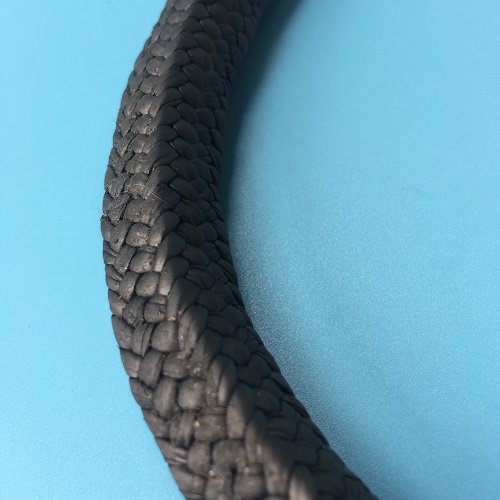
In industrial plants, rotating pumps and valve systems often run under continuous duty, thermal cycling, and fluctuating pressure. Under these conditions, packing performance depends not only on material quality but also on maintenance discipline. Graphite PTFE Filament Packing is widely selected because it combines low friction, chemical resistance, thermal stability, and shaft-friendly operation. However, even premium packing can fail early when gland load, alignment, or lubrication practices are ignored.
Our field experience shows that many premature failures begin with over-tightening during startup. Operators often try to stop leakage immediately, but excessive gland pressure increases sleeve wear and raises running temperature. Our factory recommends a controlled break-in process that allows the rings to seat naturally while maintaining acceptable leakage levels.
Ningbo Kaxite Sealing Materials Co., Ltd. has supplied sealing products for maintenance teams that require stable service intervals and lower downtime. In demanding applications, the best results come from combining proper packing selection with consistent inspection routines.
How Should Installation Be Handled for Longer Operating Cycles?
Installation is the first step in extending packing life. Before fitting new rings, technicians should clean the stuffing box, inspect the shaft sleeve, and remove any hardened residue. Scratched sleeves, burrs, or corrosion can quickly damage fresh packing surfaces. Graphite PTFE Filament Packing performs best when each ring is cut accurately and installed one at a time with staggered joints.
Our maintenance guidance is to use a split bushing or sizing mandrel whenever possible. This helps produce true ring dimensions and better contact pressure. After assembly, tighten gland followers evenly to avoid cocking. During startup, allow a small controlled leakage rate on pumps so the packing can cool and bed in correctly.
Our factory often advises customers to replace worn sleeves at the same time as packing renewal. Reusing damaged hardware may appear economical, yet it usually shortens the next maintenance cycle.
| Property | Typical Value |
| Construction | Braided graphite PTFE yarn |
| Temperature Range | Minus 100 C to 280 C |
| pH Range | 0 to 14 except strong oxidizers |
| Linear Speed | Up to 20 m/s depending on duty |
| Pressure Pumps | Up to 20 bar |
| Pressure Valves | Up to 100 bar depending on design |
What Daily Operating Checks Prevent Early Failure?
Routine checks are often the difference between a planned shutdown and an emergency repair. Operators should monitor leakage rate, gland temperature, vibration, and power draw. A sudden temperature rise may indicate over-compression or dry running. Increased leakage may point to wear, shaft runout, or pressure spikes. Graphite PTFE Filament Packing can tolerate harsh service, but no packing should run unattended when operating conditions change.
Our recommended schedule includes visual inspection during each shift and torque review during preventive maintenance windows. Where instrumentation is available, trend gland temperature and bearing condition together. This often reveals misalignment before it damages the seal area.
Ningbo Kaxite Sealing Materials Co., Ltd. supports users in chemical processing, utilities, paper mills, and water treatment where uptime targets are strict. In these sectors, simple monitoring routines often deliver the highest return.
| Inspection Item | Recommended Action |
| Leakage Level | Keep within normal operating range |
| Gland Temperature | Investigate sudden heat increase |
| Bolt Tightness | Adjust evenly in small increments |
| Shaft Condition | Check scoring or wobble |
| Vibration | Review alignment and bearings |
| Flush System | Ensure clean and stable flow |
Which Maintenance Errors Commonly Reduce Packing Longevity?
The most common mistake is over-tightening to eliminate all leakage on centrifugal pumps. Packing generally needs slight leakage for cooling and lubrication. Another error is mixing old and new rings in one set. Uneven density creates poor load distribution and unstable sealing. Graphite PTFE Filament Packing should be replaced as a complete set unless equipment design specifically allows partial renewal.
Ignoring shaft sleeve condition is another expensive oversight. A worn sleeve acts like sandpaper against new packing. Our technicians also caution against dry installation in applications requiring compatible lubrication or flush support. Our factory can review service media and recommend suitable fitting procedures.
Kaxite frequently helps users troubleshoot repeated leakage that was originally caused by equipment condition rather than packing grade alone.
How Can FAQ Guidance Help Maintenance Teams Improve Results?
How often should packing glands be adjusted after installation?
After startup, inspect leakage and temperature frequently during the first operating hours. Make only small and even adjustments. Once the rings are seated and stable, move to the plant’s preventive maintenance schedule.
Can Graphite PTFE Filament Packing run in chemical service?
Yes, it offers broad chemical resistance and is commonly used in many process fluids. Final suitability depends on concentration, temperature, pressure, and the presence of strong oxidizing media.
When should the full packing set be replaced instead of retightened?
If repeated adjustments no longer control leakage, if gland travel is nearly exhausted, or if heat and scoring are visible, a full replacement is usually the most reliable and cost-effective solution.
Why Does a Structured Maintenance Plan Deliver Better Long-Term Value?
Reliable sealing performance is built through correct installation, measured adjustment, routine inspection, and timely replacement of worn hardware. Graphite PTFE Filament Packing can provide long service life when these fundamentals are followed. Plants that document leakage trends and operating data usually achieve lower repair costs and fewer unplanned stoppages.
If your site is reviewing packing failures, shaft wear, or maintenance intervals, contact our team for technical support. Our factory can recommend the right size, density, and application method for your next overhaul program.