
What Makes a Flow Meter Essential for Modern Industrial Applications?
2026-06-04
In today's industrial landscape, accurate measurement of fluid flow is critical for efficiency, safety, and cost control. From chemical plants to water treatment facilities, a Flow Meter ensures precise monitoring of liquids and gases, enabling seamless operations. For companies like Ningbo TRUPOW Industrial Trade Co., Ltd., delivering reliable and advanced flow measurement solutions has become an integral part of supporting industrial efficiency.
Flow meters play a pivotal role in process optimization, energy management, and quality assurance. Choosing the right type can significantly impact operational performance, while improper selection may lead to measurement errors, downtime, or even safety hazards.
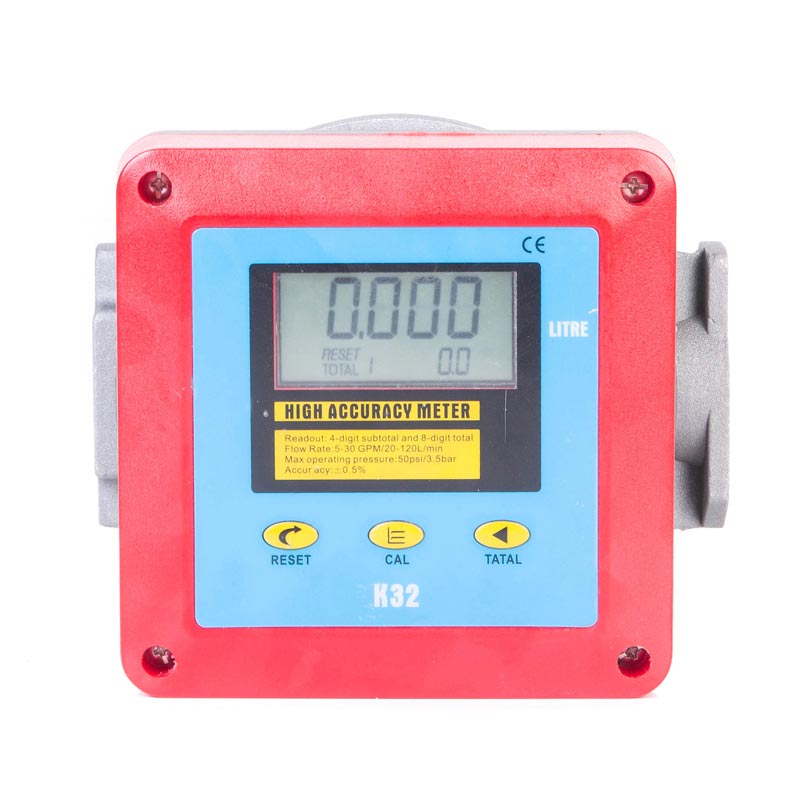
Types of Flow Meters: Comparing Options
Selecting the most suitable flow meter depends on the fluid type, temperature, pressure, and required accuracy. Below is a simplified comparison:
| Flow Meter Type | Advantages | Ideal Applications |
|---|---|---|
| Electromagnetic | High accuracy, no moving parts, minimal maintenance | Water, wastewater, slurries |
| Ultrasonic | Non-intrusive, works for large pipes, versatile | Oil, gas, clean water |
| Turbine | Cost-effective, reliable for steady flow | Fuels, lubricants, chemicals |
| Coriolis | Measures mass flow, highly accurate | Chemical processing, food & beverage |
| Rotameter | Simple design, easy to install | Laboratory and low-pressure applications |
Each type comes with unique advantages and considerations. Companies like Ningbo TRUPOW Industrial Trade Co., Ltd. provide expert guidance to match the best flow meter technology to your specific industrial needs.
Why Flow Meters Are Important
Flow meters are not just measurement tools—they are crucial for operational efficiency:
- Process Optimization: Accurate readings allow precise control over fluid delivery.
- Cost Reduction: Reduces waste and prevents overuse of resources.
- Safety Assurance: Detects abnormal flow patterns to prevent leaks or system failures.
- Regulatory Compliance: Ensures operations meet industry standards.
How Flow Meters Improve Industrial Efficiency
Modern industries require real-time monitoring and smart control. Flow meters provide actionable data for automation systems, enabling predictive maintenance and reducing downtime. For example, integrating an electromagnetic or ultrasonic flow meter can enhance monitoring in pipelines with minimal disruption.
Moreover, proper installation and calibration are key. Experts from Ningbo TRUPOW Industrial Trade Co., Ltd. ensure that each flow meter delivers reliable and repeatable results, which directly contributes to operational stability and higher production efficiency.
Best Practices for Choosing a Flow Meter
When selecting a flow meter, consider the following checklist:
- Type of fluid (liquid, gas, slurry)
- Pipe size and installation requirements
- Required measurement accuracy
- Operating temperature and pressure
- Maintenance capabilities
- Integration with existing control systems
By carefully evaluating these factors, industrial operators can select a flow meter that maximizes performance and longevity.
Conclusion
A Flow Meter is more than a measurement device—it's a strategic investment in operational efficiency, safety, and cost-effectiveness. Companies like Ningbo TRUPOW Industrial Trade Co., Ltd. specialize in delivering high-quality flow meters suited to diverse industrial applications, helping clients optimize processes and maintain competitive advantage.
For more details on the right flow meter for your operations, contact us today to discuss customized solutions tailored to your industrial needs.