

What Makes Electronic Precision Stamping Terminals Essential for Modern Electronics?
2026-05-26
In today's fast-evolving electronics industry, precision and reliability are more important than ever. From automotive systems and consumer electronics to industrial automation and communication equipment, manufacturers require components that ensure stable electrical connections and long-term performance. Among these critical components, Electronic Precision Stamping Terminals play a vital role in improving conductivity, durability, and assembly efficiency.
As electronic devices become smaller, smarter, and more complex, the demand for high-quality precision terminals continues to grow. Companies such as Xiamen Lijingda Hardware Products Co., Ltd. are focusing on advanced manufacturing technologies to provide reliable and customized stamping terminal solutions for global customers.
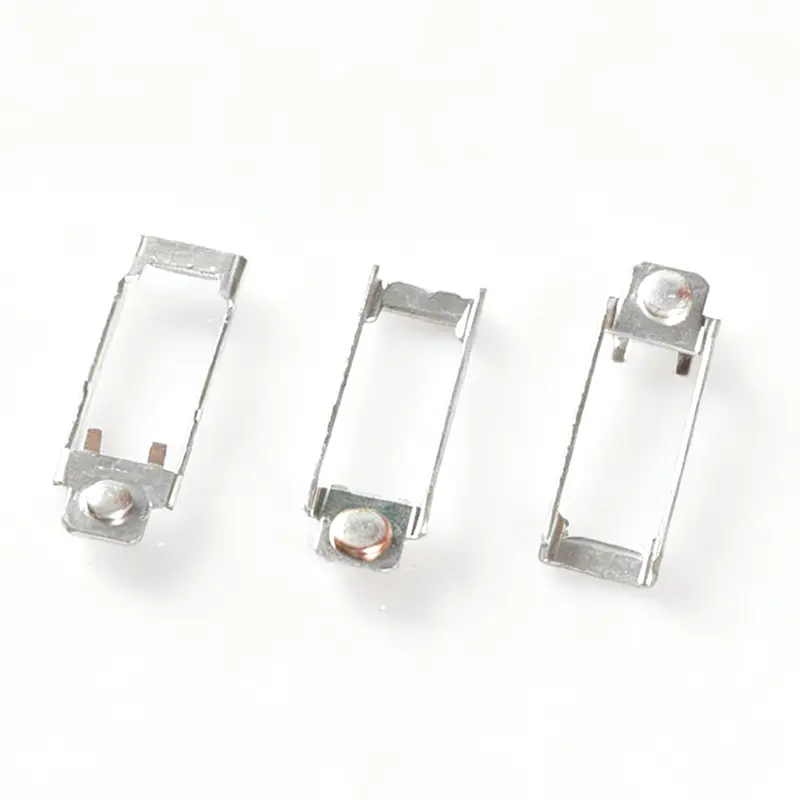
1. Introduction to Electronic Precision Stamping Terminals
Electronic Precision Stamping Terminals are metal connection components manufactured through high-precision stamping technology. They are designed to create secure electrical connections within electronic systems and devices. These terminals are commonly used in connectors, switches, relays, circuit boards, wiring harnesses, and battery systems.
Precision stamping technology allows manufacturers to produce terminals with consistent dimensions, excellent conductivity, and high mechanical strength. This process is especially suitable for mass production because it ensures efficiency while maintaining strict quality standards.
2. Why Are Precision Stamping Terminals Important?
Electronic systems depend heavily on stable electrical connections. Even a small connection failure can affect the overall performance of a product. High-quality Electronic Precision Stamping Terminals help solve this problem by providing:
- Stable electrical conductivity
- Strong mechanical performance
- Resistance to corrosion and wear
- High precision and consistency
- Long service life
In industries such as automotive electronics and medical equipment, reliability is critical. Precision terminals help manufacturers meet strict safety and performance requirements.
Key Benefits at a Glance
| Feature | Benefit |
|---|---|
| High Precision | Ensures accurate connection |
| Excellent Conductivity | Improves electrical efficiency |
| Durable Materials | Extends product lifespan |
| Corrosion Resistance | Suitable for harsh environments |
| Mass Production Capability | Reduces manufacturing costs |
3. Main Features of Electronic Precision Stamping Terminals
High Dimensional Accuracy
Modern electronic devices require extremely precise components. Precision stamping technology enables tight tolerances and consistent dimensions for every terminal produced.
Excellent Conductivity
Materials such as copper and brass provide excellent electrical conductivity, ensuring stable signal transmission and power delivery.
Lightweight and Compact Design
As electronic devices continue to become smaller, compact terminals are increasingly important. Precision stamping allows manufacturers to create miniaturized components without sacrificing performance.
High Durability
Precision terminals are designed to withstand vibration, temperature fluctuations, and long-term usage, making them suitable for demanding applications.
4. Common Materials Used in Stamping Terminals
Different materials are selected based on conductivity requirements, corrosion resistance, and mechanical strength.
Commonly Used Materials
- Copper
- Brass
- Stainless Steel
- Phosphor Bronze
- Aluminum Alloy
Material Comparison Table
| Material | Advantages | Typical Applications |
|---|---|---|
| Copper | Excellent conductivity | Electrical connectors |
| Brass | Good strength and conductivity | Automotive terminals |
| Stainless Steel | Corrosion resistance | Industrial equipment |
| Phosphor Bronze | High elasticity | Spring terminals |
| Aluminum Alloy | Lightweight | Consumer electronics |
Manufacturers like Xiamen Lijingda Hardware Products Co., Ltd. can also provide customized material solutions according to customer requirements.
5. Applications Across Different Industries
Automotive Industry
Modern vehicles contain thousands of electrical connections. Electronic Precision Stamping Terminals are widely used in:
- Automotive wiring harnesses
- Battery management systems
- Sensors and control modules
- Electric vehicle charging systems
Consumer Electronics
Precision terminals are essential for smartphones, laptops, wearable devices, and home appliances because they provide compact and reliable connectivity.
Industrial Automation
Industrial machinery requires durable and vibration-resistant terminals for stable operation in harsh environments.
Telecommunications
Communication devices rely on high-speed signal transmission, making high-precision terminals crucial for performance and reliability.
Medical Equipment
Medical devices require highly reliable components to ensure patient safety and stable system operation.
6. Advantages of Choosing High-Quality Terminals
Choosing premium-quality Electronic Precision Stamping Terminals offers many long-term advantages.
Improved Product Reliability
Reliable terminals reduce the risk of electrical failure and improve overall system stability.
Lower Maintenance Costs
High-quality terminals have better durability and corrosion resistance, reducing maintenance frequency and replacement costs.
Enhanced Production Efficiency
Precision stamping technology supports high-speed automated production, improving manufacturing efficiency.
Better Customization Options
Professional manufacturers can provide customized shapes, sizes, and surface treatments according to specific application requirements.
7. Precision Stamping Process Explained
The manufacturing process of Electronic Precision Stamping Terminals involves several important steps.
Step 1: Material Selection
The appropriate metal material is selected based on conductivity, strength, and environmental requirements.
Step 2: Mold Design
Precision molds are designed to achieve accurate dimensions and consistent quality.
Step 3: High-Speed Stamping
Advanced stamping machines shape the metal into the desired terminal structure with high precision.
Step 4: Surface Treatment
Surface treatments such as nickel plating, tin plating, or gold plating improve corrosion resistance and conductivity.
Step 5: Quality Inspection
Strict quality control ensures that each terminal meets technical and performance standards.
8. How to Choose the Right Manufacturer
Selecting a reliable supplier is critical for ensuring product quality and long-term cooperation.
Important Factors to Consider
Manufacturing Experience
An experienced manufacturer understands industry standards and production challenges.
Advanced Equipment
Modern stamping machines and inspection systems ensure stable quality and efficient production.
Customization Capability
Different industries require different specifications, so customization ability is essential.
Quality Control System
A professional quality management system guarantees consistent product performance.
Customer Support
Reliable technical support and responsive communication help improve project efficiency.
Xiamen Lijingda Hardware Products Co., Ltd. specializes in manufacturing precision hardware products and provides customized electronic stamping terminal solutions for customers worldwide.
9. Future Trends in Electronic Precision Stamping Terminals
As technology continues to evolve, the precision terminal industry is also developing rapidly.
Miniaturization
Smaller electronic devices require increasingly compact and precise terminals.
Smart Manufacturing
Automation and intelligent production systems are improving manufacturing efficiency and product consistency.
Eco-Friendly Materials
Sustainable materials and environmentally friendly production processes are becoming more important.
Electric Vehicle Growth
The rapid expansion of electric vehicles is increasing demand for high-performance precision terminals.
High-Speed Connectivity
5G communication and advanced computing systems require terminals with superior signal transmission performance.
10. FAQ
What are Electronic Precision Stamping Terminals used for?
They are used to create reliable electrical connections in automotive, industrial, consumer electronic, telecommunications, and medical applications.
Why is precision important in stamping terminals?
High precision ensures accurate connections, stable conductivity, and consistent product quality.
Which material is best for stamping terminals?
Copper and brass are widely used because of their excellent conductivity and durability, while stainless steel is suitable for harsh environments.
Can precision stamping terminals be customized?
Yes. Professional manufacturers can customize size, material, shape, plating, and performance according to customer requirements.
How do surface treatments improve terminal performance?
Surface treatments such as gold plating or tin plating improve conductivity, corrosion resistance, and durability.
Conclusion
The growing demand for advanced electronic systems has made Electronic Precision Stamping Terminals an essential component in modern manufacturing. Their high precision, excellent conductivity, and strong durability help ensure stable performance across various industries.
Whether used in automotive electronics, industrial automation, telecommunications, or consumer devices, high-quality precision terminals provide long-term reliability and production efficiency. Working with an experienced manufacturer such as Xiamen Lijingda Hardware Products Co., Ltd. can help businesses achieve better product quality, customized solutions, and competitive advantages in the global market.
If you are looking for reliable and customized Electronic Precision Stamping Terminal solutions, please contact us today to learn more about our products and professional manufacturing services.