

What Makes New Energy Vehicle Copper Foil Flexible Connectors Essential for EV Performance?
2026-05-19
As the global automotive industry rapidly shifts toward electrification, the demand for high-performance electrical connection components continues to grow. Among these critical components, New Energy Vehicle Copper Foil Flexible Connectors have become indispensable in modern electric vehicles (EVs), hybrid vehicles, and battery energy storage systems. These connectors play a vital role in ensuring stable current transmission, reducing vibration impact, improving conductivity, and enhancing overall vehicle safety.
With the increasing focus on lightweight vehicle structures, high electrical efficiency, and long-term durability, manufacturers are constantly searching for reliable connector solutions. This is where Xiamen Lijingda Hardware Products Co., Ltd. provides professional and innovative copper foil flexible connector solutions tailored for the evolving new energy vehicle industry.
Article Summary
This article explores the importance, structure, applications, advantages, and selection methods of New Energy Vehicle Copper Foil Flexible Connectors. It also explains how these components improve electrical reliability, thermal performance, and system flexibility in electric vehicles.
1. Introduction to New Energy Vehicle Copper Foil Flexible Connectors
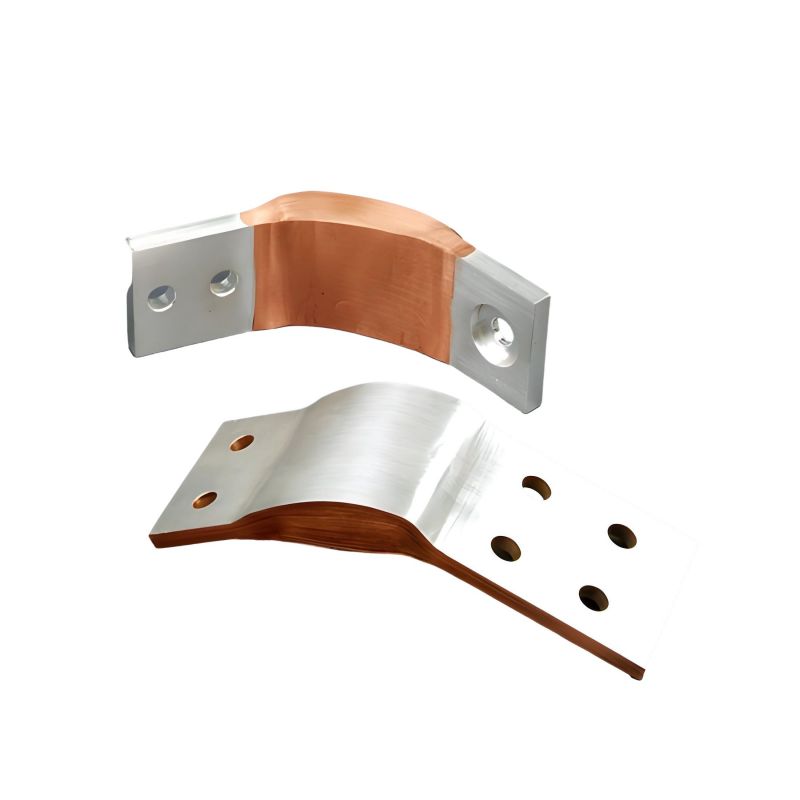
New Energy Vehicle Copper Foil Flexible Connectors are conductive components made from multiple layers of high-purity copper foil laminated or welded together. These connectors are specifically designed to transmit electrical current while maintaining flexibility and resistance to vibration.
Unlike traditional rigid conductive bars, flexible copper foil connectors can bend, twist, and absorb movement caused by thermal expansion or mechanical vibration. This characteristic makes them especially suitable for electric vehicles operating under dynamic conditions.
Typical connector structures include:
- Bare copper foil laminated connectors
- Insulated flexible connectors
- Tin-plated copper foil connectors
- Braided copper flexible connectors
- Customized punched or welded terminal designs
These products are widely used in:
- EV battery packs
- Power distribution units
- Inverters
- Charging systems
- Motor controllers
- Energy storage systems
2. Why Are Flexible Connectors Important in EVs?
Electric vehicles require highly reliable electrical systems capable of handling high currents and fluctuating temperatures. Traditional rigid connectors often experience stress cracking or loosening due to constant vibration and thermal cycling.
New Energy Vehicle Copper Foil Flexible Connectors solve these problems by offering superior flexibility and conductivity.
Major Functions
Current Transmission
Flexible connectors ensure stable transmission of high electrical currents between battery modules and power systems.
Vibration Absorption
They reduce stress caused by road vibration, motor movement, and thermal expansion.
Heat Dissipation
Copper foil structures provide excellent thermal conductivity, helping prevent overheating.
Improved Safety
Reliable conductivity reduces the risk of electrical failure or short circuits.
3. Main Structures and Materials
The quality of a flexible connector largely depends on its materials and manufacturing process.
| Component | Common Material | Function |
|---|---|---|
| Conductive Layer | T2 Copper Foil | High conductivity |
| Surface Coating | Tin/Nickel/Silver | Corrosion resistance |
| Insulation Layer | PVC/Heat Shrink Tube | Electrical protection |
| Terminal Ends | Copper Blocks | Stable connection |
Common Manufacturing Methods
- Diffusion welding
- Molecular diffusion bonding
- Brazing
- Riveting
- Laser welding
At Xiamen Lijingda Hardware Products Co., Ltd., advanced production equipment and strict quality control systems ensure high conductivity, durability, and precision manufacturing.
4. Key Advantages of Copper Foil Flexible Connectors
Excellent Electrical Conductivity
Copper has one of the highest electrical conductivity rates among industrial metals, minimizing energy loss during transmission.
Superior Flexibility
The layered foil structure allows connectors to bend freely without damaging the conductive path.
Long Service Life
Flexible connectors withstand repeated vibration and thermal cycling better than rigid alternatives.
Lightweight Design
Compared with traditional cable systems, copper foil connectors reduce overall vehicle weight.
Space Saving
Thin laminated structures are ideal for compact EV battery systems.
Corrosion Resistance
Tin-plated or nickel-plated surfaces improve resistance to moisture and oxidation.
5. Applications in New Energy Vehicles
The growing EV industry creates extensive demand for flexible conductive solutions.
Battery Pack Connections
Battery modules require stable interconnections capable of handling high current loads.
Motor Controllers
Flexible connectors improve power transmission reliability in motor drive systems.
Charging Systems
Fast charging systems generate high temperatures and electrical stress, making flexible copper connectors essential.
Power Distribution Units
They help distribute electrical energy efficiently throughout the vehicle.
Energy Storage Systems
Flexible copper foil connectors are also widely used in solar energy storage and industrial battery systems.
6. Copper Foil Connectors vs Traditional Rigid Busbars
Choosing the right conductive solution significantly impacts vehicle performance.
| Feature | Copper Foil Flexible Connector | Traditional Rigid Busbar |
|---|---|---|
| Flexibility | Excellent | Poor |
| Vibration Resistance | High | Medium |
| Thermal Expansion Compensation | Excellent | Limited |
| Installation Convenience | Easy | Moderate |
| Space Utilization | Efficient | Less Flexible |
| Service Life | Longer | Shorter |
The comparison clearly shows why New Energy Vehicle Copper Foil Flexible Connectors are becoming the preferred solution in modern EV systems.
7. How to Choose the Right Flexible Connector
Selecting the correct connector requires consideration of several technical factors.
Current Capacity
Choose connectors based on the system's maximum operating current.
Temperature Environment
High-temperature applications may require special insulation materials.
Flexibility Requirements
Different installation spaces require varying bending capabilities.
Surface Treatment
Tin plating is commonly used for corrosion resistance and improved solderability.
Connector Dimensions
Customized sizes ensure compatibility with battery systems and electrical modules.
Professional manufacturers like Xiamen Lijingda Hardware Products Co., Ltd. provide customized engineering solutions according to customer requirements.
8. Manufacturing Process and Quality Standards
High-quality flexible connectors require precise production technology.
Key Production Processes
- Copper foil cutting
- Layer stacking
- Welding or diffusion bonding
- Surface treatment
- Insulation processing
- Testing and inspection
Quality Testing
Reliable manufacturers perform strict testing, including:
- Conductivity testing
- Salt spray testing
- Tensile strength testing
- Thermal cycling testing
- Vibration resistance testing
These tests ensure product reliability under demanding EV operating conditions.
9. Future Development Trends
As EV technology advances, connector technology is also evolving.
Higher Current Capacity
Ultra-fast charging systems require connectors capable of carrying larger currents safely.
Lightweight Materials
Manufacturers are focusing on lighter and thinner conductive structures.
Smart Manufacturing
Automation and precision welding technologies improve product consistency.
Enhanced Safety Standards
Future connectors must meet stricter automotive safety and environmental regulations.
The increasing global adoption of electric vehicles will continue driving demand for advanced New Energy Vehicle Copper Foil Flexible Connectors.
FAQ
What are New Energy Vehicle Copper Foil Flexible Connectors used for?
They are mainly used for electrical current transmission in EV battery packs, charging systems, inverters, and power distribution units.
Why is copper preferred for flexible connectors?
Copper provides excellent electrical conductivity, thermal performance, and mechanical durability.
Are flexible connectors better than rigid busbars?
In many EV applications, flexible connectors offer superior vibration resistance, flexibility, and thermal expansion compensation.
Can flexible connectors be customized?
Yes. Manufacturers can customize dimensions, terminal structures, insulation materials, and current capacities according to application requirements.
How long do copper foil flexible connectors last?
High-quality connectors can operate reliably for many years under proper operating conditions.
Conclusion
The rapid growth of the electric vehicle industry has significantly increased the demand for reliable and efficient conductive connection solutions. New Energy Vehicle Copper Foil Flexible Connectors offer exceptional conductivity, flexibility, durability, and thermal performance, making them an essential component in modern EV systems.
As a professional manufacturer, Xiamen Lijingda Hardware Products Co., Ltd. is committed to providing high-quality customized flexible connector solutions for global customers. With advanced manufacturing technology, strict quality control, and strong engineering capabilities, the company continues to support the development of safer and more efficient new energy vehicle systems.
If you are looking for reliable New Energy Vehicle Copper Foil Flexible Connectors for your projects, please contact us today to get professional support and customized solutions for your business needs.