

What Materials Improve Wear Resistance in Modern Planetary Gearboxes?
2025-12-22
Wear resistance has become one of the most critical performance indicators in transmission systems used across automation, robotics, packaging, and heavy-duty industrial equipment. In modern drive solutions, the durability of internal components directly affects service life, efficiency, and maintenance cost. From our engineering perspective, material selection is no longer a secondary consideration but a core design decision. In our factory, long-term testing and field feedback show that the wear behavior of a planetary gearbox depends largely on the interaction between base materials, surface treatments, and operating conditions.
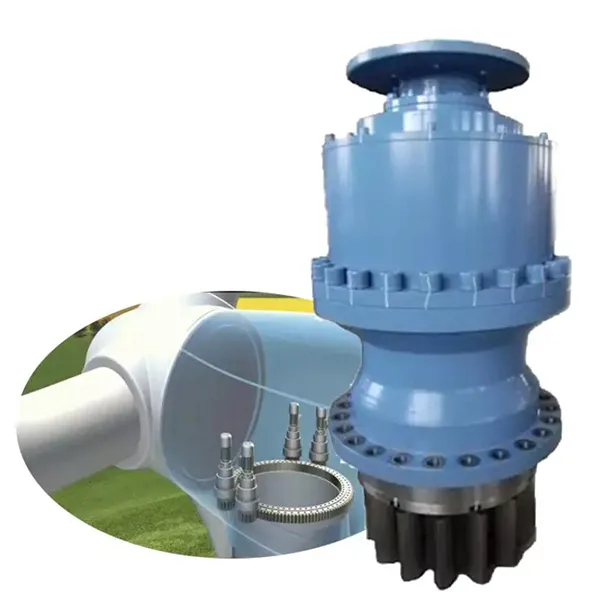
Why Does Material Selection Matter for Gear and Carrier Wear?
Material choice defines how gears respond to continuous meshing, shock loads, and variable torque. Traditional carbon steels are no longer sufficient for high-load applications that demand compact size and long service intervals. Raydafon Technology Group Co., Limited, has invested heavily in material optimization to meet the expectations of industrial users. Our design teams focus on balancing hardness and toughness so that wear resistance improves without increasing brittleness.
In real applications, a planetary gearbox operates under cyclic stress where micro-pitting and surface fatigue gradually develop. Our factory evaluates alloy composition and heat treatment depth to control surface hardness while preserving a ductile core. This approach allows the gearbox to maintain stable performance even in start-stop environments common in automated production lines.
Which Steel Alloys Are Commonly Used to Improve Wear Resistance?
Modern gear systems rely on advanced alloy steels that provide superior resistance to abrasion and fatigue. Chromium molybdenum steels and nickel alloy steels are widely used due to their excellent hardenability and load-bearing capacity. From our production experience, these materials perform consistently when combined with precise machining and controlled heat treatment.
The table below outlines typical material options and their performance characteristics used in wear-resistant gear systems.
| Material Type | Hardness Range | Wear Resistance Level | Typical Application |
| Chromium molybdenum steel | 58 to 62 HRC | High | Industrial automation drives |
| Nickel alloy steel | 56 to 60 HRC | Very high | High-torque precision systems |
| Carburized alloy steel | 60 to 63 HRC | Excellent | Compact high-load transmissions |
Our factory applies these materials selectively based on torque demand, speed ratio, and expected duty cycle. For each planetary gearbox configuration, material choice is aligned with real operating stress rather than theoretical limits.
How Do Heat Treatment Processes Reduce Long-Term Wear?
Heat treatment plays a decisive role in improving wear resistance. Processes such as carburizing, nitriding, and induction hardening enhance surface hardness while maintaining a resilient core. From our perspective, improper heat treatment can negate the benefits of premium materials. That is why our production process includes strict temperature control and post-treatment inspection.
Raydafon integrates multi-stage heat treatment to ensure uniform hardness across gear teeth and carriers. Our internal testing shows that properly treated components exhibit significantly lower wear rates during extended load cycles. In our factory, every planetary gearbox undergoes hardness verification to confirm consistent performance before delivery.
What Role Do Bearings and Planet Carriers Play in Wear Resistance?
While gears often receive the most attention, bearings and planet carriers are equally important in controlling wear. Needle bearings and precision-ground carriers reduce friction and distribute loads evenly. Our engineering team focuses on matching bearing materials with gear materials to minimize differential wear.
The following table summarizes key parameters of wear-resistant bearing and carrier components used in modern designs.
| Component | Material | Surface Treatment | Performance Benefit |
| Planet carrier | Alloy steel | Quenched and tempered | High load stability |
| Needle bearing | Bearing steel | Precision polished | Reduced friction |
| Output shaft | Hardened alloy steel | Induction hardened | Extended wear life |
In our factory, these components are tested as an integrated system rather than individual parts. This system-level approach allows our Planetary Gearbox solutions to maintain alignment and reduce internal wear over time.
How Do Surface Finishing and Lubrication Influence Wear?
Surface finishing directly affects friction and initial wear-in behavior. Fine grinding and controlled surface roughness reduce contact stress during early operation. From our experience, poor surface finish accelerates micro-abrasion even when high-grade materials are used.
Lubrication also plays a key role. Our engineers specify lubricant compatibility based on material selection and operating temperature. In our factory, test units are run under simulated load to observe oil film stability and wear patterns. This ensures that the planetary gearbox performs reliably throughout its service life.
What Materials Improve Wear Resistance in Modern Planetary Gearboxes? FAQ
Q1: Why are alloy steels preferred over standard carbon steels?
Alloy steels offer improved hardenability and fatigue resistance, allowing components to withstand higher loads and longer operating cycles without excessive wear.
Q2: How does heat treatment affect gear longevity?
Heat treatment increases surface hardness while preserving core toughness, which reduces surface fatigue and delays the onset of pitting and abrasive wear.
Q3: Do bearings significantly impact overall wear resistance?
Yes, high-quality bearings reduce friction and distribute loads evenly, preventing localized wear and extending the service life of the entire gearbox system.
Conclusion
Wear resistance in modern transmission systems depends on a carefully engineered combination of advanced materials, precise heat treatment, and system-level integration. By selecting suitable alloys, optimizing surface treatments, and controlling lubrication behavior, long-term durability can be significantly improved. Raydafon Technology Group Co.,Limited continues to refine material strategies to meet evolving industrial demands. If you are evaluating transmission solutions or planning an upgrade, contact our technical team today to discuss how our Planetary Gearbox designs can support your application with reliable wear performance.