

What Training Is Required for Proper Handling of Flange Insulating Components?
2026-03-10
In modern pipeline systems used across the oil and gas, petrochemical, water treatment, and power generation industries, insulating components installed within flange assemblies play a critical role in electrical isolation and corrosion control. Improper handling during transportation, installation, or storage can compromise their insulating performance and lead to premature pipeline failure.
Many operators underestimate the technical requirements associated with these components. However, safe installation and maintenance depend heavily on technician knowledge of material properties, torque application, surface preparation, and contamination control. Our engineering team frequently encounters systems where poor installation practices lead to insulation breakdown or leakage.
At Ningbo Kaxite Sealing Materials Co., Ltd., we emphasize professional training programs that combine theoretical instruction with practical installation procedures. Our experience supplying insulation kits to global pipeline projects allows us to develop guidance aligned with North American and European field practices. Through our factory training guidelines, technicians learn how to protect the performance of Flange Insulating Gasket Sets during every stage of pipeline assembly.
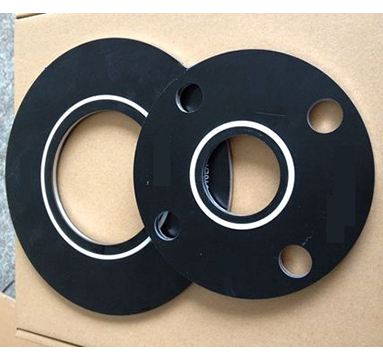
What Core Skills Should Technicians Learn Before Installing Insulating Components?
Proper training focuses on a combination of mechanical, material, and safety knowledge. Our factory training materials highlight that installers must understand not only flange sealing procedures but also the electrical isolation function of insulating kits. When technicians recognize how these components prevent galvanic corrosion between dissimilar metals, they handle them with greater care during installation.
Field personnel should be trained to inspect flange faces, ensure proper alignment, and confirm that insulating sleeves and washers remain undamaged. These steps prevent electrical bridging across bolts and ensure consistent insulation performance across the joint.
The following table summarizes typical parameters and material specifications commonly used in industrial insulation kits supplied by Ningbo Kaxite Sealing Materials Co., Ltd. These parameters help technicians understand the performance characteristics of the components they are handling.
| Component | Common Material | Temperature Range | Typical Application |
| Insulating gasket | G10 epoxy laminate or phenolic laminate | -50°C to 150°C | Pipeline flange isolation |
| Insulating sleeve | Mylar or glass reinforced epoxy | -40°C to 120°C | Bolt electrical isolation |
| Insulating washer | Phenolic or epoxy laminate | -50°C to 150°C | Bolt head and nut insulation |
| Steel backing washer | Carbon steel or stainless steel | Up to 300°C | Load distribution |
Understanding these parameters enables technicians to properly manage Flange Insulating Gasket Sets in demanding industrial environments. Our training programs emphasize correct storage conditions, contamination avoidance, and controlled bolt tightening procedures to ensure consistent sealing performance.
How Should Workers Handle and Store Insulating Kits on Industrial Job Sites?
Correct storage and handling procedures represent a key element of professional training. Insulating components are precision parts that must be protected from mechanical damage, moisture, and chemical contamination before installation.
During transportation, packaging must prevent bending or compression of gaskets. Technicians trained through our factory guidelines always store kits in dry environments with stable temperatures. Exposure to sunlight or excessive humidity can degrade certain insulating materials and reduce their dielectric strength.
Field supervisors should also ensure that installation teams avoid placing insulating washers or sleeves directly on dirty surfaces. Even small metallic particles can create conductive bridges that compromise electrical isolation. For this reason, Flange Insulating Gasket Sets should remain sealed in protective packaging until the moment of installation.
Ningbo Kaxite Sealing Materials Co., Ltd. often supports contractors by providing installation manuals and technical assistance that explain how to protect these components during transportation, storage, and assembly. Our factory continues to work closely with project engineers to ensure correct handling procedures are followed on site.
Which Installation Procedures Ensure Reliable Electrical Isolation in Pipeline Systems?
Training programs must also cover precise installation techniques that maintain insulation integrity. A critical step involves verifying that the flange faces are clean, smooth, and free from corrosion or debris before positioning the gasket.
Technicians must insert insulating sleeves through each bolt hole to prevent metal to metal contact between bolts and flange surfaces. Insulating washers should be installed on both sides of the flange to maintain electrical separation. When these procedures are correctly followed, Flange Insulating Gasket Sets provide reliable protection against stray current corrosion.
Torque application is another essential part of training. Uneven tightening can damage insulating materials or create uneven sealing pressure. Our factory recommends following cross pattern tightening sequences and gradually increasing torque levels until the specified value is reached.
The following table outlines recommended installation practices used by experienced pipeline contractors working with insulation kits supplied by Kaxite Sealing.
| Installation Step | Recommended Practice | Purpose |
| Flange inspection | Check surface flatness and cleanliness | Prevent sealing damage |
| Sleeve installation | Insert sleeves through all bolt holes | Ensure bolt insulation |
| Washer placement | Install insulating washers on both sides | Maintain electrical isolation |
| Bolt tightening | Use cross pattern torque sequence | Ensure uniform gasket compression |
| Final inspection | Verify insulation continuity | Confirm isolation performance |
When installation crews follow these procedures and understand the function of each component, Flange Insulating Gasket Sets perform reliably even in demanding pipeline environments such as offshore platforms and long distance transmission lines.
How Does Technical Training Reduce Pipeline Corrosion Risks and Maintenance Costs?
Improper installation of insulating components can lead to serious corrosion problems caused by stray electrical currents or galvanic reactions between different metals. When technicians are properly trained, they understand how each element contributes to preventing these risks.
Our engineering support teams often observe that well trained installation crews significantly reduce maintenance incidents. Pipelines installed with correct procedures experience fewer leakage issues and longer service life. For this reason, many international engineering companies request installation guidance from Ningbo Kaxite Sealing Materials Co., Ltd. before beginning large infrastructure projects.
Our factory continues to refine training materials based on field experience and feedback from contractors around the world. By combining product quality with professional installation guidance, we help ensure that Flange Insulating Gasket Sets deliver long term protection for critical pipeline systems.
FAQ: What Training Is Required for Proper Handling of Flange Insulating Components?
Q1: What training topics should technicians study before installing insulating flange kits?
Technicians should learn about flange alignment, bolt torque procedures, gasket material properties, and electrical isolation principles. Training should also include contamination prevention, inspection of insulating sleeves and washers, and verification of insulation resistance after installation. These skills ensure that insulating components perform effectively in preventing galvanic corrosion within pipeline systems.
Q2: Why is improper handling of insulating components considered a serious operational risk?
Improper handling can damage insulating materials, create conductive bridges between metal components, and compromise electrical isolation. When isolation fails, stray electrical currents may flow through the pipeline system and accelerate corrosion. Training helps technicians understand these risks and apply correct installation procedures to prevent long term structural damage.
Q3: How can pipeline operators ensure consistent installation quality across large projects?
Operators typically implement standardized installation training, detailed technical manuals, and inspection checklists. These procedures ensure that all technicians follow identical handling and assembly methods. Collaboration with experienced manufacturers such as Ningbo Kaxite Sealing Materials Co., Ltd. also helps ensure that installation teams understand the correct use of insulating kits in demanding industrial environments.
Proper training plays a decisive role in ensuring the long-term performance of pipeline insulation systems. From material handling and storage to precise installation techniques, well-trained technicians protect the electrical isolation that prevents corrosion and extends pipeline service life. Ningbo Kaxite Sealing Materials Co., Ltd. continues to support global energy and industrial projects by providing reliable insulating solutions and professional technical guidance. If you are seeking high quality insulation kits or need technical support for your pipeline system, contact our team today to request specifications, installation guidance, or a quotation tailored to your project requirements.