

Why Expanded PTFE Sheet and Tape Demand Is Growing in 2026 Industrial Markets?
2026-04-22
Why Are More Industrial Buyers Switching to Advanced Sealing Materials?
Across processing plants, utilities, food factories, marine yards, and OEM assembly lines, maintenance teams are under pressure to reduce leakage events, cut shutdown hours, and improve compliance. In 2026, buyers are moving away from conventional gasket materials that struggle with chemical exposure, flange irregularities, and frequent retightening. This shift is one of the main reasons demand for Expanded PTFE Sheet and Tape continues to rise.
Unlike rigid compressed sheets, this material offers excellent conformability and low creep under correct loading conditions. It can adapt to rough or worn flange faces, which is valuable in older facilities where piping systems have seen years of service. Our customers often report faster turnaround during maintenance windows because installation is straightforward and trimming can be done on site.
Ningbo Kaxite Sealing Materials Co., Ltd. works with distributors, EPC contractors, and end users seeking dependable sealing solutions for modern plants. Our factory supports standard rolls, die-cut gaskets, and custom dimensions for practical field use.
How Does Expanded PTFE Sheet and Tape Improve Real Plant Performance?
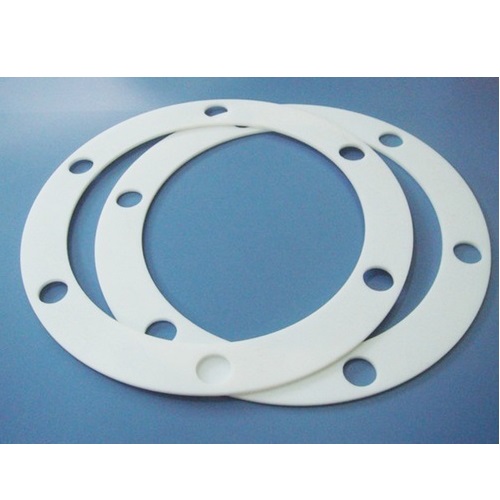
The sealing benefit comes from the expanded microstructure of PTFE. This creates a soft yet durable matrix that fills surface imperfections more effectively than many dense sheet materials. As a result, Expanded PTFE Sheet and Tape performs well on glass-lined steel, stainless flanges, FRP joints, and mixed-material assemblies where compression must be controlled carefully.
Another advantage is chemical resistance. In sectors handling caustics, solvents, acids, or clean water, operators need a material that remains stable across varying media. Our service team regularly assists plants that need one versatile sealing option across multiple process lines. That reduces inventory complexity and simplifies maintenance planning.
Thermal stability is also important. During start-stop cycles, steam cleaning, or temperature swings, the gasket must hold integrity. Our factory focuses on consistent density and thickness control so users receive predictable sealing behavior batch after batch.
| Property | Typical Value |
| Material | 100 percent expanded PTFE |
| Density | 0.7 to 1.0 g/cm3 |
| Temperature Range | Minus 240 C to 260 C |
| Pressure Resistance | Depends on flange design and loading |
| Thickness | 1.5 mm to 10 mm sheet |
| Tape Width | 3 mm to 100 mm |
Which 2026 Industries Are Driving the Fastest Demand Growth?
Chemical processing remains a major driver because operators prioritize emission control and gasket reliability. Water treatment plants are also increasing purchases due to corrosion issues in aging systems. In food and beverage production, clean service sealing materials with low contamination risk are preferred for pumps, valves, and vessel covers.
Battery manufacturing, electronics plants, and semiconductor support systems are additional growth areas. These sectors often require clean sealing materials that resist aggressive cleaning chemicals. Expanded PTFE Sheet and Tape is frequently selected when process consistency matters more than the lowest upfront cost.
Our customers in ship repair and marine engineering also request this material for piping repairs during dry dock schedules. Ningbo Kaxite Sealing Materials Co., Ltd. has seen stronger repeat orders from buyers needing mixed-size stock for maintenance stores.
| Industry | Common Use |
| Chemical Plant | Pump flanges, valve covers, reactors |
| Water Treatment | Pipe joints, dosing systems |
| Food Processing | Tank covers, sanitary equipment support points |
| Marine Repair | Utility piping and service flanges |
| Power Generation | Auxiliary lines and maintenance spares |
What Should Buyers Check Before Ordering for Long Service Life?
Material selection should always begin with operating temperature, pressure class, media compatibility, and flange condition. Even premium gasket materials can fail when bolt load is uneven or surfaces are damaged. Our technical advice is to inspect flange flatness, clean faces thoroughly, and apply proper torque sequence during installation.
Thickness choice matters as well. Thin material may work well on precision-machined flanges, while rougher surfaces often benefit from thicker grades. Expanded PTFE Sheet and Tape is popular because buyers can choose sheet or tape depending on flange geometry and maintenance habits.
Storage is another factor many teams overlook. Keep rolls flat, dry, and away from contamination. Our factory packs products for export warehousing so distributors can hold stock without unnecessary deformation.
How Can FAQ Answers Help Engineers and Buyers Decide Faster?
Why is expanded PTFE preferred over traditional gasket sheet in many plants?
It offers better conformability, broad chemical resistance, and easier sealing on imperfect flanges. Many users choose it to reduce leakage risk and simplify material selection across several services.
Can Expanded PTFE Sheet and Tape be used for old pipelines with worn flanges?
Yes, in many cases it performs well because the material compresses into surface marks and minor irregularities. Final suitability depends on pressure, temperature, and flange integrity.
How do buyers choose between sheet form and tape form?
Sheet is often selected for standard gasket cutting and repeat dimensions. Tape is practical for large-diameter flanges, irregular covers, and on-site emergency maintenance where quick fitting is needed.
Why Does Reliable Supply Matter More in 2026 Procurement Planning?
Industrial buyers now evaluate total operating cost rather than unit price alone. Late deliveries, inconsistent thickness, and sealing failures can cost far more than material savings. Kaxite supports customers with stable production schedules, responsive communication, and export-ready packing for routine purchasing programs.
If your plant is reviewing gasket performance, reducing fugitive emissions, or consolidating sealing inventory, contact our team today. Our factory can recommend the right grade, prepare samples, and support your next order with dependable service and technical guidance.