

Reliable electrical connections are essential for modern electrical systems, from electric vehicles and solar power installations to industrial control cabinets and energy storage equipment. A poor wire connection may lead to increased resistance, overheating, oxidation, and unexpected system failures. Choosing the right connector is therefore important for long-term electrical performance. A Tin Plated Copper Butt Splice provides an effective solution by combining the excellent conductivity of copper with the protective properties of tin plating. Designed for secure wire-to-wire connections, it helps improve connection stability, installation efficiency, and service reliability in demanding applications.
What Makes a Tin Plated Copper Butt Splice Different?
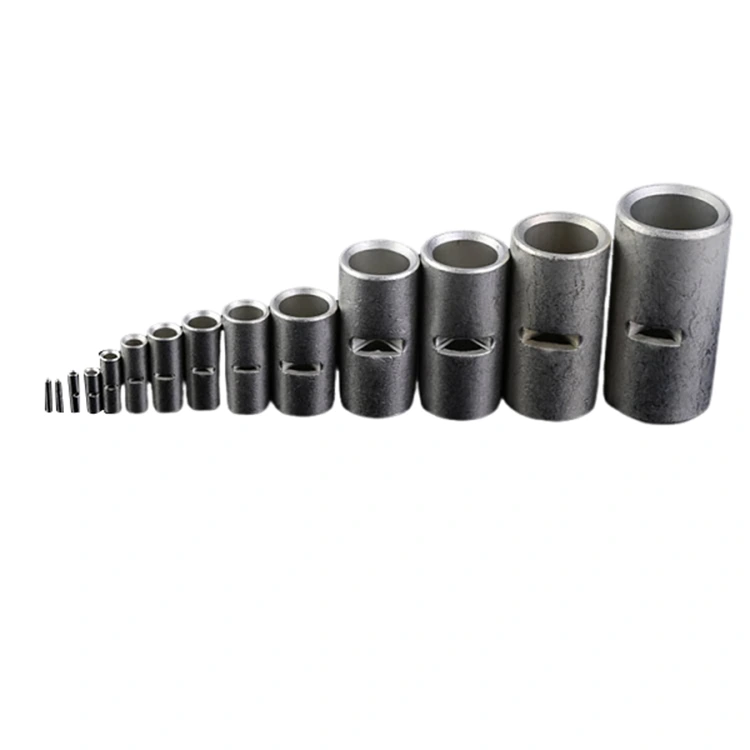
A Tin Plated Copper Butt Splice is a tubular electrical connector designed to join two wires end to end through crimping. Its copper base provides an efficient conductive path, while the tin-plated surface helps reduce oxidation and protect the metal from environmental exposure.
Compared with untreated copper connectors, tin-plated versions offer additional surface protection, making them suitable for electrical installations where consistent connection quality is important.
Key Features and Practical Benefits
- High-Purity Copper Construction: Made from oxygen-free copper (OFC) with a copper content of at least 99.95%, providing excellent electrical conductivity and suitable mechanical properties for crimping.
- Protective Tin Plating: An electroplated tin layer of at least 2.5 μm helps protect the copper surface against oxidation.
- Double-Chamfered Ends: The carefully designed openings facilitate wire insertion and reduce interference with conductor strands during assembly.
- Controlled Annealing: Vacuum annealing helps achieve consistent material hardness, supporting predictable deformation during the crimping process.
- Precision Manufacturing: Dimensional inspection and CCD visual inspection help maintain product consistency and identify manufacturing defects.
How Does It Improve Electrical Connection Performance?
The performance of a wire connector depends on more than its material. Its structure, surface treatment, and manufacturing precision all influence the final connection.
During installation, two compatible wire ends are inserted into opposite sides of the splice. A suitable crimping tool compresses the connector barrel around the conductors, creating a secure mechanical and electrical connection.
A properly selected and installed Tin Plated Copper Butt Splice can provide several practical benefits:
- Stable electrical continuity between connected conductors.
- Reduced exposure of copper surfaces to oxidation.
- Reliable mechanical retention when correctly crimped.
- More organized wiring and easier electrical assembly.
- Consistent connection quality for industrial and automotive applications.
Where Are Tin Plated Copper Butt Splices Commonly Used?
These connectors are suitable for various electrical systems that require dependable wire connections.
| Application | Typical Function |
|---|---|
| Electric Vehicles | Wire harness and electrical cable connections. |
| Solar Power Systems | Electrical connections in photovoltaic installations. |
| Energy Storage | Wire connections in battery and power management systems. |
| Industrial Control Cabinets | Reliable internal wiring and circuit connections. |
| VFD Equipment | Electrical wiring connections in variable frequency drive systems. |
Why Does Manufacturing Precision Matter?
Even high-quality raw materials cannot guarantee reliable connectors without consistent manufacturing processes. Copper purity, plating thickness, hardness, dimensional accuracy, and surface cleanliness all influence product performance.
At Wenzhou Zenko Metal Co., Ltd., manufacturing capabilities combine independent R&D, process innovation, precision quality control, and large-scale production. Established in 2017, the company specializes in precision metal tubing and comprehensive precision machining. Its production capabilities include vacuum annealing, ultrasonic cleaning, dimensional inspection, and CCD visual inspection.
For Tin Plated Copper Butt Splice production, specifications can be customized according to customer requirements, including dimensions, hardness, and coating thickness. The product features oxygen-free copper, a minimum 2.5 μm electro-tin coating, and a customizable hardness range of 70–85 HV.
How to Choose the Right Tin Plated Copper Butt Splice?
Before selecting a connector, buyers should evaluate several important factors:
- Wire Compatibility: Confirm the conductor size and applicable AWG range, with available specifications customizable from AWG 26 to 4/0.
- Material Quality: Check copper purity and electrical performance requirements.
- Plating Requirements: Verify tin coating thickness and surface quality.
- Crimping Compatibility: Ensure the connector dimensions match the selected crimping tools and installation process.
- Operating Environment: Consider temperature, humidity, vibration, and other application conditions.
Build More Reliable Connections with the Right Manufacturing Partner
A high-quality Tin Plated Copper Butt Splice is more than a simple metal connector. It is an important component that contributes to electrical safety, connection stability, and long-term system performance. From material selection and precision processing to surface treatment and quality inspection, every manufacturing detail matters.
With experience in precision metal processing and customized manufacturing, Wenzhou Zenko Metal Co., Ltd. is committed to providing dependable metal components for diverse industrial applications. Whether you need standard specifications or customized connector solutions, choosing a manufacturer with strong process control can make a meaningful difference.
Looking for a reliable Tin Plated Copper Butt Splice supplier? Contact us today to discuss your technical requirements, explore customization options, and find the right solution for your electrical connection projects.