

Why More Farmers Are Upgrading to High-Torque PTO Shafts for Tough Field Conditions?
2025-12-10
Across many farming regions, operators are rethinking the backbone components that transfer power from tractors to implements. One clear trend is the shift toward high torque designs that stay stable under unpredictable field loads. Our experience serving large farms has shown that modern fieldwork is tougher, with heavier implements, denser residue, and longer work cycles. A standard PTO Shaft often struggles to maintain smooth power delivery when torque spikes suddenly on rocky or uneven terrain.
Raydafon Technology Group Co., Limited has worked closely with agricultural users who need more reliable driveline stability in harsh field conditions. When our factory evaluates user needs, we see clear patterns driving the upgrade movement. High-torque designs reduce driveline stress, protect gearbox components, and maintain steady output even during high-resistance operations such as deep tillage. Many farmers upgrading now prioritize consistent torque transfer over simple rotational speed because the reliability gain directly affects productivity.
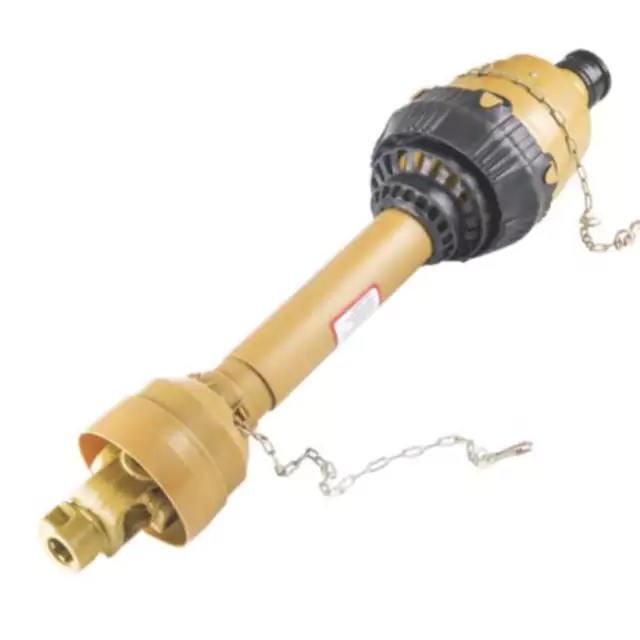
How Does High Torque Improve Field Performance During Heavy Draft Operations?
A key advantage of high torque capability is the ability to maintain continuous implement motion without stalling the driveline. Our engineers often see the same issue in traditional assemblies: a sudden torque spike can cause vibration, damage yokes, or trigger overload cutoffs. A high torque PTO Shaft minimizes these disruptions by using thicker wall tubes, reinforced universal joints, and precision-balanced internal components.
One reason farmers appreciate this upgrade is the ability to maintain proper soil engagement when operating long hours. Raydafon Technology Group Co., Limited manufactures multiple configurations that support stable torque distribution across different horsepower ranges. Our clients using rotary cutters, augers, or deep soil rippers report that reinforced driveline designs reduce downtime caused by excessive vibration. The result is smoother operation and extended service life, especially under demanding workloads.
What Key Engineering Specifications Influence Torque Stability in Harsh Working Conditions?
High torque performance depends on a combination of material strength, precision machining, and mechanical alignment. When our team designs assemblies for North American and European size categories, we focus on optimizing the geometry of universal joints and the heat treatment applied to key wear surfaces. A properly engineered PTO Shaft supports sudden load variations without bending or premature fatigue.
Below is a technical parameter summary used by our factory during production of reinforced driveline models. This table provides users with a clear overview of torque-related specifications that affect field performance.
| Component | Description | Engineering Impact |
| Tubing Wall Thickness | Increased steel density for torque endurance | Supports resistance to sudden impact loads |
| Universal Joint Grade | High carbon alloy materials | Reduces wear during high angle operation |
| Cross Bearing Hardness | Heat treated for durability | Maintains alignment under heavy stress |
| Spline Precision | Machined to reduce tolerance deviation | Improves smooth power transfer |
These specifications are directly connected to the stability farmers expect when upgrading to advanced driveline systems. Raydafon Technology Group Co., Limited has continued refining these features to match evolving farm requirements. The combination of material science and mechanical precision is what ensures dependable real-world torque performance.
Why Does Implement Size Affect the Need for a High Torque Driveline?
As implements grow wider and heavier, rotational resistance increases proportionally. Our service team frequently observes that operators pulling multi-gang tillage machines or heavy-duty shredders experience rolling resistance spikes that exceed the torque limits of older assemblies. When this occurs, the PTO Shaft becomes the first mechanical point of stress.
Upgrading to a high torque driveline allows the implement to receive steady power even when resistance fluctuates. This helps maintain consistent working depth and prevents uneven soil finishing. Our factory collaborates with implement manufacturers to match driveline specifications with the machine’s horsepower requirements. The stronger the implement demand, the more critical high torque capability becomes for stable operation.
What Field Conditions Benefit Most From High Torque Driveline Upgrades?
Rugged ground conditions present multiple challenges: soil compaction, hidden stones, heavy residue, and inconsistent traction. These scenarios cause rapid torque spikes that can exceed what traditional shafts are designed to handle. With a reinforced PTO Shaft, farmers gain protection against driveline twisting, sudden joint failure, or spline damage.
Raydafon Technology Group Co., Limited receives frequent feedback from users working in clay soil regions or hilly terrains where torque fluctuations are unavoidable. Our manufacturing team designs reinforced coupling areas to reduce bending stress during these unpredictable moments. When combined with strong material construction, high torque capability allows the operator to push through dense soil without risking unexpected mechanical stoppages.
Which Technical Metrics Help Farmers Compare High Torque Driveline Options?
When selecting a high torque model, the most important metrics include continuous torque rating, maximum impact torque, and joint angle tolerance. Our technicians categorize driveline assemblies by these values to help farmers make informed decisions based on their operational environment.
Below is a reference table summarizing typical metrics used by our factory when helping clients select an appropriate assembly.
| Metric | Typical Range | Meaning in Field Use |
| Continuous Torque Rating | 300 to 1500 Nm | Defines stable operating load level |
| Impact Torque Tolerance | Up to 4000 Nm | Handles sudden shock load events |
| Joint Angle Capability | Up to 25 degrees | Supports turning maneuvers |
| Spline Shaft Category | Euro and US sizes | Ensures compatibility with tractors |
These metrics have become essential evaluation tools for farmers deciding between standard and high torque models. The stronger the overall construction, the better the driveline performs under demanding workloads where torque stability is critical.
FAQ: Why More Farmers Are Upgrading to High-Torque PTO Shafts for Tough Field Conditions?
Q1: Why do heavy residue fields require a high torque driveline?
Heavy residue increases rolling resistance, which produces irregular torque spikes. A reinforced high torque model keeps power delivery stable, allowing the implement to maintain momentum without stress on the driveline.
Q2: How does high torque affect the lifespan of auxiliary drivetrain parts?
Stable torque output reduces shock loads on gearboxes and bearings. This prevents accelerated wear and ensures that internal components last longer, especially during repetitive heavy-duty operations.
Q3: Does a high torque design help maintain working speed in difficult terrain?
Yes. High torque capability prevents power drop during peak load conditions. This helps maintain implement speed and working depth even when ground resistance suddenly increases.
Conclusion
High torque driveline technology has become a critical upgrade for farmers operating in rugged agricultural environments. Reinforced assemblies improve power consistency, reduce component wear, and help operators maintain productivity throughout long workdays. The shift toward stronger driveline systems reflects the realities of modern agricultural machinery, where durability and reliability directly influence operational efficiency.
If you want dependable performance for challenging fieldwork, contact our team today to explore reinforced driveline solutions engineered for long-term durability. Our factory is ready to support your projects with customized designs built for heavy-duty agricultural applications.