

Why Selecting the Right Reagent Bottle Cap Is Critical for Chemical Storage?
2026-01-07
When storing chemicals, the material of a reagent bottle cap directly affects the stability and safety of the contents. At our company, we always prioritize using high-quality materials such as HDPE, PP, and PTFE for our reagent bottle accessories. Our factory ensures each cap meets rigorous chemical resistance standards, minimizing risks of contamination or leakage. Selecting a cap with the correct material for specific reagents is not optional; it is a requirement for laboratory safety. Using the wrong cap can lead to hazardous reactions, reduced shelf life, or compromised experimental outcomes. Our team continuously tests materials to ensure our products maintain consistent performance even under extreme conditions.
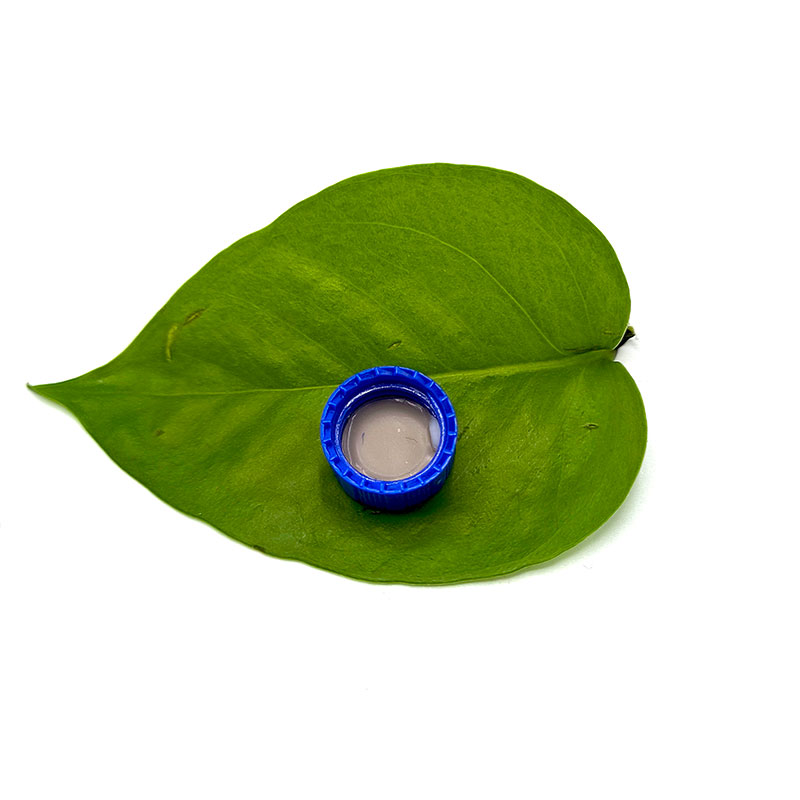
How Does Cap Design Influence Chemical Storage Efficiency?
Cap design is a crucial factor in maintaining chemical integrity. Our Reagent Bottle Accessories feature designs that include ribbed surfaces for secure handling, inner seals for airtight closure, and venting options for pressure-sensitive reagents. At our factory, we implement precision molding techniques that guarantee uniform threading, preventing leaks and ensuring easy usability. Our design process focuses on both ergonomics and chemical compatibility, ensuring that our customers can handle bottles safely during daily laboratory operations. Selecting the right cap ensures that reagents remain uncontaminated and storage efficiency is maximized, which is why proper design is an essential consideration for any laboratory.
What Are the Key Specifications You Should Consider for Reagent Bottle Caps?
Choosing the appropriate reagent bottle cap requires understanding detailed specifications. Our products from Cangzhou Kangbo Pharmaceutical Packaging Co., LTD. are designed with strict adherence to chemical industry standards. Here are the core specifications that guide our manufacturing process:
| Cap Material | HDPE, PP, PTFE |
| Inner Seal | PE, Silicone, Teflon |
| Thread Type | Standard, GL45, Narrow Mouth |
| Temperature Resistance | -40°C to 120°C |
| Chemical Compatibility | Acids, Bases, Organic Solvents |
| Closure Mechanism | Screw Cap, Snap Cap, Pressure Vent |
Our factory maintains strict quality control to ensure each cap meets these parameters. Our customers rely on our Reagent Bottle Accessories for critical laboratory applications where chemical integrity cannot be compromised.
Why Is Seal Integrity a Crucial Factor in Reagent Storage?
Seal integrity determines whether a reagent bottle can effectively prevent evaporation, contamination, and leakage. Our Reagent Bottle Accessories are equipped with precision-molded inner seals that create a tight barrier against external exposure. At our factory, we run rigorous leak tests under both high and low temperatures to verify the performance of each batch. Our team ensures that every product delivered maintains reliable seal integrity, which is why selecting the right cap is critical for chemical storage. A compromised seal can lead to dangerous chemical reactions, spoil experiments, and increase laboratory costs.
How Can Our Reagent Bottle Accessories Enhance Laboratory Safety?
Using our Reagent Bottle Accessories from Cangzhou Kangbo Pharmaceutical Packaging Co., LTD. enhances overall laboratory safety by providing reliable containment and chemical compatibility. Our caps are engineered to withstand harsh chemical environments and repeated use without losing their sealing performance. By using our products, laboratories can reduce the risk of spills, exposure to toxic substances, and costly contamination incidents. Our factory prioritizes safety and compliance, offering a wide selection of caps that meet global chemical storage standards.
Product Performance Comparison Table
| Feature | Standard Cap | Our Reagent Bottle Accessories |
| Chemical Resistance | Moderate | High |
| Temperature Range | -20°C to 80°C | -40°C to 120°C |
| Seal Integrity | Occasional Leaks | Consistent, Airtight |
| Usability | Basic | Ergonomic, Easy Handling |
| Compatibility | Limited Chemicals | Wide Range of Reagents |
FAQ: Why Selecting the Right Reagent Bottle Cap Is Critical for Chemical Storage?
Q1: What makes a cap compatible with specific reagents?
A1: Compatibility depends on the cap material and inner seal composition. Our Reagent Bottle Accessories use HDPE, PP, and PTFE combined with silicone or Teflon seals to resist acids, bases, and organic solvents, ensuring long-term stability of stored chemicals.
Q2: How often should laboratory caps be inspected or replaced?
A2: Regular inspection is essential to maintain seal integrity. Our factory recommends checking caps before each use, particularly for high-risk reagents. Replacement should occur immediately if any deformation, cracking, or leakage is detected to prevent contamination or accidents.
Q3: Can using the wrong cap affect experimental outcomes?
A3: Absolutely. Using an incompatible cap can cause evaporation, contamination, or chemical reactions. Our Reagent Bottle Accessories are specifically designed to maintain chemical stability, helping laboratories achieve accurate and reproducible results.
How Does Our Factory Ensure Consistent Quality for Reagent Bottle Accessories?
Our factory implements a multi-step quality assurance process, including raw material testing, precision molding, and leak testing for each batch. We use advanced inspection equipment to measure threading accuracy and seal performance. At Cangzhou Kangbo Pharmaceutical Packaging Co., LTD., we focus on delivering Reagent Bottle Accessories that meet both domestic and international laboratory standards. Our team continually updates production protocols based on customer feedback and industry advancements to maintain high reliability.
Conclusion
Selecting the right reagent bottle cap is not just a minor laboratory choice—it directly impacts chemical safety, storage efficiency, and experimental accuracy. By choosing our Reagent Bottle Accessories from Cangzhou Kangbo Pharmaceutical Packaging Co., LTD., laboratories gain the assurance of high-quality materials, precise design, and consistent performance. Our products are engineered to withstand harsh chemicals, maintain airtight seals, and simplify daily handling. Ensure your reagents remain safe and your experiments reliable by investing in the right caps today. Contact our team to explore our full range of Reagent Bottle Accessories and request a customized solution for your chemical storage needs.